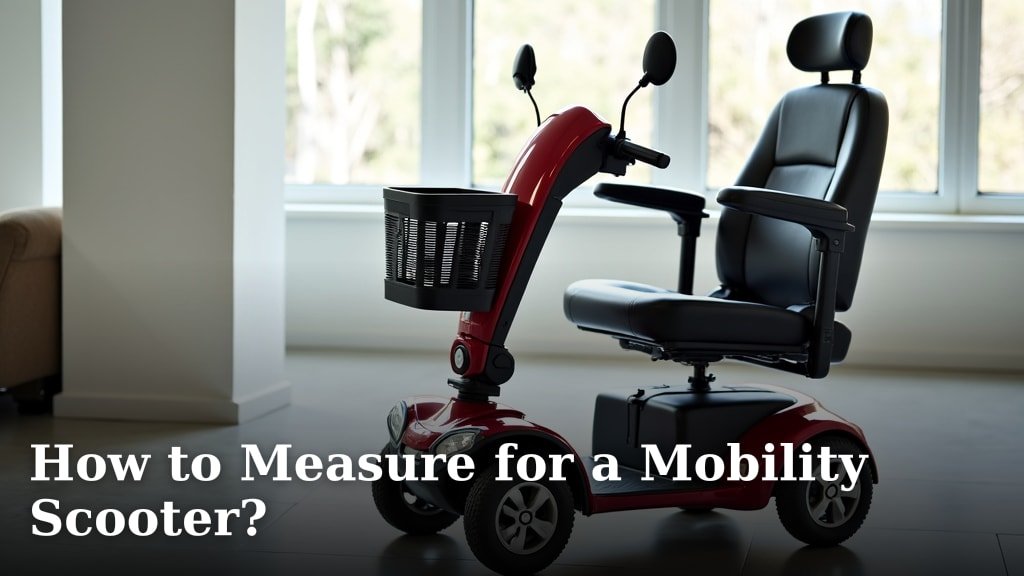
To measure for a mobility scooter, you need to consider your body size, where you’ll use the scooter, and how you’ll transport it. Start by measuring your height, weight, and the width of your hips to ensure a comfortable and safe fit. Then, measure doorways and ramps in your home to make sure the scooter can fit through them easily.
Choosing the right mobility scooter is a big decision for your comfort and independence. Getting the measurements right from the start helps you avoid costly mistakes. We found that taking the time to measure correctly means you’ll find a scooter that truly fits your lifestyle.
- Measure your body (height, weight, hip width).
- Check your home’s doorways and tight spaces.
- Think about where you’ll use the scooter most.
- Consider how you’ll transport it (car, public transit).
- Always compare your measurements with scooter specifications.
Ready to find your perfect fit? Let’s walk through exactly how to measure for a mobility scooter, step by step, so you can choose with confidence.
Measuring for Your Mobility Scooter: The Essential Steps
To measure for a mobility scooter, you must consider your personal dimensions, the spaces you’ll navigate, and how you plan to transport it. Getting these measurements right ensures both your safety and comfort.
Your Body: The Most Important Measurement
Your body measurements are the foundation of choosing the right scooter. Think of it like buying custom-fit clothing. If it doesn’t fit you, it won’t be comfortable or functional.
Understanding Your Weight and Height
First, know your accurate body weight. This is crucial because every scooter has a maximum weight capacity. Exceeding this limit can damage the scooter, void the warranty, and create a serious safety hazard. We found that most manufacturers list a clear weight limit (CDC).
Next, measure your full height while standing. This helps determine if the scooter’s tiller (steering column) will be at a comfortable reach and if your knees will have enough clearance. You don’t want to feel cramped or stretched out.
Measuring Your Hip and Thigh Widths
Sit comfortably on a firm, flat surface. Measure the widest part of your hips, from one side to the other. This gives you your seat width requirement. Then, measure the width of your thighs when seated. Compare these to the scooter’s seat dimensions.
You need enough room to be comfortable, but not so much that you slide around. A seat that’s too wide can make you feel unstable. Too narrow, and you’ll be uncomfortable on longer rides.
Leg Length and Arm Reach
Measure your leg length from your hip to your knee, and from your knee to the floor. These measurements help ensure your feet rest comfortably on the footplate and your knees clear the tiller. If your legs are too long, you might hit the tiller.
Also, sit with your back straight and extend your arm forward. Measure from your shoulder to your fingertips. This helps determine if you can comfortably reach the scooter’s controls without straining. Some scooters have adjustable tillers, which can be a big plus.
Your Environment: Navigating Your Spaces
Once you know your own measurements, it’s time to measure the places you’ll use your scooter. This includes your home, workplace, and anywhere else you frequent.
Doorways and Hallways
Grab a tape measure and measure the width of all doorways your scooter will need to pass through. Don’t forget bathrooms and bedrooms. Also, measure the width of any narrow hallways or tight turns. You need to ensure the scooter’s overall width is less than your narrowest doorway.
Consider the swing of doors as well. A scooter might fit through an open door, but if the door swings inward, it could create an awkward bottleneck. Many experts recommend adding a few inches for comfortable clearance (Rehabilitation Engineering and Assistive Technology Society of North America).
Ramps and Elevators
Do you have ramps leading into your home or within buildings you visit? Measure both their width and their incline. Scooters have limits on the steepness of ramps they can safely climb. A ramp that’s too steep can cause a scooter to tip or get stuck.
If you use elevators, measure the elevator door width and the interior depth. Some larger scooters might not fit. We found that checking these details beforehand saves a lot of frustration later.
Turning Radius and Obstacles
Think about the tightest turns you’ll need to make in your home. A scooter’s turning radius tells you how much space it needs to make a full circle. Small scooters, often called travel scooters, have a much tighter turning radius, perfect for indoor use. Larger scooters need more space.
Look for obstacles like furniture, rugs, or steps. Even small steps can be an issue for scooters with low ground clearance. It’s like trying to drive a car with a low bumper over a speed bump – you might scrape.
Your Lifestyle: Where and How You’ll Use It
Your daily routine and how you travel are key factors. Are you mostly indoors, or do you need something for outdoor adventures?
Indoor vs. Outdoor Use
If your primary use is indoors, a smaller, more maneuverable scooter with a tighter turning radius is ideal. If you plan to spend most of your time outdoors, you’ll need a scooter with better suspension, larger tires, and more ground clearance to handle uneven terrain.
Consider the distances you’ll travel. Outdoor scooters often have a longer battery range. We recommend thinking about your typical day: how far do you go? What surfaces do you encounter?
Transporting Your Scooter
How will you get your scooter from place to place? This is a really important question. Some scooters disassemble into lighter pieces, while others fold. Many require a vehicle lift.
If you have a car, measure your car’s trunk or cargo area. Will a disassembled scooter fit? If you need a lift, measure the height and width of your vehicle’s hitch receiver. A larger, heavier scooter might require a more robust vehicle lift system.
| Measurement Category | What to Measure | Why It Matters |
|---|---|---|
| Your Body | Weight, Height, Hip/Thigh Width, Leg Length, Arm Reach | Ensures comfort, safety, and proper fit for controls. |
| Your Home/Environment | Doorway/Hallway Width, Ramp Width/Incline, Elevator Dimensions, Turning Space | Guarantees the scooter can move freely and safely within your spaces. |
| Your Vehicle (if applicable) | Trunk/Cargo Area Dimensions, Hitch Receiver Type | Determines if the scooter can be transported easily or if a lift is needed. |
Bringing It All Together: Comparing and Deciding
You’ve gathered all your measurements. Now what? It’s time to compare them with scooter specifications. Every reputable manufacturer provides detailed dimensions for their models.
Checking Scooter Specifications
Look for specifications like overall length, overall width, overall height, turning radius, ground clearance, weight capacity, and seat dimensions. Pay close attention to the seat-to-deck height and the tiller height range.
Don’t just eyeball it. Hold your tape measure up to the dimensions listed. Imagine the scooter in your space. This visual comparison can prevent a lot of headaches later on.
Considering Adjustability
Many scooters offer adjustable features like seat height, armrest width, and tiller angle. These adjustments can make a “good fit” into a “perfect fit.” If you’re on the border of a size, adjustability can be your best friend.
Ask about these features when talking to a mobility specialist. An adjustable tiller, for example, can make a huge difference in long-term comfort for your arms and shoulders.
Your Measurement Checklist
Use this checklist as a quick reference while you measure. It covers the key points we’ve discussed:
- Your body weight and height.
- Your hip and thigh widths when seated.
- Your leg length (hip to knee, knee to floor).
- The width of your narrowest doorway.
- The turning space needed in your tightest indoor areas.
- The dimensions of your car’s trunk/cargo area if transporting.
Taking these steps ensures you’ll choose a mobility scooter that enhances your independence and comfort, rather than becoming another obstacle. It’s about empowering you to move freely in your world.
Conclusion
You now have a solid roadmap for measuring a mobility scooter. By carefully checking your body, your environment, and your transportation needs, you’re setting yourself up for success. Remember, accurate measurements lead to a comfortable and safe experience, truly enhancing your independence.
Don’t rush this process. Take your time with each measurement, and compare them thoroughly with scooter specifications. Ready to take the next step? Use your personalized measurements to confidently explore different scooter models and find the one that fits your life perfectly.
Frequently Asked Questions
What if I’m right between two scooter sizes?
If you find yourself between sizes, it’s often better to lean towards the slightly larger option, especially if it offers adjustability. Scooters with adjustable seats, tillers, or armrests can be fine-tuned for a more precise and comfortable fit.
Can I use my current wheelchair measurements for a mobility scooter?
While some measurements like hip width might be similar, mobility scooters have different seating positions and control layouts. It’s best to take fresh measurements specifically for a scooter to ensure proper leg clearance, arm reach to the tiller, and overall comfort.
How important is a scooter’s turning radius for home use?
A scooter’s turning radius is very important for navigating indoors. A smaller turning radius allows you to move freely in tight hallways, kitchens, and bathrooms. We found that travel scooters often excel in this area.
Should I measure with my typical outdoor clothing and shoes on?
Yes, absolutely. Always measure yourself as you would typically sit or stand while using the scooter. This includes wearing the shoes you usually wear, as they can affect your height and leg length measurements.
What’s the best way to double-check my measurements for accuracy?
For critical measurements like doorway widths or hip width, ask a friend or family member to help you. It’s easy to make small errors when measuring yourself. Double-checking ensures you have the most accurate numbers before making a purchase decision.