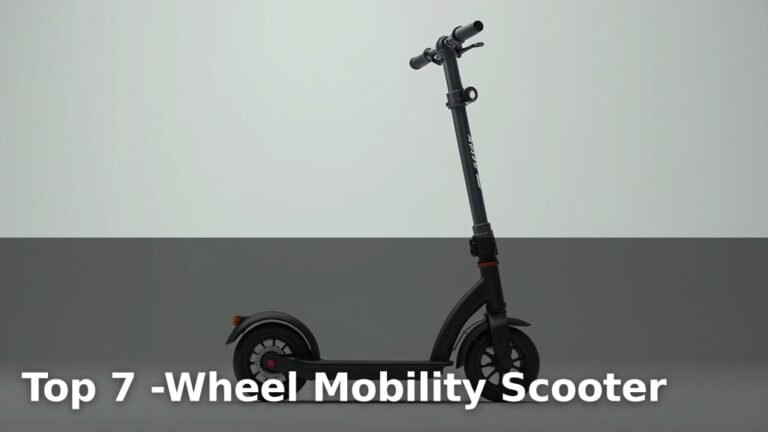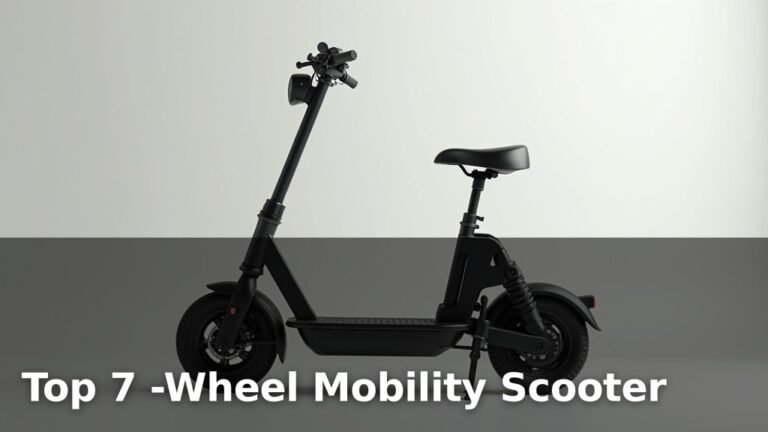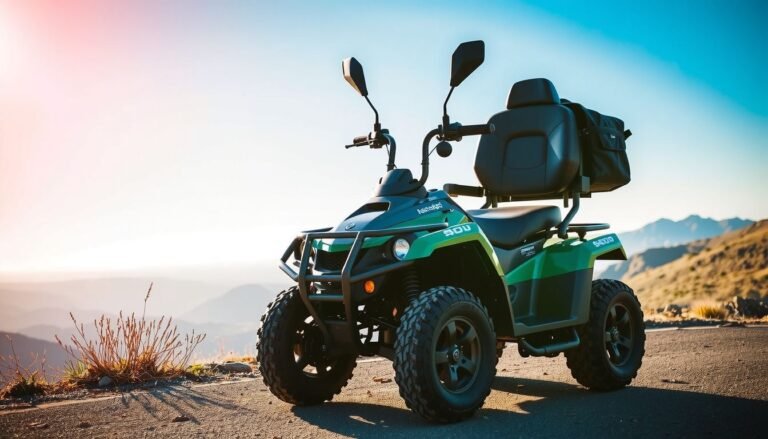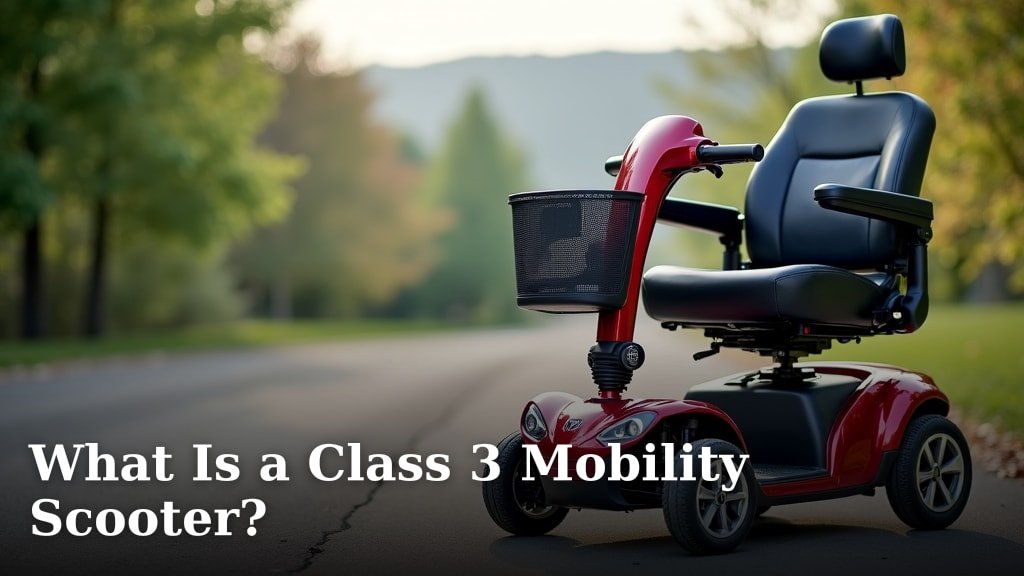
A Class 3 mobility scooter is a legal classification for a type of electric scooter designed for use on roads, sidewalks, and footpaths. These scooters are built for outdoor adventures and longer journeys. They offer a great balance of speed and stability.
You’ll find these scooters offer more power and features than smaller models. They are perfect if you need to travel further or navigate varied terrain. Think of them as your personal, compact roadster for getting around town or exploring parks comfortably.
- Understanding Class 3 mobility scooter features.
- Legal requirements for operating a Class 3 scooter.
- Key differences between Class 2 and Class 3 scooters.
- Tips for choosing the right Class 3 model for you.
Ready to discover if a Class 3 mobility scooter is your perfect travel companion? Let’s explore everything you need to know about these versatile vehicles.
Understanding What a Class 3 Scooter Is
A Class 3 mobility scooter is a powerful electric vehicle. It’s designed for longer trips and various environments. Think of it as a step up from smaller, indoor-focused models. These scooters give you more freedom to roam.
You can use them on both pavements and roads. This dual capability makes them incredibly versatile. We found that many users appreciate this flexibility for daily errands and leisure.
Key Features and Capabilities
What makes a Class 3 scooter stand out? It’s all about power, range, and comfort. These scooters are built for durability and extended use.
Speed and Power
Class 3 scooters are faster than their Class 2 counterparts. They can reach speeds up to 8 mph (around 12.8 km/h). This speed is great for keeping up with traffic on roads where allowed. On pavements, you’ll typically switch to a slower mode, usually 4 mph.
The motors are more robust, allowing them to tackle inclines with ease. You won’t feel bogged down going up a slight hill. This added power makes a big difference in your confidence.
Range and Battery Life
Expect a much longer range from a Class 3 scooter. Many models can travel 20 to 30 miles (32 to 48 km) on a single charge. Some even go further! This means fewer worries about running out of battery far from home.
The batteries are usually larger and more powerful. This contributes to both the extended range and the scooter’s overall performance. It’s like having a bigger fuel tank for your adventures.
Comfort and Suspension
Longer journeys demand more comfort. Class 3 scooters often come with advanced suspension systems. This helps absorb bumps and vibrations, giving you a smoother ride. Adjustable seats, armrests, and tillers are also common, letting you customize your driving position.
You might find features like pneumatic (air-filled) tires. These also contribute to a softer ride. They can handle uneven surfaces better than solid tires.
Legal Requirements for Class 3 Scooters
Since Class 3 scooters can go on public roads, they have specific legal guidelines. These rules are in place for your safety and the safety of others. It’s important to know them before you ride.
Road Use and Pavement Use
When on the road, you should follow traffic laws. This includes using appropriate lighting and signals. Many experts recommend riding on the left side of the road, facing traffic, if there’s no sidewalk (NIH).
On pavements, remember to stick to the lower speed limit. Be mindful of pedestrians. Your scooter is a vehicle, even on a sidewalk. Always give way to walkers.
Lighting and Indicators
For road use, Class 3 scooters must have working headlights and taillights. You’ll also need indicators (turn signals) for safe maneuvering. A horn is usually required too. These features ensure you are seen and can communicate your intentions to other road users.
Insurance and Registration
Unlike cars, you generally don’t need a driver’s license to operate a Class 3 scooter. You also typically don’t need to register it or have specific insurance by law in many places. However, we found that many users opt for personal liability insurance. This can protect you in case of an accident. It’s a smart idea for peace of mind.
Class 2 vs. Class 3 Mobility Scooters: What’s the Difference?
The main distinction comes down to where and how you plan to use your scooter. Both classes offer independence, but they cater to different needs.
| Feature | Class 2 Mobility Scooter | Class 3 Mobility Scooter |
|---|---|---|
| Maximum Speed | 4 mph (6.4 km/h) | 8 mph (12.8 km/h) |
| Usage Area | Pavements, footpaths, indoor use | Pavements, footpaths, public roads |
| Lights/Indicators | Often optional, less common | Required for road use (headlights, taillights, indicators) |
| Suspension | Basic or none | Often advanced, designed for comfort |
| Range | Shorter (e.g., 10-15 miles) | Longer (e.g., 20-30+ miles) |
| Size | Generally smaller, more portable | Larger, more robust, less portable |
Think of it this way: a Class 2 is your go-to for quick trips to the local shop or navigating a mall. A Class 3 is for when you want to visit a friend across town or explore a larger park.
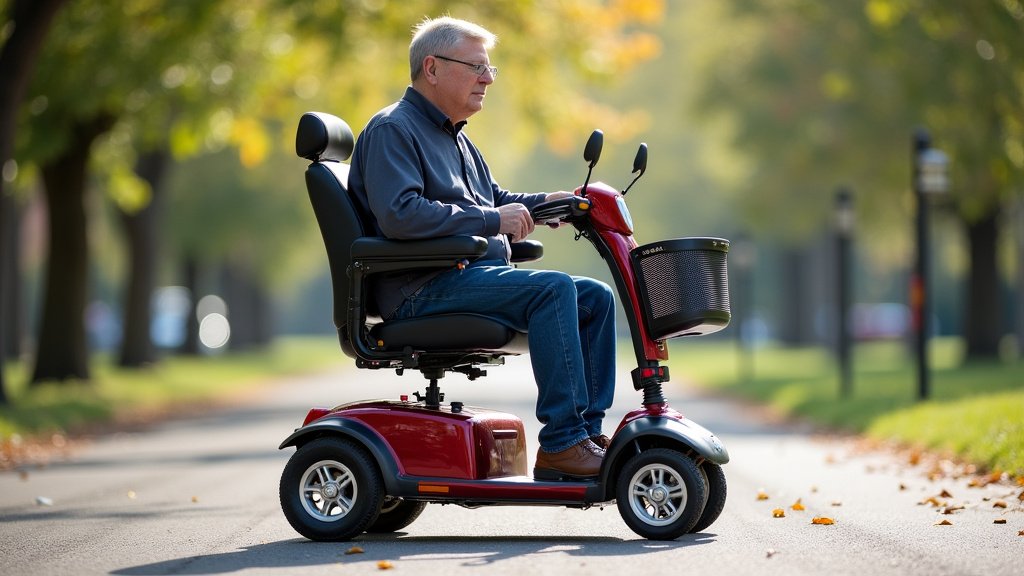
Who Benefits Most from a Class 3 Scooter?
These scooters aren’t for everyone, but they are a perfect fit for many. If your needs involve more extensive travel, a Class 3 could be your ideal match.
- People who need to travel longer distances regularly.
- Those who navigate varied terrain, like slight hills or uneven paths.
- Individuals who need to use roads as part of their journey.
- Anyone seeking enhanced comfort and stability for longer rides.
- Users who require a higher weight capacity.
If you find yourself nodding to several of these points, a Class 3 scooter is definitely worth considering.
Choosing the Right Class 3 Mobility Scooter
Ready to pick your perfect ride? There are a few things to keep in mind. Think about your daily routine and what features will make your life easier.
Consider Your Lifestyle
Do you live in a city with smooth sidewalks? Or do you have gravel paths and hilly roads? Your environment plays a big role. A scooter with good ground clearance and robust tires will be better for rougher areas.
How far do you typically travel each day? Match the scooter’s range to your needs. It’s always good to have a little extra battery power than you think you’ll need.
Comfort and Ergonomics
You’ll be spending a fair bit of time on your scooter. Make sure it feels right! Look for adjustable features like seat height, backrest angle, and tiller position. Can you easily reach the controls? Is the seat wide enough and well-padded?
Test driving different models is incredibly helpful here. What feels good to one person might not feel good to another. Don’t be shy about trying out various options.
Budget and Maintenance
Class 3 scooters can be a significant investment. Prices vary based on features, brand, and battery type. Set a budget that you’re comfortable with. Also, consider ongoing costs like battery replacements and occasional servicing.
Many reputable dealers offer maintenance plans or warranties. This can save you money down the line. It’s always good to ask about these options.
Checklist for Your Class 3 Scooter Choice
Here’s a quick checklist to guide your decision-making process:
- Does it meet my daily travel distance needs?
- Is it comfortable for extended periods of use?
- Can it handle the terrain I usually encounter?
- Are the controls easy for me to operate?
- Does it fit my budget, including potential maintenance?
- Is there good dealer support and warranty options?
Conclusion
Choosing a Class 3 mobility scooter opens up a world of independence. You get more speed, better range, and enhanced comfort for longer journeys. Remember to match its capabilities to your lifestyle and environment. Prioritize features like strong suspension and ample battery life if you plan on extended travel.
Always consider the legal requirements for road use and essential safety features. We recommend trying different models to find one that feels right for you. Take this information and make an informed decision. Your perfect travel companion is out there, ready to give you the freedom you deserve.
Frequently Asked Questions
Do I need a special license to drive a Class 3 scooter?
No, generally you do not need a driver’s license to operate a Class 3 mobility scooter in the U.S. This is because they are classified as mobility aids, not motor vehicles. However, local regulations can vary, so it’s always good to check.
Can a Class 3 scooter be used indoors?
While designed for outdoor use, you can use a Class 3 scooter indoors if the space allows. Its larger size might make it difficult to maneuver in tight spaces. For indoor-only use, a smaller Class 2 scooter is often more practical.
What maintenance does a Class 3 scooter require?
Regular maintenance includes checking tire pressure, ensuring all lights work, and keeping the battery charged. We also found it’s a good idea to have professional servicing annually. This helps ensure your scooter remains in top condition and extends its lifespan.
Are Class 3 scooters expensive?
Class 3 scooters are typically more expensive than Class 2 models due to their advanced features and power. Prices vary widely based on brand, range, and customization options. It’s an investment in your mobility and independence, so consider your budget and needs carefully.
Can Class 3 scooters go up hills easily?
Yes, Class 3 scooters are built with more powerful motors specifically to handle inclines. They generally have enough torque to navigate moderate hills without losing significant speed. This is a key advantage over less powerful mobility scooters.