Wheelchair Lifts for Cars and SUVs: Which Type Fits?
A power wheelchair vehicle lift can be a ramp carrier or a powered system that moves a chair into a vehicle. Choose by how the chair will be loaded, whether the vehicle can carry it, and how much help the user needs.
On this page (9 sections)
- What kind of power wheelchair vehicle lift fits your vehicle?
- Can a hitch carrier handle a heavy power chair?
- Will a ramp carrier work for an SUV or pickup truck?
- What measurements matter before you buy?
- Which carrier options are worth comparing?
- How should you set up and secure a ramp carrier?
- What common mistakes should you avoid?
- Should you choose a ramp or powered lift?
- Which power wheelchair vehicle lift should you choose?
A power wheelchair vehicle lift can mean an exterior hitch carrier or a powered system that moves a chair into a vehicle. The right choice depends on how the chair will be loaded, the vehicle's rated limits and whether the user or a helper can guide the chair up a ramp.
The three products here are hitch carriers. Two have wheelchair loading ramps; the third is an open cargo basket.
None is a powered lift that raises a chair into the cabin.
Start by weighing the chair in the configuration you plan to transport and measuring its full footprint. Then check the vehicle's payload and hitch limits, including the carrier's weight.
A carrier’s capacity alone does not confirm the vehicle can safely carry the setup.
What kind of power wheelchair vehicle lift fits your vehicle?
Choose a ramp carrier when the chair can be rolled onto an exterior platform and the vehicle can carry the complete load. Choose a powered interior lift when the user needs mechanical help moving the chair into a cargo area and the vehicle can support the installation.
| Type | Where the chair travels | Main checks |
|---|---|---|
| Hitch carrier with ramp | Outside, behind the vehicle | Receiver fit, combined load limits, chair footprint, loading space and tie-downs |
| Powered interior lift | Inside a van, SUV or truck bed | Mounting space, lift reach, vehicle structure and chair clearance |
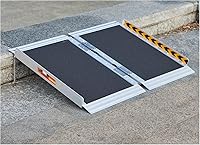
| Portable ramp | Up to a vehicle door or cargo area | Ramp length, slope, landing space and safe assistance |
| Platform lift | On an exterior or interior platform | Vehicle compatibility, platform size and installation requirements |
A ramp reduces the need to lift the chair by hand, but someone still has to guide it up and down the incline. The user may need a helper, and the ramp needs a firm, level setup area with enough room to approach.
For a broader look at ramps, lifts and stair lifts, compare what each system moves and where it carries the chair before choosing a specific model.
Can a hitch carrier handle a heavy power chair?
A hitch carrier can carry a heavy chair only if the carrier, hitch and vehicle all support the complete load. The lowest applicable weight limit controls; a carrier's capacity does not raise the vehicle's or hitch's rating.
Add the chair, carrier, batteries and any accessories that travel on the platform. Include removable parts only if they will actually be removed for transport.
Keep in mind that the carrier's weight also uses part of the vehicle's payload.
Check the hitch class and receiver size, then confirm the hitch and vehicle limits in the owner's manual or with the manufacturer. A connection that fits physically may still exceed a weight limit.
A carrier extends behind the vehicle, so check whether it affects hatch access, lights, the license plate or exhaust. Follow the carrier instructions and local rules for visibility and plate placement.
Will a ramp carrier work for an SUV or pickup truck?
A ramp carrier can work on an SUV or pickup when the receiver is compatible, the vehicle can carry the full load and there is enough space to load the chair. Check the approach and unloading area where you will park, not just the vehicle's dimensions.
Ramp length affects the incline. A longer ramp may offer a gentler approach in the same setting, but it still needs enough clear ground and a surface that supports safe loading.
The user or helper must be able to control the chair both going up and coming down.
For a pickup, also check how the hitch carrier sits in relation to the tailgate and bed access. Our guide to a scooter lift for a van, SUV or truck covers similar vehicle-fit questions for scooter transport.
If a ramp is the better match, see our pickup truck mobility scooter ramp guide for additional ramp-fit considerations. A ramp and powered lift solve different loading problems, so choose the method the chair user and helper can manage safely.
What measurements matter before you buy?
Measure the chair, vehicle and loading area before choosing a carrier or lift. The chair must fit the platform or cabin with room to maneuver, and the complete setup must remain within rated limits.
Record the chair's overall width and length, including footrests, armrests and other parts that cannot be removed. Compare those measurements with the usable platform or basket area, not only its outer dimensions.
For a hitch-mounted carrier, measure the receiver opening and confirm the hitch class. Check the vehicle and hitch ratings, then include the chair and carrier when calculating the load.
For an interior lift, measure the cargo opening, interior height and floor space. Check whether the chair can turn into position and whether the lift can reach its mounting points without blocking seats or doors.
Finally, think through the whole loading path. You need a safe place to approach the ramp, room to secure the chair, and enough clearance to open the vehicle doors or hatch as needed.
Which carrier options are worth comparing?
These choices are hitch carriers rather than powered lifts. Compare their loading method, ramp or basket dimensions and weight against the chair and vehicle before deciding.
Silver Spring 59 in ramp carrier: for more ramp length
The Silver Spring carrier with a 59 in ramp is a folding steel wheelchair and scooter carrier with a 500 lb capacity. It fits a Class III or IV 2 in hitch receiver and has 10 tie-down points.
Its ramp length makes it a sensible option to compare when you want more ramp than the shorter model below. The carrier weighs 93 lb, so account for that weight as well as the chair when checking the vehicle and hitch limits.
The carrier folds upright against the vehicle when not in use. It includes an anti-rattle device, hitch pin and spring pull pin.
Confirm the chair fits the platform and that your parking area leaves room to lower and use the ramp.
Silver Spring 42 in ramp carrier: for a shorter ramp
The Silver Spring carrier with a 42 in ramp is a folding steel option with a 500 lb capacity. Its ramp measures 42 x 27.75 in and folds flat when not in use.
It includes an anti-rattle device, hitch pin and 10 tie-down points. At 82 lb, it is lighter than the 59 in model, but that weight still counts against the vehicle's limits.
Choose this model only if the shorter ramp works for the user's loading ability and the surface where you park. A shorter ramp can mean a steeper approach, so consider whether the user or helper can control the chair in both directions.
MaxxHaul 70107: for a separate loading plan
The MaxxHaul 70107 is a steel hitch cargo basket with high side rails and a 500 lb maximum distributed capacity. It fits a 2 x 2 in receiver, and the basket measures 53 x 19 in outside and 51 x 17.5 in inside.
This basket does not include a wheelchair loading ramp or tie-down points. Its 22.3 lb weight is lower than the two ramp carriers, but you still need a safe way to load and secure the chair.
It suits a buyer who already has a workable loading method and suitable securement. Skip it if you need an integrated ramp or dedicated tie-down points, or if the chair does not fit within the inner basket dimensions.
How should you set up and secure a ramp carrier?
Set up and secure the carrier according to its instructions, with the vehicle parked on firm, level ground. Load only when the ramp is fully positioned and the chair can be controlled throughout the process.
Before each trip, check that the carrier is correctly attached to the compatible receiver and that its pins and anti-rattle device are secured as directed. Clear space behind the vehicle so the ramp can be lowered without obstruction.
Guide the chair slowly onto the platform. Use the carrier's designated tie-down points and the chair's approved securement points.
Keep straps clear of controls, wiring and parts that could be damaged or come loose.
After securing the chair, check that it is stable and that the carrier has not shifted. Confirm that the chair and carrier leave lights, plate and exhaust unobstructed.
Recheck securement before driving and after any stop where the setup may have moved.
What common mistakes should you avoid?
The most common buying mistake is treating the carrier's capacity as the only limit. The vehicle, hitch and carrier must all support the combined load, including the carrier's own weight.
Another mistake is measuring only the wheelchair seat or frame. Measure the full chair in its transport configuration, including any fixed footrests or accessories, and compare it with the usable platform or basket space.
Do not assume a ramp is manageable because it is included. A ramp carrier still requires controlled loading and unloading, a suitable parking surface and enough room to work.
If the user cannot guide the chair safely and a helper is unavailable, consider a powered lift or another transport plan.
Finally, do not treat an open cargo basket as a wheelchair carrier with a ramp. It needs a separate loading method and an appropriate way to secure the chair.
Should you choose a ramp or powered lift?
Choose a ramp carrier if the chair can be rolled onto an exterior platform, the vehicle and hitch can carry the complete setup, and you have room and help for loading. Choose a powered interior lift if the user needs mechanical help moving the chair into the vehicle and there is a compatible installation space.
A carrier keeps the chair outside during travel and adds weight behind the vehicle. An interior lift keeps the chair inside but depends on suitable mounting space and installation.
If you are comparing mobility equipment for vehicle travel, our guide to mobility scooters with car lifts covers related transport choices.
For the ramp carriers here, compare the Silver Spring models by ramp length and carrier weight. The 59 in ramp gives more ramp length; the 42 in version is shorter and weighs less.
The MaxxHaul basket is for buyers with a separate loading and securement plan.
Which power wheelchair vehicle lift should you choose?
Pick a ramp carrier if the chair can be guided onto an exterior platform and every vehicle and hitch limit allows the full load. Pick an interior powered lift if the chair needs mechanical help to get inside and the vehicle supports the installation.
Among these options, choose between the Silver Spring carriers based on ramp length, chair fit and the loading area. Choose the MaxxHaul basket only if you already have a safe loading method and securement plan.
Before buying, measure the chair and vehicle, verify the full load, and decide who will load and secure the chair. That is the practical decision rule for a power wheelchair vehicle lift that fits your daily transport needs.
Frequently asked questions
Can a hitch carrier lift a power wheelchair into an SUV?
A hitch carrier can transport a power wheelchair outside an SUV, but a ramp carrier requires someone to guide the chair onto its platform. Confirm receiver fit, carrier capacity, the vehicle's hitch and payload limits, and a safe loading and tie-down plan.
It does not raise the chair into the cabin.
How do I choose a power wheelchair lift for a pickup truck?
For a pickup, compare an exterior hitch carrier with a ramp against an interior lift based on the chair's weight, loading needs and available space. Check receiver or mounting requirements, vehicle payload limits and chair dimensions.
Confirm that the full setup is compatible before buying.
Is a ramp carrier the same as a power wheelchair lift?
No. A ramp carrier gives you a platform and ramp to roll a chair onto, while a powered lift uses a mechanism to move it.
A ramp can still require a helper and careful tie-downs.
Choose based on the user's abilities, available help and vehicle fit.
What should I check before using a wheelchair carrier?
Check the chair's weight and footprint, the carrier capacity, receiver size and hitch class, plus the vehicle and hitch weight limits. Follow the carrier instructions for loading and tie-downs.
Confirm the chair and carrier do not block lights, the license plate or exhaust, and ask a qualified installer about uncertain fit.