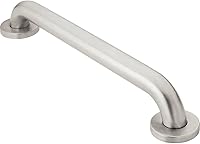
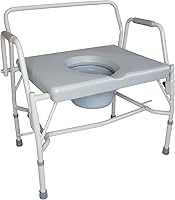
Ramps, Lifts and Stairlifts: A Complete Guide
Choose stair lift options by the rider, mobility device, rise and available space: use a ramp when its slope and landings fit, a platform lift when a wheelchair needs to travel between levels, or a stair lift when the rider can transfer to a seat.
On this page (8 sections)
- Which stair lift options and access tools fit the person and route?
- What should you measure before choosing stair lift options?
- When is a ramp the practical choice?
- When is a lift better than a ramp?
- How do you choose an option for a vehicle?
- What setup and care habits help keep access usable?
- Explore ramps, lifts and stairlifts by topic
- Which stair lift options should you choose?
The right stair lift options depend on who needs to travel, their mobility device and the rise and layout of the steps. A ramp provides a sloped path, a platform lift carries a wheelchair or scooter between levels, and a stair lift carries a seated rider along a rail.
Those three solutions solve different problems, so starting with the equipment alone can lead to the wrong choice. Start instead with the route, the person and the device that will use it every day.
Consider who travels the route and whether that person can transfer, stand, sit and operate controls safely. A rider who can move to a stair lift seat at both ends may use a rail lift well, while a person who needs to stay in a wheelchair will need a ramp or platform lift.
Consider the mobility device as well, including its width, wheelbase, weight and turning needs. A device that fits a doorway may still need more room to turn on a landing or align with equipment at the top of a step.
Consider the rise and the space available to cover it. A small threshold lip may need only a compact ramp, while a long flight of stairs needs a solution that fits the rider, the staircase and the landings at each end.
Think about how often the route is used and who will help with setup or transfers. A portable ramp set up for occasional access is different from a fixed route used several times a day, and the safer choice depends on that routine.
Outdoor routes add weather, drainage and surface condition to the decision. Indoor routes add door swing, furniture, lighting and space for another person to help without crowding the path.
Vehicle transport is part of the same picture for some households. A carrier or lift for a scooter or wheelchair still needs a check of vehicle fit, device weight, loading method and how the device will be secured for travel.
This guide covers entrances, stairs and vehicle transport in that order. For the basic trade-offs, see our wheelchair ramp vs wheelchair lift comparison.
Use the comparison to narrow the field, then measure the actual route before choosing a model. A short list based on the person, device and rise will be more useful than a long list based on product names alone.
If the choice is still close, note which option leaves the route clearest for daily use. Convenience matters here, because an access solution that creates extra steps, delays or crowding is less likely to be used safely each time.
Which stair lift options and access tools fit the person and route?
Match the equipment to the mobility device and the way the person moves. A ramp can work for a wheelchair, walker or scooter when its slope and landings fit; a stair lift requires a seated rider who can get on and off safely.
| Option | Often fits when | Check before choosing |
|---|---|---|
| Threshold ramp | A doorway has a small raised lip | Height, door swing, width and floor grip |
| Portable ramp | Temporary access is needed over a step or short rise | Ramp length, support, landing space and setup |
| Modular or permanent ramp | A wheeled device needs a regular route into the home | Total run, turns, landings, surface and installation |
| Stair lift | The rider can transfer to a seat and stairs are the barrier | Stair shape, transfer points, controls and power needs |
| Wheelchair platform lift | The person needs to stay in a wheelchair or scooter | Rise, platform size, site layout and professional installation |
| Vehicle carrier or lift | The mobility device needs to travel by car | Vehicle fit, device weight, loading and securement |
Use this as a first filter, then assess the actual space and user needs. A qualified installer can check the structure, landing areas and equipment fit, especially for a permanent ramp or lift.
If the person cannot transfer from a wheelchair or scooter to a stair-lift seat, review stair lift alternatives for seniors. For platform options and their limits, see wheelchair lifts for stairs.
How do stair lifts differ from wheelchair lifts?
A stair lift moves a person on a seat along a rail; a wheelchair lift moves a platform that can carry a wheelchair or scooter. The key question is whether the rider can transfer out of their mobility device.
A stair lift may suit a straight or curved staircase, depending on the model and stair layout. Learn whether stair lifts can go around corners when you compare models.
The rider needs safe transfer areas at both ends, and the stairs must remain usable for other household members.
A vertical platform lift can move a person and wheelchair between levels without requiring a ramp run. It still needs room for the platform, entry and exit, and a suitable place to install its structure.
Ask a qualified installer to check local building and access requirements. A home elevator may serve several floors and carry a person using a mobility device, but it needs a larger installation plan.
Compare a stair lift vs home elevator when planning access across floors.
What should you measure before choosing stair lift options?
Measure the rise, available run, width and landings before comparing equipment. Step height alone cannot tell you if a ramp will fit or a lift can be installed.
Record the vertical rise from the lower finished surface to the upper surface. Then measure the clear width between walls, rails and other obstacles.
Check the available straight-line run, room for turns and landings, and whether a door swings into the route. A ramp can cover a step but still block a doorway or leave too little room to turn.
Measure the mobility device’s width, wheelbase, ground clearance and turning space. Also consider whether the rider can transfer, stand, sit and use the controls safely.
For outdoor equipment, note rain exposure, drainage and the walking surface. A ramp that works indoors may be slippery or unstable if water collects at the bottom.
For ramp planning, ask a qualified local professional what slope and landing arrangement fit the person and location. Don’t assume a ramp is safe just because it reaches the top of the step.
For a threshold ramp, confirm that its edge sits flat and does not create a new trip point. For a stair lift, check the stair run and whether the rail, seat and footrest leave enough clearance for others to use the stairs.
How can you make a stair and access survey useful?
Walk the route with the person who will use it and note each transition. Include the approach to the step, the landing, the doorway and the area where the mobility device turns.
Take measurements at the narrowest points, not just across the open part of a room. Include protruding door handles, rails, furniture, trim and any space needed to open a door.
Write down whether the route is used every day or only occasionally. A temporary portable ramp may be reasonable for occasional use, while a frequently used entrance may call for a fixed ramp or lift with a more convenient routine.
Record the rider’s transfer needs separately from the device dimensions. A stair lift can fit the stairs but still be a poor match if the rider cannot sit, turn or transfer safely at the top and bottom.
When is a ramp the practical choice?
A ramp is a practical choice when there is enough room for a suitable slope and level approach areas. It can provide a continuous path for someone using a wheelchair, walker or scooter without requiring a transfer to a seat.
Portable ramps can provide temporary access over a limited rise, but they need secure placement and support. A longer fixed or modular ramp may suit a regularly used entrance if the site has room for its run and landings.
For a small door lip, a threshold ramp may be enough. A rubber threshold ramp can stay by a doorway, while a folding aluminum ramp can bridge a larger change in height.
Match the ramp to the actual rise, device and surface. A ramp that is too short can be too steep, and a ramp that is too narrow may not accommodate the wheels safely.
The threshold ramp vs modular ramp guide explains how a small transition differs from a longer access path. If the barrier is one raised step, compare a step ramp vs threshold ramp before choosing.
When does a portable ramp make sense?
A portable ramp can work when the rise is limited, the ramp can be positioned securely and someone can set it up as needed. It may not suit a steep, crowded or frequently used entrance.
A 2 ft folding ramp may fit a low step when the approach is clear. The FACHNUO 2FT Portable Wheelchair Ramp for Home is aluminum, folds for carrying and has a non-slip surface; for wheelchair access, FACHNUO recommends a step height no greater than 4 in.
Compare the cost of a foldable wheelchair ramp before choosing a model.
For a higher rise, a longer ramp can reduce the steepness, but it needs more room. The FACHNUO 6FT Portable Wheelchair Ramp for Home has support legs and is intended for heights from 6 to 18 in; FACHNUO recommends a ramp length at least four times the step height.
Before using either ramp, check its end positions, loading instructions and device fit. Don’t use a ramp that shifts, sits unevenly or blocks a door until the setup is corrected.
Portable ramps also add a handling step to each trip. Consider who will carry, unfold, position and store the ramp, and whether that person can manage it without rushing.
Our modular ramp vs portable ramp comparison covers the difference between a ramp you carry and one set up for regular access. For more choices, see best portable wheelchair ramps and best portable ramps for steps.
Which ramp works for a small threshold?
A low-profile threshold ramp can help with a small rise at a doorway, where a full-length ramp would take up more floor space. Measure the threshold height and width, then check the door and device clearance.
The VEVOR 1.2 inch Rise Cuttable Threshold Ramp is rubber, textured and 35.4 in wide. It can be cut to fit a threshold and includes double-sided adhesive tape for smooth surfaces.
Rubber ramps can be heavy to reposition, so consider where the ramp will stay and whether the surface suits the included tape. The ramp’s height and incline must suit the wheelchair, walker or other device approaching it.
For more detail, compare best rubber threshold ramps and best wheelchair threshold ramps. If the ramp meets a door track or uneven edge, wheelchair ramp transition plates may help you compare transition options.
When is a lift better than a ramp?
A lift may be a better fit when a suitable ramp run will not fit or the rise makes a ramp impractical. Platform lifts can carry a wheelchair or scooter, while stair lifts carry a seated rider who can transfer.
A lift needs a suitable location, safe entry and exit space, and an installation that matches the building and user’s needs. Ask an installer to assess the route, power, controls, maintenance and any local permits or rules before selecting equipment.
A stair lift leaves the stairs in place for other household members, but the rider still needs to get on and off the seat. It may not suit someone who cannot transfer.
Review how to choose a stair lift for seniors for questions about the seat, rail and rider fit.
A lift chair is different: it raises a seated person from a chair but does not carry them between floors. Read stair lift vs lift chair if the main need is standing up from a seat.
A stair-climbing aid may be considered in some situations, but it involves a helper and depends on the device, user and stairs. Learn about a stair climber for disabled adults before treating it as an alternative to a fixed installation.
If a stair lift stops, follow the owner’s manual and contact the installer if basic checks do not resolve it. Our guide to a stair lift not working covers common checks without replacing service advice.
Who should choose a stair lift, and who should skip one?
A stair lift suits someone who can transfer onto the seat, remain seated during travel and get off at the other landing. It can address stairs when a ramp or platform lift is not practical and the rider does not need to remain in their wheelchair.
Skip a stair lift if the person cannot transfer safely, cannot maintain a seated position, or cannot use the controls and there is no reliable assistance. In those cases, compare a platform lift or an accessible route that lets the person stay in their mobility device.
The stairs themselves also matter. A narrow or complex staircase, limited space at the landings, or a need to keep the stairs fully clear can change the choice.
An installer should assess the route before you commit.
Discuss the intended setup with the rider and anyone who will assist. Agree on where the rider transfers, where the mobility device stays and how the person reaches the other floor after the lift arrives.
What should you ask an installer before buying?
Ask the installer to explain how the equipment fits the measured route and the rider’s transfer needs. For a stair lift, review the rail path, seat position, controls, charging or power plan, and what happens if the lift stops.
For a platform lift, confirm the platform size, entry and exit arrangement, installation location and access to service. For a permanent ramp, ask how the run, landings, surface and drainage fit the site.
Ask who handles routine maintenance and whom to contact if the equipment stops or moves unevenly. Get the installation details and operating instructions in a form the rider and caregiver can use.
How do you choose an option for a vehicle?
Choose vehicle access equipment based on the mobility device, vehicle, loading method and securement plan. A hitch carrier transports a scooter or wheelchair outside the vehicle; an interior or platform lift may suit a different vehicle setup.
The Silver Spring Folding Steel Wheelchair Scooter Carrier fits a Class III or IV 2 in hitch receiver and includes a 59 in ramp, tie-down points and an anti-rattle device. It folds upright when not in use and has a stated 500 lb capacity.
Check the vehicle’s hitch rating, the mobility device’s weight and the carrier fit before use. The carrier weighs 93 lb, so include its weight when confirming that the vehicle and hitch can handle the setup.
Plan how the device will reach the carrier and who will load it. A ramp and tie-down points help with loading and securing, but the setup still needs to suit the vehicle, device and user’s abilities.
If a device needs to travel inside a van, a wheelchair ramp for vans may be relevant. Compare a power wheelchair vehicle lift or a wheelchair carrier for a car based on how the device will be loaded and secured.
For scooters, see our best mobility scooter lift and best mobility scooter ramp guides. A scooter carrier is not the same as a lift that raises a device into a vehicle.
What setup and care habits help keep access usable?
A safe setup has stable surfaces, clear travel space and equipment that matches the user and device. Follow the manufacturer’s instructions, and use professional installation for fixed lifts or ramps.
Before each use, check that a portable ramp is fully open, supported and aligned with the step. Keep the approach clear of loose mats, cords, water and debris, and confirm that the ramp does not move under the intended load.
For folding ramps, use the built-in handle and follow the instructions for carrying and opening. Store the ramp where it will stay dry and easy to reach, without leaving it in a hallway or doorway where it creates an obstacle.
For a threshold ramp, check that it remains flush with the floor and that the door can open and close. If adhesive is used, make sure the floor surface suits it and inspect for movement before relying on the ramp.
For a lift, keep the entry and exit areas clear and make sure the rider can reach and operate the controls. Keep others away from the moving path, and stay within the equipment’s stated capacity.
If a stair lift or platform lift makes an unusual sound, moves unevenly or stops, stop using it and contact the installer or manufacturer. Don’t bypass safety switches or attempt electrical repairs without qualified service.
A predictable routine can prevent hurried transfers. Keep the mobility device in an agreed place at each landing, check that the route is clear, and follow the same steps each time.
What common access mistakes should you avoid?
The most common mistake is choosing by step height alone. A ramp also needs enough run, clear width, landings and room for doors, while a lift needs suitable entry space and a safe way for the rider to use it.
Another mistake is assuming every ramp fits every mobility device. Compare the device’s width and wheelbase with the ramp, and follow the ramp’s intended height range and setup instructions.
Don’t treat a high weight capacity as proof that the route is safe. Capacity does not fix a steep incline, unstable placement, blocked door or insufficient landing space.
Avoid buying a stair lift before confirming transfer ability. A seat on the stairs does not solve access if the rider cannot safely move from their wheelchair to the seat and back.
For a vehicle carrier, include both the device and carrier in the vehicle and hitch fit check. Also make a clear plan for loading, tying down and unloading the device.
Explore ramps, lifts and stairlifts by topic
The guides below go deeper on two common starting points. One covers ramps for use inside the home, and the other covers the practical work of installing an aluminum ramp.
Use them after you have measured the rise, landings and device fit for your own route. They can help you compare shapes, surfaces and setup steps before you narrow a short list.
- Best Wheelchair Ramps for Home
- How to Install an Aluminum Wheelchair Ramp
Read the home ramp guide when the main question is which type fits a doorway, step or short rise. Read the installation guide when a fixed aluminum ramp is likely and you need to understand fixings, support and finish.
Which stair lift options should you choose?
Choose a threshold ramp for a small lip, a portable or installed ramp when there is room for its slope, and a wheelchair platform lift when the rider needs to stay in the wheelchair and a ramp will not fit. Choose a stair lift only when the rider can transfer to its seat.
That short answer works as a first filter, but the final choice should follow the person, the device and the measured route. A ramp that reaches the top step is not enough if the approach, landing or door swing leaves no safe room to use it.
Pick a portable ramp for occasional access when someone can set it up safely. It suits a limited rise and a clear approach where the ramp can sit flat, stay supported and be stored without blocking a hallway or doorway.
Choose a fixed ramp for regular wheeled access when the property has room for its run and landings. A fixed route removes the setup step from each trip, which can make daily use calmer and more predictable for both rider and helper.
Ask an installer about a platform lift when the route is too steep or constrained for a ramp. A platform lift can carry a wheelchair or scooter between levels, but it still needs space for entry, exit, controls and service access.
Choose a stair lift only when transfer is safe and the rider can sit and operate the controls during travel. Confirm the transfer points at both ends before purchase, and agree where the wheelchair or walker will wait while the rider is on the stairs.
For a vehicle trip, match the carrier or lift to the hitch, device weight and loading plan. Include the weight of the carrier itself, check tie-down or securement points, and make sure the person loading the device can do so without rushing or twisting.
Before deciding, measure the rise, route, landings and device. Record the narrowest clear width, turn areas, door swings and any step or threshold that creates a new trip point.
Ask a qualified local professional to assess a permanent installation and confirm that the selected option fits the rider's routine. That check is especially important for a modular ramp, platform lift or stair lift, where structure, power and local rules can change the plan.
Set up the chosen option so the routine stays the same each time. Keep the approach clear, store portable equipment where it can be reached without lifting over obstacles, and agree on who helps, where they stand and how the device is parked at each end.
Revisit the choice if the rider's transfer ability, device or home layout changes. An option that fit last year may no longer fit, and a fresh measurement is quicker than forcing a routine that no longer works.
Frequently asked questions
How do I choose between a ramp and a lift?
Choose a ramp when its slope, landings and clear route fit the location and the person’s mobility device. Consider a lift when the rise or limited space makes a ramp impractical.
Before deciding, account for transfers, weather exposure, the device’s size and who will operate or maintain the equipment.
Can a stair lift carry a wheelchair?
A typical stair lift carries a seated rider on a chair attached to a rail. It does not carry the wheelchair up the stairs, so the rider generally needs to transfer at both ends.
If transferring is unsafe or impractical, compare a wheelchair platform lift, ramp or another accessible route.
What should I measure before buying a portable ramp?
Measure the vertical rise, clear width, top and bottom landing areas, door swing and the mobility device’s wheelbase. Check the ramp instructions for appropriate length and setup, and confirm its end plates can sit securely.
A ramp that fits the step but blocks a door may not work.
Are threshold ramps suitable for every doorway?
No. Match the ramp height and width to the threshold, then check the door swing, floor surface and device clearance.
A low-profile ramp can address a small lip, while a taller step may need a longer ramp or lift.
Keep the approach clear and stable.
What if a stair lift stops working?
Check the seat, footrest and swivel controls, battery status, key switch and any obstruction on the rail, following the manufacturer’s manual. Don’t force the lift or open electrical covers.
If it remains stopped, contact the installer or manufacturer for service.