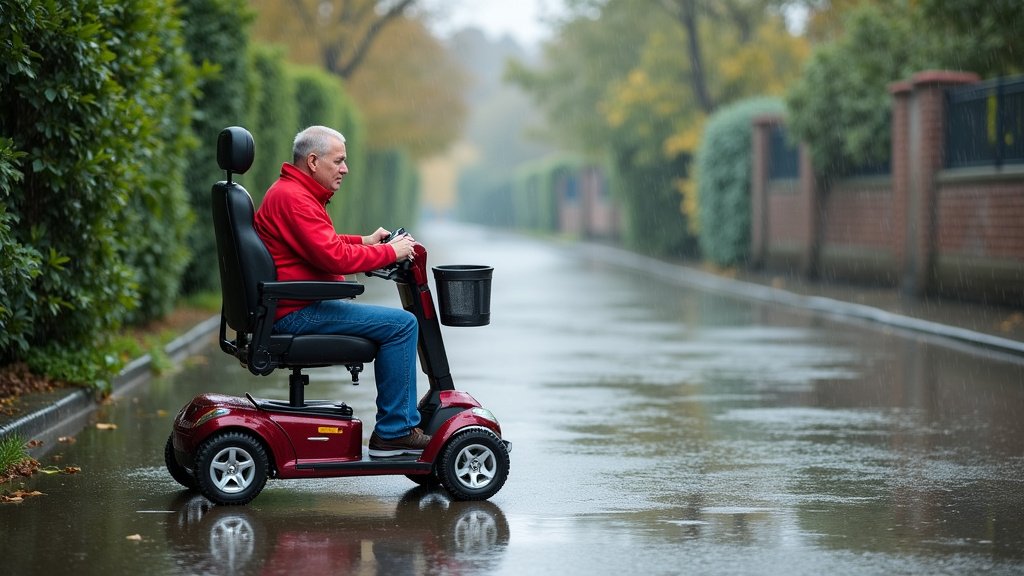
Can You Leave a Mobility Scooter in the Rain?
On this page (7 sections)
No, you generally cannot leave a mobility scooter in the rain without risking damage. While many scooters handle light drizzle, they are not designed to be fully waterproof or left exposed to constant moisture. Water can cause serious problems to their electrical components.
You might be wondering, “But it’s just a little rain, right?” Well, even a small amount of water can infiltrate the scooter’s sensitive electronics. This can lead to costly repairs, safety hazards, and even void your warranty. Protecting your investment is really important.
- Mobility scooters are not waterproof.
- Rain can damage electrical parts.
- Water damage can be expensive to fix.
- Always seek shelter for your scooter in wet weather.
- Use covers for extra protection in unexpected light rain.
Let’s dive into why rain is such a big deal for mobility scooters and what steps you can take to keep yours safe and dry.
Understanding Mobility Scooters and Wet Weather
Generally, leaving your mobility scooter exposed to rain can cause significant damage. These devices are built for mobility, not for prolonged exposure to precipitation.
It’s vital to grasp why water and electronics don’t mix, especially concerning your personal mobility device. Think of your scooter as a sophisticated piece of equipment.
When we talk about “waterproof” versus “water-resistant,” these terms have very different meanings. Most mobility scooters are, at best, water-resistant, not fully waterproof. This distinction is really important.
The Difference Between Waterproof and Water-Resistant
You might wonder, what’s the big difference? It’s all about protection levels. Water-resistant means the device can resist water penetration to some degree. It can handle a light splash or perhaps a brief drizzle.
On the other hand, waterproof implies complete protection against water, even submersion. Mobility scooters are almost never waterproof (Journal of Rehabilitation Research and Development).
Most scooters have an IP rating (Ingress Protection rating). This rating tells you exactly how protected the device is against solids and liquids. A higher second digit means better water protection.
For example, an IPX4 rating means it’s protected against splashing water from any direction. An IPX7 rating means it can be submerged for a short time. Most scooters fall into the lower IPX ratings.
Always check your scooter’s user manual for its specific IP rating. Knowing this will help you understand its limits when it comes to rain.
Key Components at Risk from Water Damage
Several critical parts of your scooter are highly vulnerable to water. It’s not just about getting it wet; it’s about compromising its functionality and safety.
The Electronics and Circuitry
Inside your scooter are sensitive circuit boards, wires, and connectors. These are the brains and nerves of your device. Water acts as a conductor, leading to short circuits.
When components short-circuit, they can fail immediately or suffer long-term damage like corrosion. This can manifest as intermittent power loss or complete breakdown.
Even a tiny bit of moisture can begin a slow, damaging process of oxidation on metal contacts. This means problems might not appear right away, but could surface later.
Motors and Batteries
The motor, which drives your wheels, is another area of concern. While often enclosed, seals can degrade over time, allowing water to sneak in. Water in the motor can cause it to seize or malfunction.
Batteries, especially lead-acid types, are generally sealed. However, charging ports or battery terminals can be exposed. Water entering these areas can cause corrosion or even a dangerous short circuit during charging.
Lithium-ion batteries are often more protected. Still, their charging systems are just as vulnerable. Charging a wet battery or attempting to charge with wet connections is extremely risky (National Fire Protection Association).
Control Panel and Joysticks
The control panel, with its buttons, display, and joystick, is your interface with the scooter. These parts are usually designed to be splash-resistant, but they aren’t meant to withstand a downpour.
Water can get under buttons or into the joystick mechanism, causing them to stick, fail, or send incorrect signals. This directly impacts your ability to safely operate the scooter.
The Hidden Dangers of Leaving Your Scooter in the Rain
You might think a quick shower won’t hurt, but the unseen consequences can be severe. It’s about more than just a repair bill; it’s about your safety and the scooter’s lifespan.
Significant Repair Costs
Water damage isn’t cheap to fix. We’ve seen that replacing electronic boards, motors, or batteries can cost hundreds, even thousands, of dollars. These repairs often require skilled technicians.
Many repair centers classify water damage as a “no-fix” or “beyond economical repair” scenario. This means the cost to repair might exceed the value of the scooter.
Imagine finding out your scooter is totaled because it sat out in one unexpected rainstorm. It’s a frustrating and expensive lesson.
Safety Hazards
Beyond cost, safety is paramount. A scooter with water-damaged electronics can become unpredictable. You could experience sudden power loss or unintended acceleration.
Corroded wires can create fire hazards, especially when charging. A faulty battery due to water damage could overheat or even explode. We definitely don’t want that.
A damaged control panel could mean you lose the ability to brake or steer properly. These are serious risks that you want to avoid at all costs.
Voiding Your Warranty
This is a big one. Almost all mobility scooter manufacturers state very clearly that water damage is not covered by warranty. Check your warranty document; it’s usually in the fine print.
Manufacturers can often tell if a scooter has suffered water damage. Some even include water indicators inside the device. If they find evidence of water, your warranty claim will be denied.
This means you’re on the hook for the entire repair or replacement cost. Protecting your warranty means keeping your scooter dry.
Practical Steps to Protect Your Mobility Scooter from Rain
So, what can you do? A lot, actually! Proactive measures can save you a lot of headache and money.
Immediate Actions During Unexpected Rain
If you get caught in an unexpected shower, don’t panic, but act quickly. Your first priority should be to find immediate shelter.
Look for an awning, a store entrance, or even stand under a large tree. The goal is to minimize direct exposure to the falling rain.
If you have any kind of waterproof jacket or poncho, use it to cover the control panel and display. Even a newspaper can offer a few minutes of crucial protection.
Once you’re safe and dry, check for any visible water ingress. Gently wipe down wet surfaces with a dry cloth. Don’t try to power on a scooter you suspect is wet; let it dry thoroughly first.
Essential Protective Accessories for Your Scooter
Investing in accessories specifically designed for wet weather is a smart move. These are your scooter’s rain gear.
- Universal mobility scooter cover: Keep one folded in your basket.
- Joystick or control panel cover: These are designed to fit snugly over your controls.
- Scooter canopy or umbrella attachment: Offers overhead protection while riding.
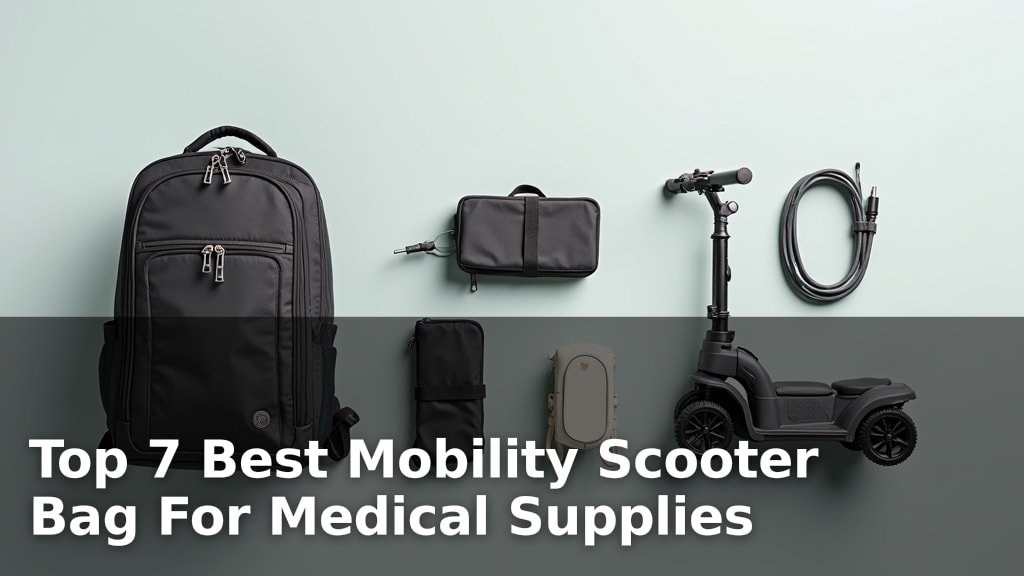
- Waterproof storage bag: For items in your basket that also need to stay dry.
- Wheelchair poncho or cape: These cover both you and a good portion of your scooter.
Even if you don’t plan to ride in the rain, having a cover in case you get caught out is a fantastic idea. Many experts suggest keeping a lightweight cover with you at all times.
Storage Solutions for Avoiding Rain Exposure
Where you store your scooter is just as important as how you protect it when you’re out. Proper storage eliminates many risks.
Indoor Storage is Optimal
The best place for your mobility scooter is indoors. A garage, a shed, or even inside your home offers complete protection from the elements.
Make sure the storage area is dry, temperature-controlled, and well-ventilated. Extreme temperatures can also affect battery life and overall scooter performance.
When Outdoor Storage is Necessary
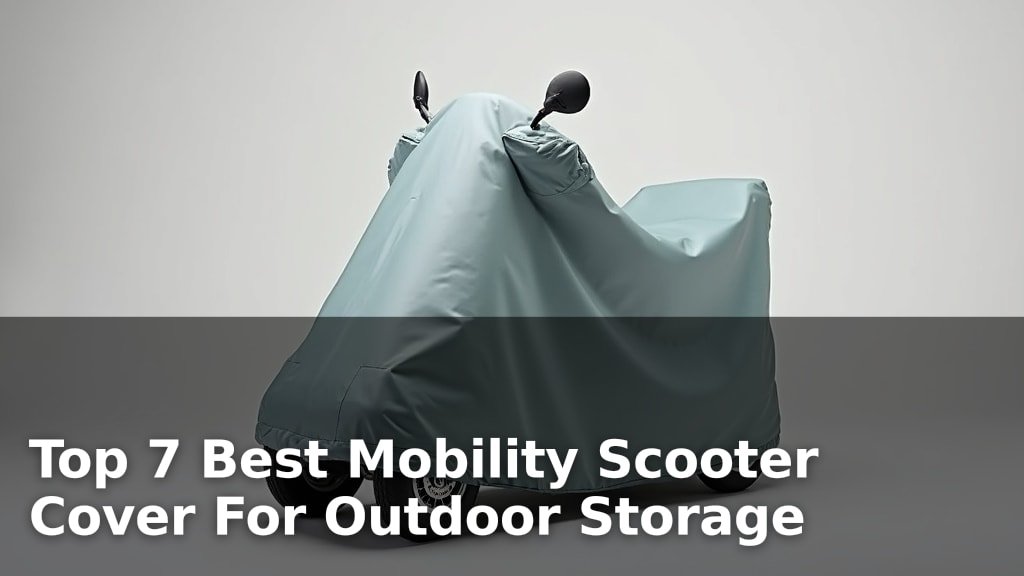
If you must store your scooter outdoors, invest in a heavy-duty, waterproof cover specifically for outdoor use. These are thicker and more durable than travel covers.
Ensure the cover provides full coverage, reaching down to the wheels, and ideally has straps or elastic to keep it secure in windy conditions. Consider placing a tarp underneath for ground moisture protection.
Also, elevate your scooter slightly off the ground if possible, using wood blocks or a small pallet, to prevent moisture wicking up from the ground during heavy rains (Mobility Scooters Direct).
Post-Exposure Care: What to Do if Your Scooter Gets Wet
Even with the best precautions, things happen. If your scooter does get wet, follow these steps immediately to minimize damage.
Immediate Actions After Your Scooter Gets Wet
First and foremost, do NOT turn it on or try to charge it. This is crucial. Powering a wet scooter can cause irreversible damage or create a safety hazard.
Disconnect the battery if it’s easily accessible and safe to do so. This cuts power to all systems and prevents short circuits.
Use a dry, absorbent cloth to wipe down all exterior surfaces. Pay special attention to the control panel, joystick, charging port, and any areas where water might pool.
Thorough Drying Techniques
Move the scooter to a warm, dry, well-ventilated area. If possible, remove any covers or access panels to allow air to circulate inside.
You can use a fan to gently circulate air around and within the scooter. Resist the urge to use a hairdryer on a hot setting, as excessive heat can damage plastic components and electronics.
Allow the scooter to dry completely, which can take 24 to 48 hours, or even longer, depending on how wet it got and the humidity levels. Patience is key here.
When to Seek Professional Help
After thorough drying, if you experience any unusual behavior—flickering lights, strange noises, unresponsive controls, or a failure to power on—it’s time to call a professional.
Don’t try to troubleshoot complex electrical issues yourself. Mobility scooter technicians have specialized tools and knowledge to diagnose and repair water damage safely.
They can check for corrosion, test electrical components, and ensure your scooter is safe to operate again. Think of it as a visit to the doctor for your scooter.
A Quick Checklist for Rain Protection
Here’s a simple checklist to help you remember the crucial steps for keeping your scooter dry and safe:
- Always check the weather forecast before heading out.
- Keep a lightweight, portable scooter cover with you.
- Never leave your scooter parked directly in the rain.
- Store your scooter indoors or under a robust, waterproof outdoor cover.
- If caught in rain, seek immediate shelter and dry it thoroughly before use.
- Consult your scooter’s manual for its specific IP rating and care instructions.
By following these guidelines, you’ll significantly prolong the life of your mobility scooter and avoid costly, frustrating dilemmas. Your scooter helps you maintain your independence, so taking good care of it is a priority!
Conclusion
Protecting your mobility scooter from rain is a non-negotiable step for its longevity and your safety. We’ve learned that these devices are typically water-resistant, not waterproof, making electrical components vulnerable to damage. Even brief exposure to moisture can lead to costly repairs, voided warranties, and dangerous malfunctions. By taking simple precautions like carrying a cover and ensuring proper indoor storage, you actively safeguard your independence.
Always prioritize keeping your scooter dry. Your diligent care will ensure it remains a reliable companion, ready for wherever your day takes you.
Frequently Asked Questions
How long does it take for water damage to show up on a mobility scooter?
Water damage might not appear instantly. Corrosion on electrical contacts can be a slow process, sometimes taking days or even weeks to cause noticeable issues. This delayed onset makes checking your scooter thoroughly after any moisture exposure very important.
Can a professional ‘dry out’ a water-damaged mobility scooter, or is it usually beyond repair?
A professional can often mitigate damage if the scooter is brought in quickly and hasn’t been powered on. They can disassemble, dry, and clean components. However, if corrosion is extensive or sensitive electronics short-circuited, repairs can be very expensive or even impossible.
Are newer mobility scooter models more waterproof than older ones?
While some newer models might feature slightly improved ingress protection (IP ratings) for water resistance, very few are fully waterproof. Manufacturers focus more on reliability and performance under normal, dry conditions. Always check the specific IP rating in your scooter’s manual.
Does my standard home insurance policy cover mobility scooter water damage?
Typically, standard home insurance policies do not cover mobility scooter damage unless it’s specifically listed as a personal possession damaged during a covered event (like a house fire). It’s always best to check with your insurance provider directly. Some companies offer specialized mobility equipment insurance.
What’s the best way to clean a mobility scooter after it’s been exposed to damp conditions?
After damp exposure, first ensure your scooter is powered off and dry. Use a soft, dry cloth to wipe down all surfaces. For stubborn dirt, a slightly damp cloth with mild soap can be used, but avoid spraying water directly onto the scooter. Ensure all parts are completely dry before operating or charging.