Can You Leave a Mobility Scooter Outside?
On this page (3 sections)
No, you generally should not leave a mobility scooter outside for extended periods. Exposure to the elements can cause significant damage to its electronic components and overall structure.
While some scooters offer a degree of water resistance, they are not designed for outdoor storage. Rain, humidity, and extreme temperatures can lead to costly repairs and a shorter lifespan for your valuable equipment. Protecting your investment is key.
- Outdoor storage harms electronics.
- Weather exposure leads to damage.
- Humidity and rust are major concerns.
- The battery life can be reduced.
- Security risks increase outdoors.
Let’s dive into why leaving your mobility scooter outside is a bad idea and what you can do instead to keep it safe and functional.
Why You Shouldn’t Store Your Mobility Scooter Outside
Leaving your mobility scooter outside seems convenient, right? Just pull it in and out as needed. But this seemingly simple choice can lead to a lot of headaches and expenses. We’ve found that exposure to the elements is the biggest threat to your scooter’s longevity and performance.
Your mobility scooter is a complex piece of equipment. It has sensitive electronics, a powerful battery, and moving mechanical parts. None of these components are designed to withstand constant outdoor conditions. Think of it like leaving your smartphone outside in the rain; you wouldn’t do it, and for good reason!
The Damage Weather Can Inflict
Weather isn’t just about rain. It includes temperature swings, humidity, and even direct sunlight. Each of these factors can slowly, or sometimes quickly, degrade your scooter’s condition. It’s like a slow drip, eventually causing a flood of problems.
Rain and Moisture
Water is the enemy of electronics. Even a “water-resistant” scooter isn’t waterproof. Rain can seep into control panels, motor casings, and battery compartments. This leads to corrosion and short circuits. We found that even light, consistent dampness can cause significant internal damage over time.
Humidity is another silent threat. High humidity levels, common in many parts of the US, can cause moisture to condense inside the scooter. This moisture fosters rust on metal parts and can degrade wiring insulation. It’s like a tiny, invisible attacker slowly eating away at your scooter’s insides.
Extreme Temperatures
Both very hot and very cold temperatures are harmful. In summer, direct sunlight can overheat the battery and plastic components. This can lead to reduced battery life and brittle plastics that crack easily. Nobody wants their scooter looking like it spent a year in the desert sun.
Winter brings its own set of problems. Cold temperatures drastically affect battery performance and capacity. You might find your scooter struggling to hold a charge or having a much shorter range. Freezing temperatures can also make lubricants stiff, affecting steering and suspension (National Institutes of Health).
Dust and Debris
Outdoor environments are rarely clean. Dust, pollen, leaves, and other debris can accumulate on your scooter. This grime can clog moving parts, air vents, and obscure safety lights. Keeping things clean helps, but constant outdoor exposure makes it a losing battle.
Impact on Your Scooter’s Battery
The battery is the heart of your mobility scooter. Its health is crucial for reliable operation. Leaving your scooter outside puts this vital component at significant risk. Think of the battery as a delicate organism that needs a stable environment.
As mentioned, extreme temperatures are particularly detrimental. Heat can cause the battery to degrade faster, reducing its overall lifespan. Cold weather decreases its immediate capacity, meaning fewer miles on a full charge. We found that proper battery care is the most important factor for scooter longevity.
Moisture can also cause terminal corrosion, hindering charging and power delivery. A corroded battery connection might look minor, but it can lead to intermittent power issues or even a complete failure. Always keep those battery terminals clean and dry.
Security Concerns When Storing Outdoors
Beyond weather damage, there’s the very real threat of theft or vandalism. A mobility scooter left outside, even on your property, is a much easier target than one stored securely indoors. Are you willing to take that risk with your valuable aid?
Many insurance policies have strict clauses about securing your scooter. If it’s stolen while left unattended outdoors, your policy might not cover the loss. Always check your policy details. Protecting your scooter from theft means keeping it out of sight and locked up.
Visibility plays a big role. A scooter parked outside signals to potential thieves that it’s accessible. An indoor storage solution, like a garage or shed, acts as a deterrent. We believe that peace of mind is worth the extra effort.
Best Practices for Mobility Scooter Storage
So, if outside is a no-go, where should you store your mobility scooter? The answer is simple: indoors, in a dry, temperature-controlled environment. This approach protects your investment and ensures it’s always ready when you need it. Our guide on how to store your mobility scooter offers comprehensive advice for long-term protection.
Let’s look at some better alternatives. Even if space is tight, there are often creative solutions to keep your scooter safe and sound. Protecting it now saves you money and frustration later.
Ideal Indoor Storage Locations
The best place for your scooter is inside your home. A dedicated corner in a living area, a large closet, or even a spacious entryway works well. This keeps it at room temperature and away from moisture. Plus, it’s easily accessible!
If indoor space is truly limited, a garage or shed can be a good option. Make sure these spaces are dry and offer some protection from extreme temperatures. Adding a small space heater in winter or a fan in summer can make a big difference. Think of these as your scooter’s mini-habitat.
Tips for Protecting Your Scooter Indoors
- Keep it Clean: Wipe down your scooter regularly to remove dust and dirt.
- Charge Properly: Follow manufacturer guidelines for charging your battery. Avoid overcharging or letting it drain completely.
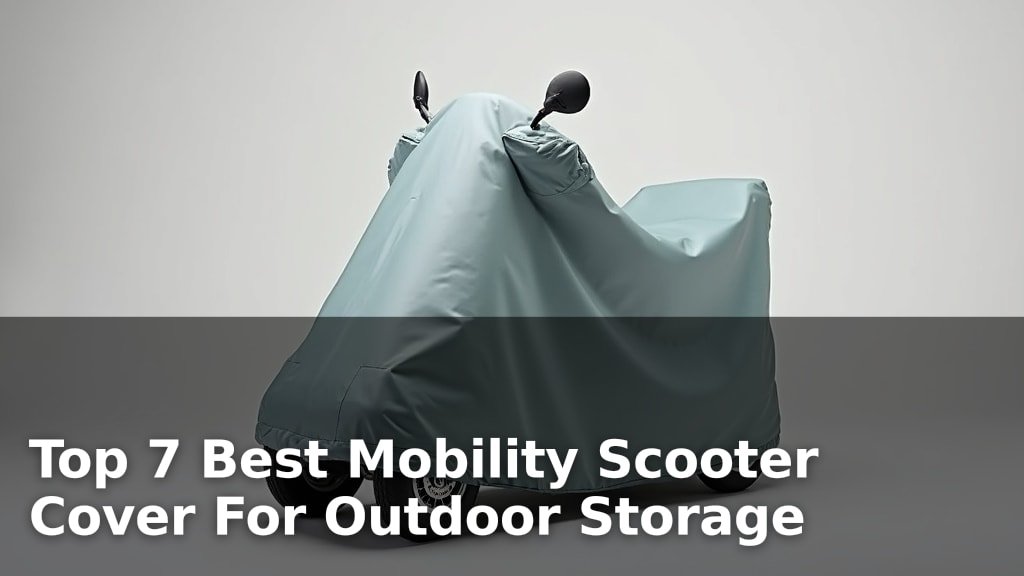
- Cover It Up: Use a breathable, waterproof cover even indoors to protect against dust and accidental spills.
- Regular Inspections: Periodically check tires, connections, and controls for any wear or damage.
- Elevate Off the Ground: If storing in a garage prone to dampness, consider placing your scooter on a pallet or mat to keep it slightly off the cold, potentially damp, concrete floor.
Comparing Outdoor vs. Indoor Storage
To help visualize the stark differences, here’s a quick comparison of what happens when you store your scooter outdoors versus indoors. It highlights why indoor storage is always the superior choice.
| Feature | Outdoor Storage | Indoor Storage |
|---|---|---|
| Battery Life | Significantly reduced due to temperature extremes. | Maximized and stable due to consistent temperature. |
| Electronic Damage | High risk from moisture, dust, and temperature fluctuations. | Minimal risk; protected from elements. |
| Mechanical Wear | Increased wear, rust, and stiffening of parts. | Reduced wear; parts stay lubricated and flexible. |
| Security Risk | High risk of theft and vandalism. | Low risk; out of sight and often locked. |
| Maintenance Needs | Frequent cleaning and repairs needed. | Less frequent, routine maintenance. |
| Overall Lifespan | Shortened lifespan; costly repairs. | Extended lifespan; reliable performance. |
As you can see, the benefits of indoor storage far outweigh any perceived convenience of leaving your scooter outside. It’s an investment in your scooter’s future.
When Temporary Outdoor Exposure is Unavoidable
We understand that sometimes, you can’t avoid leaving your scooter outside for a short time. Maybe you’re at a doctor’s appointment, shopping, or visiting a friend. In these situations, taking a few precautions can help minimize potential harm. Think of it as a temporary shield.
Short-Term Protection Strategies
- Use a Waterproof Cover: Always carry a lightweight, waterproof cover. It’s quick to deploy and offers immediate protection against rain or sun.
- Seek Shelter: Park your scooter under an awning, a covered walkway, or a tree if possible. Any overhead protection is better than none.
- Avoid Direct Sun: If no cover is available, try to park in a shaded area. This helps prevent battery overheating and plastic degradation.
- Security Measures: Use a scooter lock, especially if you’ll be away from it for a while. Chain it to a fixed object if possible.
- Stay Aware of Forecasts: If rain is expected, adjust your plans or ensure you have adequate protection ready.
These tips are for temporary situations only. They are not a substitute for proper indoor storage. Always prioritize bringing your scooter inside whenever you return home. Your scooter will thank you for it with years of reliable service!
Conclusion
You’ve learned why leaving your mobility scooter outside is a big no-no. Outdoor elements cause significant damage to electronics and batteries. They also invite security risks. Your scooter is an important part of your independence.
Protecting your investment means keeping it safe and dry indoors. Even temporary outdoor exposure requires smart precautions. Make indoor storage a priority. It will extend your scooter’s life and save you money on repairs. Take action today to give your scooter the care it deserves.
Frequently Asked Questions
Can a mobility scooter get wet?
Most mobility scooters are water-resistant, not waterproof. They can handle a light drizzle for a short time. However, exposure to heavy rain or prolonged dampness can damage sensitive electronics and lead to costly repairs. Always protect your scooter from moisture when possible.
What temperature is too cold for a mobility scooter battery?
Temperatures below freezing (32°F or 0°C) can significantly impact your mobility scooter’s battery. Cold reduces its capacity and overall lifespan. Try to store your scooter in a climate-controlled area, especially in winter, to preserve battery health.
Does extreme heat damage a mobility scooter?
Yes, extreme heat can be very damaging. Direct sunlight can overheat the battery, shortening its life and reducing performance. It can also make plastic components brittle. Always try to park your scooter in a shaded area if you must leave it outside temporarily.
Is it okay to store a mobility scooter in a shed?
Storing a mobility scooter in a shed can be a good option if the shed is dry and reasonably temperature-controlled. Avoid sheds that get extremely hot in summer or freezing cold in winter. Adding a small fan or even insulation can help make a shed suitable for scooter storage.
How can I protect my scooter if I have to leave it outside for a short time?
If you absolutely must leave your scooter outside briefly, use a waterproof cover. Park it under an awning or in the shade to protect it from sun and rain. Consider using a lock for security. These are temporary solutions, not replacements for indoor storage.