
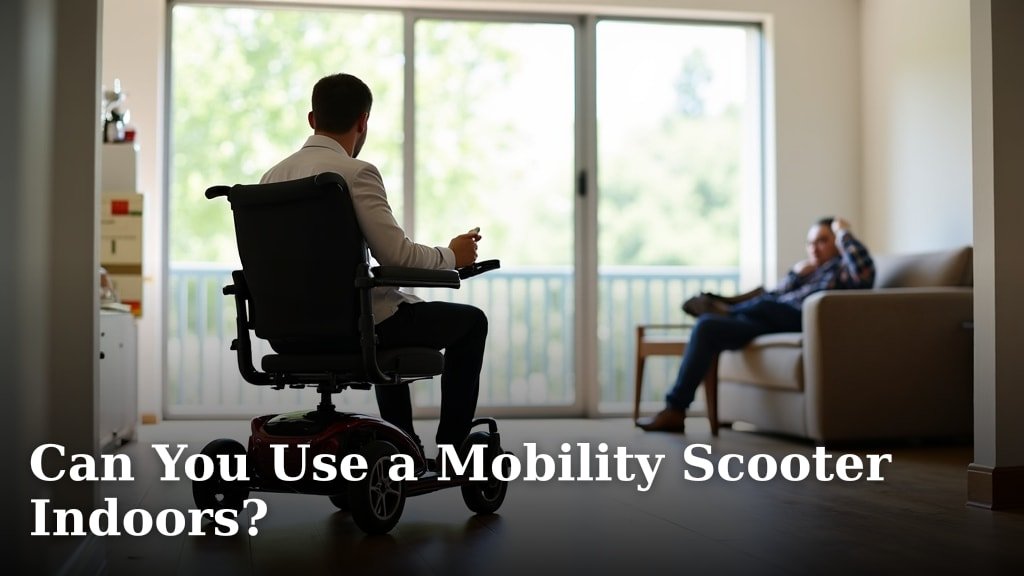
Yes, you absolutely can use a mobility scooter indoors, and many are designed specifically for this purpose. These smaller, more agile scooters offer great maneuverability within your home or other indoor spaces. They help you maintain your independence and comfort.
You might be wondering if your current scooter will fit through doorways or handle tight turns. The good news is that many models, especially those built for indoor use, feature a tighter turning radius and a more compact design. This makes navigating through rooms and around furniture much easier.
- Indoor scooters are compact.
- They have a tight turning radius.
- Perfect for navigating homes and stores.
- Many are easy to transport.
Let’s dive into the specifics, including what to look for in an indoor mobility scooter and how to make the most of it in your daily life.
Choosing the Right Mobility Scooter for Your Home
So, you’re ready to bring a scooter indoors. That’s fantastic! But how do you pick the perfect one for your space? It’s like finding the right pair of shoes; you need a good fit. We’ve researched and found that the key really comes down to size and maneuverability.
Indoor mobility scooters are generally smaller and lighter than their outdoor counterparts. They need to be. Think about navigating tight hallways, turning corners, and moving around furniture. A big, bulky scooter just won’t cut it. You want something that feels like an extension of you, not a battle tank.
Understanding Scooter Types and Their Indoor Suitability
Not all scooters are created equal. You’ll find a few main types, and each has its own strengths. Knowing these differences helps you make an informed decision. It’s about matching the scooter to your lifestyle and home layout.
Travel Scooters (Portable Scooters)
These are often the best choice for indoor use. Why? They are designed for easy disassembly or folding. This makes them incredibly convenient. You can take them apart to put in your car, and they generally have a very small footprint.
Travel scooters usually have three or four wheels. Three-wheel models offer a tighter turning radius, which is a huge benefit indoors. Imagine easily turning around in your kitchen or bathroom. Four-wheel models provide a bit more stability, but might need slightly more space to turn. We found many users prefer three-wheel models for inside navigation (National Council on Aging).
Full-Size Scooters
While great for longer outdoor trips, full-size scooters are generally less suitable for indoor use. They are wider, longer, and heavier. This means they’ll struggle in narrow doorways or small rooms. They’re like trying to park an SUV in a compact car spot.
You might find yourself bumping into furniture or getting stuck. Our research indicates that using a full-size scooter indoors can lead to frustration and potential damage to your home (Mobility Magazine).
Heavy-Duty Scooters
These are the giants of the scooter world. They are built for rugged terrain, long distances, and higher weight capacities. They are definitely not for indoor use. Their size and weight make them impractical, if not impossible, to navigate inside a typical home. They are simply too big to fit through most doorways or around furniture.
Key Features to Look For in an Indoor Mobility Scooter
When you’re shopping for an indoor scooter, you’ll want to keep a few things in mind. These features will make a big difference in your daily experience. It’s all about making your life easier and more comfortable.
- Compact Size: The smaller, the better. You need to fit through doorways and hallways.
- Tight Turning Radius: This lets you maneuver in small spaces. Look for models with a radius under 40 inches.
- Non-Marring Tires: You don’t want black marks all over your floors. White or gray tires prevent this.
- Comfortable Seating: Even for short trips inside, comfort matters.
- Easy Controls: Simple, intuitive controls are a must for safe operation.
- Good Battery Life: Enough charge for your daily indoor needs.
Measuring Your Home for Scooter Accessibility
Before you even think about buying, grab a tape measure. This step is absolutely crucial. It’s like measuring for new curtains; you wouldn’t buy them without knowing the window size, would you?
Measure the width of all your doorways, hallways, and any tight turns you need to make. Pay special attention to bathrooms and kitchens, which are often the smallest rooms. Your scooter’s width and turning radius must be less than these measurements. Don’t forget to account for any ramps you might need for thresholds.
Here’s a quick checklist for measuring your home:
- Measure all interior doorways (width).
- Measure hallway widths.
- Check bathroom door and maneuverability.
- Check kitchen door and maneuverability around appliances.
- Note any tight corners or turns.
- Measure any raised thresholds between rooms.
Making Your Home Scooter-Friendly
Even with the perfect indoor scooter, a little preparation goes a long way. Think of it as setting the stage. Making a few adjustments in your home can significantly improve your mobility and safety. It’s about creating clear pathways and removing obstacles.
Clearing Pathways and Removing Obstacles
This is probably the most important step. Look at your home with fresh eyes. Are there throw rugs that could snag a wheel? Is there furniture blocking a clear path? You need wide, unobstructed routes throughout your living space. We found that clutter is one of the biggest hazards for scooter users indoors (American Journal of Occupational Therapy).
Move any unnecessary furniture. Secure loose cords. Remove throw rugs or use non-slip pads to make them safe. You want smooth sailing, not an obstacle course. Think about the most common routes you take daily and clear them thoroughly.
Navigating Common Indoor Challenges
Every home has its quirks. Some present more challenges than others. But with a bit of planning, you can tackle most of them. It’s about understanding the problem and finding a simple solution.
Doorways and Thresholds
Doorways are often the narrowest points. If your scooter barely fits, consider offset hinges. These can add an extra inch or two of width. For thresholds, small ramps can make a world of difference. They help you roll smoothly from one room to another without jolting or getting stuck. Many options are available, from rubber to aluminum.
Bathrooms
Bathrooms are notoriously tight. If your bathroom is too small to maneuver, consider a transfer bench for the shower or a commode chair. Sometimes, even a small, portable scooter might not fit everywhere. It’s about finding the tools that best support your independence, even if it means using different aids in different areas.
Kitchens
In the kitchen, creating clear paths is key. Move stools or small tables out of the way. If you have an island, can you navigate around it? Consider having frequently used items at an accessible height. You want to be able to reach what you need without overstretching or straining.

General Tips for Indoor Scooter Use
Using your scooter indoors safely and effectively requires a little practice and awareness. Think of these as best practices to keep you and your home safe. It’s about being mindful and making smart choices.
Practicing Safe Operation
Even if you’re an experienced outdoor scooter user, indoor environments are different. Start slow. Practice turning and maneuvering in open spaces before tackling tight corners. Get a feel for the scooter’s turning radius. Remember, slow and steady wins the race when you’re learning new routes inside your home.
Always be aware of your surroundings. Are pets or small children underfoot? Look out for loose items on the floor. Safety is paramount, and a little caution goes a long way. We found that practicing in a familiar, low-stress environment helps build confidence (Journal of Geriatric Physical Therapy).
Maintaining Your Indoor Scooter
Just like any other piece of equipment, your scooter needs care. Keep the tires clean, especially if you’re bringing it in from outside. Check the battery regularly. A well-maintained scooter is a reliable scooter. Follow the manufacturer’s guidelines for charging and general upkeep. A little preventative maintenance can prevent bigger problems down the road.
When to Consider Professional Modifications
Sometimes, your home might need more than simple adjustments. If you’re struggling with access, consider professional home modifications. This could include widening doorways, installing permanent ramps, or reconfiguring bathroom layouts. Organizations like the Department of Veterans Affairs (VA) or local Area Agencies on Aging often have resources or grants for such modifications. Don’t hesitate to seek expert advice if needed.
These professionals can assess your home and recommend the most effective and safest solutions. It’s an investment in your long-term independence and quality of life. You deserve a home that fully supports your mobility needs.
| Feature | Travel Scooter (Indoor Focus) | Full-Size Scooter (Outdoor Focus) |
|---|---|---|
| Size | Compact, lightweight | Larger, heavier |
| Turning Radius | Very tight (ideal for indoors) | Wider (requires more space) |
| Disassembly/Folding | Often designed for easy transport | Rarely disassembles, not foldable |
| Tires | Non-marking, smaller wheels | Larger, more rugged tires |
| Maneuverability | Excellent in tight spaces | Limited indoors, better for open areas |
| Speed/Range | Lower top speed, moderate range | Higher top speed, longer range |
Conclusion
You absolutely can use a mobility scooter indoors, greatly enhancing your independence and comfort. By choosing a compact travel scooter with a tight turning radius and non-marring tires, you set yourself up for success. Remember to measure your home carefully and clear pathways to create a scooter-friendly environment. Making these adjustments allows you to navigate your living space safely and with ease. With the right scooter and a few simple modifications, you’ll enjoy newfound freedom within your own home.
Frequently Asked Questions
Are all mobility scooters suitable for indoor use?
No, not all mobility scooters are suitable for indoor use. Full-size and heavy-duty scooters are generally too large and heavy for navigating tight indoor spaces. Travel scooters, also known as portable scooters, are typically the best choice due to their compact size and maneuverability.
What’s the most important feature for an indoor mobility scooter?
The most important feature for an indoor mobility scooter is a tight turning radius. This allows you to maneuver around furniture and through doorways in smaller spaces. A compact size is also very important for fitting through narrow areas.
Can a mobility scooter damage my floors?
A mobility scooter can potentially mark your floors if it doesn’t have the right tires. Look for scooters equipped with non-marring tires, which are usually white or gray, to prevent leaving black scuff marks on your indoor surfaces.
How can I make my narrow doorways more accessible for a scooter?
To make narrow doorways more accessible, you can install offset hinges. These can add an extra inch or two of width to your doorway, making it easier for your scooter to pass through without bumping or getting stuck.
Should I remove all rugs if I’m using a mobility scooter indoors?
You should remove throw rugs or loose carpets that could snag a wheel or cause a trip hazard. If you have area rugs that are well-secured and lie flat, they might be acceptable, but always prioritize clear and smooth pathways.
