
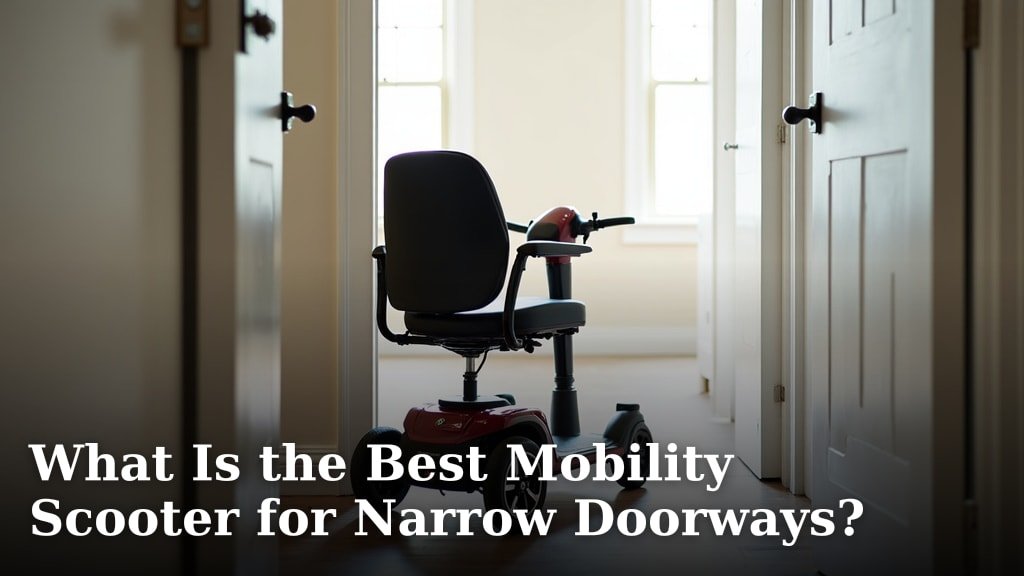
The best mobility scooter for narrow doorways is typically a compact, three-wheel model. These scooters are designed with a smaller turning radius and often feature a narrower overall width. This makes them ideal for navigating tight spaces like hallways and doorways in your home or in public places. You’ll want to look for models specifically advertised as “narrow” or “compact.”
When choosing a scooter for tight spaces, consider its overall dimensions carefully. Width is the most critical factor for doorways, but also think about the scooter’s length and turning circle. Many users find that scooters with tiller adjustment offer better maneuverability. We found that even a few inches can make a big difference for comfort and safety.
TL;DR:
- Compact three-wheel scooters are best for narrow doorways.
- Look for a small turning radius and narrow width.
- Check the scooter’s overall dimensions before buying.
- Tiller adjustment can help with maneuverability.
Let’s walk through exactly what features to look for and which types of scooters will best fit your needs for navigating those tight spots.
Navigating Tight Spaces: Choosing the Right Mobility Scooter
Finding a mobility scooter that fits through your doorways is essential for independence. Many scooters can feel like a tight squeeze in a hallway. We’ve researched the key features that make a scooter work well in smaller spaces. You’ll want to focus on models designed for maneuverability. Consider our guide to the best mobility scooter for indoor use for models designed for smaller spaces.
Understanding Key Scooter Dimensions for Doorways
The main thing to consider is the overall width of the scooter. Standard doorways in the US are typically 30-32 inches wide. You’ll want a scooter that is at least a couple of inches narrower than this. This gives you some wiggle room and prevents you from scraping walls or getting stuck. Think of it like parking a car; you need space to turn. Many manufacturers list the overall dimensions clearly in their specifications. Always check these before you buy.
Width is King for Doorways
When we talk about width, we mean the measurement from the widest point on one side of the scooter to the widest point on the other. This is usually the handlebars or the wheels. Some scooters are designed with very narrow profiles. For instance, some compact models might measure only 20-24 inches across. This is a huge advantage in a 30-inch doorway. You can often fit through without even needing to angle the scooter.
Length and Turning Radius Matter Too
While width is the primary concern for doorways, the length and turning radius also play a role. A shorter scooter is generally easier to maneuver in tight spots. The turning radius is the smallest circle the scooter can make. A smaller turning radius means you can pivot more easily in a hallway or a small room. Three-wheel scooters often have a tighter turning radius than four-wheel models. We found that a turning radius under 5 feet is ideal for most homes.
Three-Wheel vs. Four-Wheel Scooters for Tight Spaces
When you’re looking for a scooter for narrow doorways, the type of wheel setup is a big deciding factor. Your choice between three-wheel and four-wheel models can greatly impact your ability to navigate confined areas. We’ve found that one often has a distinct advantage.
The Agility of Three-Wheel Scooters
Three-wheel scooters are generally your best bet for navigating tight spaces. They typically have a more open design in the front, allowing the single front wheel to turn sharply. This leads to a much smaller turning radius. Imagine trying to turn a shopping cart versus a car with a wide wheelbase. The scooter with a single point of steering at the front will naturally turn more easily. Many experts suggest three-wheel models for their superior maneuverability in home environments (National Institute on Aging).
Why Three Wheels Excel
The key advantage of a three-wheel scooter is its ability to pivot. You can often turn the scooter almost on the spot. This is incredibly helpful for getting through doorways and navigating cluttered rooms. Their generally narrower design also contributes to their suitability for tight spaces. You’ll find many three-wheel options specifically marketed as “compact” or “travel” scooters.
The Stability of Four-Wheel Scooters
Four-wheel scooters offer more stability, especially on uneven terrain or when turning at higher speeds. However, this stability often comes at the cost of maneuverability. The two front wheels mean a wider stance and a larger turning radius. Many four-wheel models are also wider overall. If your primary concern is fitting through narrow doorways, a four-wheel scooter might present more challenges. We found that a typical four-wheel scooter needs more space to turn around.
When Four Wheels Might Still Work
Don’t rule out a four-wheel scooter entirely if you love its stability. Some manufacturers have designed four-wheel models with narrower profiles and improved turning capabilities. If your doorways are just slightly tight, or if stability is a non-negotiable for you, look for four-wheel options that are specifically listed as compact or narrow. You might find a suitable compromise.
Features That Enhance Maneuverability
Beyond the basic wheel count, several specific features can make a mobility scooter much easier to handle in confined areas. These are the details that can make a big difference in your daily use.
Adjustable Tiller for Better Control
An adjustable tiller is a game-changer. The tiller is the part you hold onto to steer. Being able to adjust its angle and height means you can position it for optimal comfort and control. This adjustment allows you to bring the controls closer or further away. It also helps you tuck the tiller in a bit. This can reduce the overall length the scooter occupies when you’re trying to navigate a tight corner. We found that users who can adjust their tiller report feeling much more in command.
Delta Tiller vs. Standard Tiller
You’ll often see two types of tillers: delta and standard. A delta tiller is shaped like a steering wheel and often has controls at the front and back. Many find these easier to operate, especially if you have limited hand strength. They can also be more compact. A standard tiller is more like a straight bar. Both can be adjustable, but the shape of the delta tiller can sometimes help tuck the controls in more effectively for maneuvering.
Seat Design and Swivel Functionality
The seat might seem secondary, but it can impact maneuverability. Some scooter seats can swivel. A swivel seat allows you to turn your body without moving the entire scooter. This is incredibly useful for getting on and off the scooter, but it can also help when you need to turn in a tight spot. You can pivot your upper body to guide yourself. Also, consider the seat’s width. A narrower seat can contribute to an overall narrower scooter profile. Consider a mobility scooter with a narrower seat for a slimmer profile, as discussed in our guide.
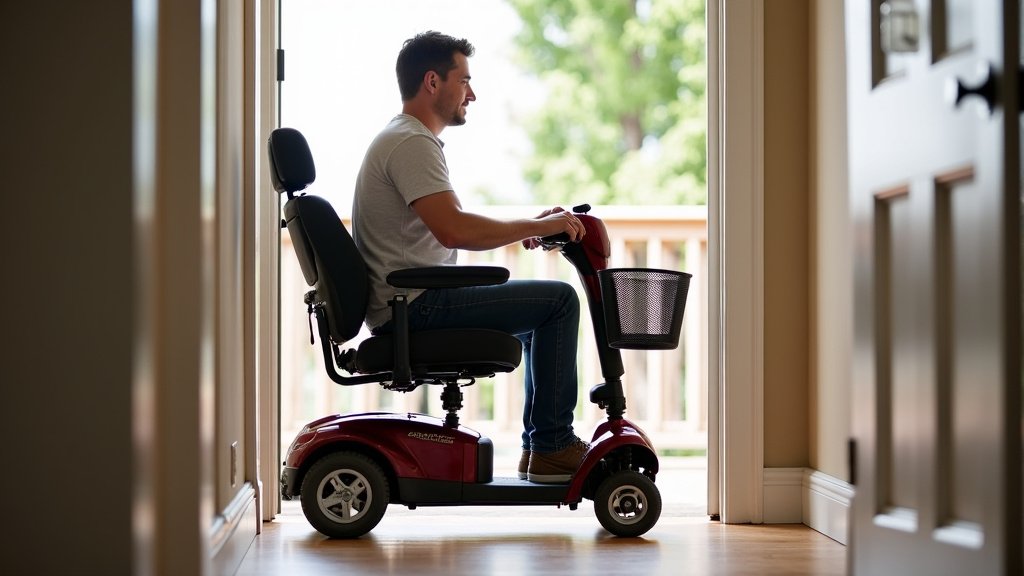
What to Measure Before You Buy
Before you even start looking at specific models, grab your measuring tape. Knowing your home’s limitations is the first step to finding the right scooter. Don’t guess; measure!
Your Doorways: The First Hurdle
Measure the width of your most-used doorways. This includes interior doors in your home, as well as any exterior doors you plan to use regularly. Measure the opening from trim to trim. Also, measure the width of any hallways. You want to ensure the scooter can pass through easily, with a little extra space for safety.
Hallways and Turning Areas
Check the width of your hallways. Even if a scooter fits through a doorway, it might get stuck in a narrow hall. Also, look at the space you have available for turning. Can you make a full 360-degree turn in your living room or kitchen? Measuring these areas will give you a realistic idea of what kind of turning radius you need.
Recommended Scooter Features Checklist
Here’s a quick checklist to keep in mind when you’re reviewing scooter specifications:
- Overall Width: Should be at least 2-3 inches narrower than your narrowest doorway.
- Turning Radius: Aim for 5 feet or less for optimal maneuverability.
- Tiller Adjustability: Look for a tiller that can be angled and positioned easily.
- Wheel Configuration: Three-wheel models generally offer better agility.
- Seat Width: Consider a narrower seat if available for a slimmer profile.
- Tire Type: Solid or non-marking tires are often preferred for indoor use.
Conclusion
Finding the right mobility scooter for your home means prioritizing narrow width and a tight turning radius. We’ve seen how three-wheel models often shine in this area, offering superior agility for tight corners and doorways. Remember to measure your doorways, hallways, and turning spaces before you shop. By focusing on these key dimensions and features like an adjustable tiller, you can find a scooter that truly enhances your independence. Your next step is to measure your space and then start comparing compact scooter models that fit your needs.
Frequently Asked Questions
How much clearance do I really need in a doorway?
You’ll want at least 2-3 inches of clearance on either side of your scooter when passing through a doorway. Standard US doorways are about 30-32 inches wide, so aim for a scooter that is no more than 24-26 inches wide. This wiggle room is essential for safe and comfortable navigation.
Are there any four-wheel scooters that are good for narrow spaces?
Yes, some manufacturers design four-wheel scooters with narrower profiles and improved turning capabilities. While typically less agile than three-wheelers, a compact four-wheel model might work if stability is your top priority and your doorways aren’t extremely narrow.
What does “turning radius” mean for a mobility scooter?
The turning radius is the smallest circle your scooter can make. A smaller turning radius, ideally under 5 feet, means you can turn more sharply in tight spots like hallways or small rooms without needing a lot of open space.
How does an adjustable tiller help in tight spaces?
An adjustable tiller lets you change its angle and height. This allows you to position the controls for better comfort and control. It can also help tuck the tiller in more, reducing the scooter’s overall length when you’re maneuvering around corners.
Is the seat design important for fitting through doorways?
The seat can indirectly impact maneuverability. A narrower seat contributes to an overall slimmer scooter profile. Some seats also swivel, which can help you pivot your upper body to guide yourself through tight spaces without moving the entire scooter.
