Can You Use a Mobility Scooter with One Hand?
On this page (5 sections)
Yes, you absolutely can use a mobility scooter with one hand. Many scooters are designed with tiller controls that allow for steering and speed adjustments using just one hand. This makes them a practical option for individuals who have limited use of one arm or hand.
Navigating the world with a mobility aid should feel as natural as possible. We found that modern mobility scooters often prioritize user-friendliness. They aim to provide independence and freedom for everyone, regardless of their physical capabilities. It’s all about finding the right fit for your needs.
- Yes, using a mobility scooter with one hand is possible.
- Many scooters feature one-handed tiller controls.
- These controls manage steering and speed.
- They offer independence for those with limited hand use.
Let’s walk through exactly how this works and what to look for in a one-handed mobility scooter.
Controlling Your Mobility Scooter with Just One Hand
So, you’re wondering if you can steer and operate a mobility scooter using only one hand. The short answer is a resounding yes! Many of today’s scooters are designed with this exact need in mind. We found that manufacturers are really focused on making these devices accessible to everyone. You don’t need full use of both hands to enjoy the freedom a scooter offers.
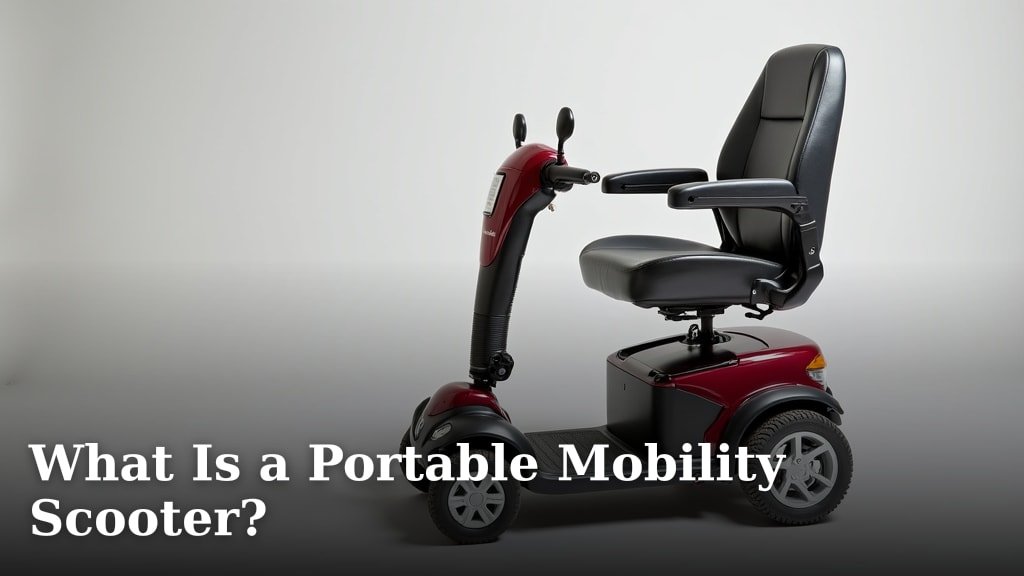
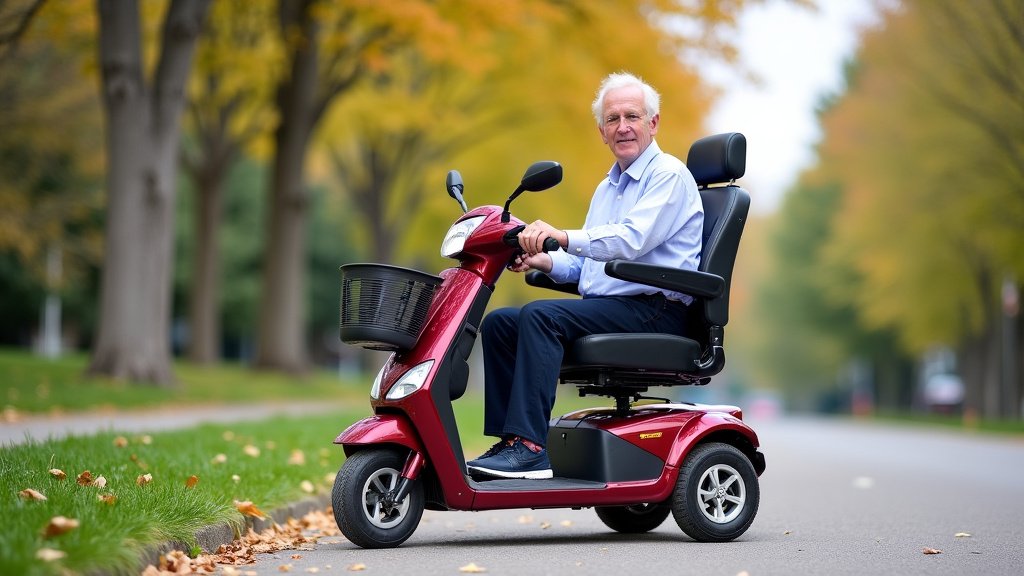
The key lies in the tiller, which is the part you hold onto and steer with. Think of it like the handlebars on a bicycle or motorcycle, but much more advanced. It houses all the main controls. This means you can adjust your speed, turn, and even operate the horn with just one hand.
Understanding Tiller Controls for One-Handed Operation
Mobility scooter tillers aren’t one-size-fits-all. Many feature ergonomically designed levers or thumb controls. These are placed so you can easily reach them with your thumb or fingers while your palm rests comfortably. It’s about intuitive design. We’ve seen models where you can push a lever forward to accelerate and pull it back to brake. Others might use a dial for speed adjustment.
The beauty of these designs is that they consolidate multiple functions into a single, accessible unit. You’re not fumbling around for different buttons. Everything you need is right there, under your hand. This makes navigating crowded spaces or tight turns much less stressful. It truly allows for effortless control.
Types of One-Handed Control Mechanisms
When looking at scooters, you’ll notice a few common types of one-handed controls. Some have a dual-function lever. This single lever often controls both forward and reverse motion, as well as acceleration and braking. You might push it one way for forward and the opposite way for reverse. A gentle touch can mean slow speed, while more pressure increases acceleration.
Another popular design uses a thumb-operated rocker switch. This is often paired with a twist-grip mechanism, similar to a motorcycle throttle. You can nudge the rocker switch with your thumb to go forward or backward, and twisting the grip adjusts your speed. We found these to be very responsive.
Some advanced models even incorporate digital displays directly on the tiller. These can show your battery life, speed, and diagnostic information. While the display itself is for viewing, the controls to navigate menus or settings are usually integrated alongside the driving controls, still accessible with one hand.
The “Flip-Up” Tiller Advantage
Some scooters come with a flip-up or adjustable tiller. This is a fantastic feature for ease of use. You can adjust the angle of the tiller to bring the controls closer or further away from you. You can also flip it up completely, making it easier to get on and off the scooter. This is especially helpful if you have mobility challenges in your legs or hips.
Horn and Lighting Controls
Don’t forget about other essential controls! Most scooters with one-handed operation have dedicated buttons or switches for the headlights, taillights, and horn. These are typically placed within easy reach of the main driving controls. You won’t have to take your hand off the steering mechanism to signal or illuminate your path. This ensures you can remain in control at all times.
Selecting a Scooter for Limited Hand Use
Choosing the right mobility scooter when you have limited use of one hand is about finding the best fit for your unique needs. It’s not just about the controls; it’s about the overall comfort and safety you’ll experience.
What to Look For in a One-Handed Scooter
When you’re shopping, we recommend looking for a few key features. First, focus on the tiller design. Is it easy for you to grip and operate with your dominant hand? Can you reach all the necessary controls without straining?
Next, consider the seat. You want a comfortable seat that offers good support. Since you’ll be driving with one hand, you need to feel stable and secure in your seat. Many scooters offer adjustable seats, so you can find the perfect height and position. A swivel seat can also make transferring on and off the scooter much easier.
Weight capacity and range are also important factors. Make sure the scooter can support your weight and travel the distances you need it to. We found that checking these specifications upfront can save a lot of disappointment later.
The Importance of a Test Drive
We can’t stress this enough: always test drive a scooter before you buy it. If possible, do this test drive with the specific hand you plan to use for operation. Take it around a corner, try accelerating and braking. See how it feels to maneuver. Does it feel natural? Do you feel in control?
You might also want to test it on different surfaces if possible. Some scooters handle inclines better than others. The goal is to ensure that operating the scooter feels safe and intuitive for you. This is your independence on wheels, so it should feel right.
Consulting with a Professional
Don’t hesitate to talk to a mobility specialist or a representative at a reputable medical supply store. They have a lot of experience with different models and can help guide you. They can demonstrate the controls and explain the pros and cons of various scooters for your specific situation. We found that their expertise is incredibly helpful.
They can also advise on any accessibility modifications that might be available. While many scooters are designed for one-handed use right out of the box, sometimes minor adjustments can make a big difference. They’ll help you find a scooter that truly fits your life.
Making the Most of Your One-Handed Scooter Experience
Once you have your mobility scooter, there are a few things you can do to make your experience even better and safer. It’s all about confidence and comfort.
Practice Makes Perfect
Even with intuitive controls, it’s wise to spend some time practicing. Find a safe, open space like an empty parking lot or a quiet park path. Get a feel for how the scooter responds to your inputs. Practice starting, stopping, turning, and even making quick adjustments. The more comfortable you are, the more confident you’ll feel in various situations.
Prioritize Safety Features
Always ensure your scooter has functioning lights and a horn. Check your brakes regularly. We found that regular maintenance is key to keeping your scooter in top condition. Many scooters also come with safety features like speed limiters for turns, which can be a lifesaver.
Understand Your Scooter’s Limitations
Every mobility scooter has its limits, whether it’s related to terrain, weight capacity, or battery life. Knowing these limitations is crucial for safe operation. For instance, avoid trying to go up very steep hills or navigating extremely rough terrain unless your scooter is specifically designed for it. Research your scooter’s specifications (e.g., incline rating, turning radius) (CDC recommends understanding device capabilities for safe use).
Here’s a quick checklist to help you on your scooter journey:
- Test drive with your intended hand.
- Check tiller controls for ease of use.
- Ensure comfortable and supportive seating.
- Understand weight capacity and travel range.
- Confirm that safety features are working.
- Practice in a safe, open area.
Conclusion
You’ve learned that using a mobility scooter with just one hand is absolutely achievable. Modern scooter designs, especially those with intuitive tiller controls, make this possible. You can steer, accelerate, and brake with ease, regaining significant independence. Remember, finding the right scooter involves focusing on tiller ergonomics, comfortable seating, and always taking a test drive. Your ability to get around shouldn’t be limited by hand use, and with the right scooter, you can confidently navigate your day.
Your next step is to visit a local mobility store and try out a few models designed for one-handed operation. Feel how the controls respond and make sure it feels natural for you. Your next step is to visit a local mobility store and try out a few models designed for one-handed operation.
Frequently Asked Questions
Are all mobility scooter tillers designed for one-handed use?
No, not all tillers are designed for one-handed use. While many modern scooters offer this feature, some still require two hands for full control. We found it’s essential to look for specific models advertised with single-hand or ambidextrous controls.
Can I switch the controls to the other side if I have a dominant hand preference?
Some scooter models do allow for control switching, but this is not a universal feature. It’s best to check the specific model’s capabilities or consult with a mobility specialist. We recommend testing the default one-handed controls to see if they suit your needs first.
What if the thumb controls on a tiller are difficult for me to use?
If standard thumb controls aren’t comfortable, look for scooters with different one-handed mechanisms, like a dual-function lever that you can operate with your palm or fingers. Some can be adjusted, and a professional can advise on potential modifications.
How do I ensure I can still signal turns and use lights with one hand on the tiller?
Most scooters designed for one-handed operation integrate horn and light controls near the primary driving levers. We found these buttons are usually positioned for easy access by your thumb or fingers while you are steering. Always confirm this during your test drive.
Is it safe to use a mobility scooter with one hand on public roads?
Using a mobility scooter safely with one hand is possible, provided you understand its capabilities and limitations, much like with two-handed operation. Always practice in safe areas first, be aware of traffic laws, and ensure all safety features are functional. We always advise checking local regulations regarding scooter use on public pathways.