Handheld Shower Head vs Fixed: Which Is Better? (November 2026)
A handheld shower head gives you more control and reach; a fixed head keeps both hands free. For many seniors, a handheld head or a fixed-and-handheld combo is easier to adapt to seated and standing showers.
On this page (9 sections)
- Handheld shower head vs fixed: which is better for seniors?
- How do reach and control differ?
- Which head keeps your hands free?
- How do spray settings affect the choice?
- Can you use a fixed head and handheld head together?
- What setup details matter for bathroom safety?
- What should you check before choosing a handheld head?
- How do you switch from fixed to handheld?
- Which shower head should you choose?
A handheld shower head gives you more control and reach; a fixed head keeps both hands free. For older adults who bathe seated or need to rinse without moving under the spray, a handheld model can be easier to position.
The better choice depends on how you shower, where the head sits and whether you can comfortably hold and return a sprayer. If you alternate between seated and standing showers, a fixed head with a handheld option may offer more flexibility.
This comparison covers reach, control, setup and safety considerations. It isn't a substitute for stable grab bars, a suitable shower seat or help with transfers when needed.
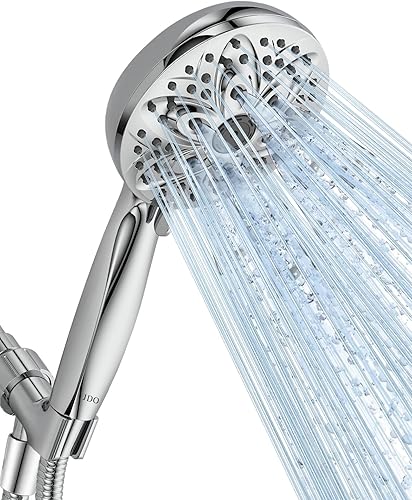 Best for adjustable spray
JDO High‑Pressure 6‑Setting Handheld Shower Head

Handheld shower head vs fixed: which is better for seniors?
Choose a handheld shower head when reach and directed rinsing matter most; choose a fixed head when hands-free spraying is the priority. A combination can cover both needs if the shower hardware fits.
A handheld head detaches from its bracket and sends water where you aim it. That can reduce the need to turn or shift your body to rinse, especially from a shower seat.
A fixed head stays attached to the shower arm. You can adjust its angle if the connection allows it, but you cannot bring the spray down to your lap or legs.
Neither design makes a shower safe on its own. Water, soap and tight spaces can still create fall risks, so plan the whole bathing setup around stable footing and easy access.
How do reach and control differ?
A handheld head lets you move the spray; a fixed head lets you bathe without holding the showerhead. Think about which action is easier for you: reaching for a holder or managing a sprayer and hose.
With a handheld model, you can rinse your hair, shoulders, legs or feet while staying in one position. The hose must reach those areas without pulling tight, and it should hang away from your feet.
A fixed head may be simpler if holding a sprayer is uncomfortable or if you want both hands free. Its position matters: a head mounted too high or aimed too far away may be difficult to use from a seat.
Is a handheld shower head easier while seated?
A handheld head can be easier to aim while seated, provided its bracket and hose are within reach. A longer hose can extend farther, but extra length also needs a safe place to hang.
The JDO handheld includes a 59 in flexible hose and an adjustable bracket. The Hotel Spa AquaCare includes a 72 in hose, an overhead bracket and a low-reach wall bracket.
{{product B098NNSVPD}} The JDO's 59 in hose and adjustable bracket offer reach for seated rinsing or overhead use.
{{product B08WPQ12XX}} The AquaCare's 72 in hose and low-reach bracket may suit a shower setup where the head needs to sit closer to the seat.
Before choosing, sit in the intended bathing position and consider whether you can reach the bracket, controls and soap without leaning. Ask someone to help check placement if you have trouble balancing or transferring.
Which head keeps your hands free?
A fixed shower head keeps your hands free during bathing. That can matter if holding a sprayer is tiring or if you need both hands for washing.
The HOPOPRO fixed head has 5 spray modes and a 360-degree adjustable brass ball connection. You can change its angle, but the head remains in place.
A handheld head can also be used hands-free when returned to a secure bracket. Check that the bracket holds it at a useful height and angle, and that you can put it back without reaching awkwardly.
{{product B07SQ4R65K}} The HOPOPRO fixed head provides hands-free spraying and an adjustable connection angle.
A handheld head can require coordination to aim, hold and return it. If grip, arm strength or balance is a concern, try the movement while the water is off before relying on it during a shower.
How do spray settings affect the choice?
Spray settings change the feel and direction of water, but they don't decide whether a head is accessible. Prioritize reach, bracket height and controls first.
The JDO has 6 settings, including rain, massage, mist, spray, mixed modes and pause. The Hotel Spa AquaCare has 8 settings, while the HOPOPRO fixed head has 5 modes.
More settings may give you more options, but you may prefer a control you can operate easily with wet hands. Check how the mode selector moves and whether you can change it without shifting your balance.
If you aren't sure which spray suits you, choose a model with a holder you can reach and an easy return path. The head should stay secure when not in your hand.
Can you use a fixed head and handheld head together?
You can keep both types by adding a compatible diverter and handheld hose. This setup can offer hands-free overhead spray and directed rinsing from the same shower arm.
The YDmeet brass diverter connects a handheld shower and a fixed shower head. Its lever switches between outlets, or sends water to both at once, with the flow divided between them.
{{product B07YY2ZXPG}} The YDmeet diverter connects a fixed head and handheld head so you can switch between spray positions.
{{product B07YY2ZXPG}} Use this brass diverter to add a handheld option while keeping the fixed shower head in place.
Before buying parts, confirm the connection type and fit for your shower arm. Keep the hose from crossing the shower entrance, seat or transfer space, and have a qualified installer help if the fittings are unfamiliar.
What setup details matter for bathroom safety?
A safe shower setup gives you stable support and controls you can reach without stretching. The showerhead is one part of the plan, alongside a suitable seat, grab bars and a clear floor.
Place the handheld bracket where you can reach it while seated and standing, if you use both positions. Test whether the hose reaches the spray areas you need without pulling on the holder.
Keep the hose loop out of your foot space and away from the shower entrance. A hose on the floor can catch a foot or interfere with a walker or transfer.
Use grab bars that are installed for support, not towel bars. A complete bathroom safety guide for seniors covers other changes that can make bathing and moving through the bathroom easier.
If balance or transfers are difficult, get help planning the shower setup. A clinician or occupational therapist can advise on equipment that fits your needs and bathroom.
What should you check before choosing a handheld head?
Check hose reach, holder placement and the effort needed to use the sprayer. These practical details matter more than the number of spray modes.
Measure from the proposed bracket to the areas you need to rinse. Leave enough room to move the head, but avoid a hose that forms a loose loop around your legs.
Look for a holder that puts the head within easy reach and supports it at a useful angle. If you want a magnetic holder, compare options in our guide to the best magnetic handheld shower heads.
For other hose lengths and setups, see our best handheld shower heads with hose guide. If you want broader recommendations for older adults, our best handheld shower head for seniors guide focuses on features that can help with reach and control.
How do you switch from fixed to handheld?
A compatible handheld shower head can often replace a fixed head on a standard shower arm. Confirm the connection and follow the installation instructions for the parts you choose.
Before starting, make sure the shower arm is stable and the old head can be removed without damaging the pipe. A diverter may be needed if you want to keep a separate fixed head.
Our guide explains how to change a shower head to handheld. If the connection is stuck, corroded or leaking, stop and get help rather than forcing the fitting.
Which shower head should you choose?
Pick handheld for seated rinsing and flexible reach, fixed for hands-free use, or a compatible combo if you need both. Match the setup to your balance, grip, shower seat and bathroom layout.
A handheld head may suit you if you want to direct water while seated or avoid turning to reach the spray. A fixed head may be simpler if you can stand safely and prefer not to hold a sprayer.
Choose a combo when both spray positions solve real needs and the added hose can stay clear of your path. Place every control and bracket where you can reach it without stretching, and use a stable bathing setup.
Frequently asked questions
Is a handheld shower head safer for seniors?
A handheld shower head can make rinsing easier from a seated position because you can direct the spray without standing under a fixed stream. It doesn't prevent falls by itself.
Use stable grab bars and a suitable shower seat, and keep the hose clear of your feet and transfer path.
Can you use a handheld shower head while seated?
Yes, if the hose reaches comfortably and the holder sits where you can reach it. Check the hose path from the seat before bathing, and make sure the detached head can be returned to its bracket without leaning or twisting.
Can a fixed shower head work for seniors?
A fixed shower head can work well if you can stand safely, reach the controls and adjust the spray angle. It keeps your hands free, but its height and direction may not suit seated bathing or rinsing hard-to-reach areas.
Can you keep both a fixed and handheld shower head?
Yes. A shower arm diverter can connect a fixed head and a handheld head, then switch between them.
Check that the parts fit your shower arm and that the added hose won't cross a walking or transfer route.
What hose length should you choose for a shower seat?
Choose a hose that reaches from the holder to the areas you need to rinse while seated, with enough slack for comfortable movement. Common options here include 59 in and 72 in hoses.
Measure the actual route and keep extra hose from looping around your feet.