How Much Is a Good Mobility Scooter?
On this page (8 sections)
So, you’re wondering how much a good mobility scooter costs? You can expect to spend anywhere from $1,000 to $4,000 for a quality, reliable mobility scooter. The final price tag depends on factors like features, brand, and type.
We know that finding the right mobility scooter can feel overwhelming. It’s a big purchase that impacts your daily life. Many factors influence the price, from basic models designed for simple errands to more advanced scooters built for varied terrains and longer distances. Understanding these differences helps you make a smart investment for your independence.
- A good mobility scooter usually costs $1,000 – $4,000.
- Newer, more advanced models are pricier.
- Used scooters can save you money.
- Consider maintenance and warranty costs too.
- Your specific needs dictate the best type and price.
Below, we’ll break down the different price points and what you can expect for your money. Let’s get you moving comfortably and confidently!
Understanding Mobility Scooter Pricing: What to Expect
So, you’re curious about the cost of a good mobility scooter. We found that prices can range from around $1,000 to $4,000 for a quality, dependable model. This price range reflects the variety of options available to suit different needs and budgets. Think of it like buying a car – a basic sedan won’t cost the same as a luxury SUV, and mobility scooters have a similar spectrum.
The price you’ll pay depends on several key factors. We’ll break down what influences these costs so you can make the best choice for your independence and comfort. Let’s dive into how you can get a great scooter that fits your life.
Price Tiers for Mobility Scooters
We’ve identified three main price tiers for mobility scooters, each offering different capabilities and features. Understanding these can help you narrow down your search.
Budget-Friendly Models (Under $1,000)
These scooters are generally the most basic. They are often lightweight and designed for short, simple trips. Think of them for quick errands around the neighborhood or inside a large shopping mall. They might have a shorter travel range on a single charge. These are great if your needs are very limited and you don’t plan on long journeys.
You might find these models at major retailers or online marketplaces. They are a good starting point if you’re on a tight budget. However, they may lack some of the advanced features found in more expensive options. We found that battery life and speed can be a bit lower on these units.
Mid-Range Scooters ($1,000 – $2,500)
This is where you’ll find many of the best value options. Scooters in this price range offer a good balance of features, performance, and durability. They are suitable for a wider range of uses, including longer outings and varied terrain. You’ll often see improved suspension and more comfortable seating.
These models typically have a longer battery life, allowing you to travel further on a single charge. They can often handle slight inclines and rougher surfaces better than budget models. Many popular brands fall into this category. We found this tier is often the sweet spot for many users.
Premium & Heavy-Duty Scooters ($2,500 – $4,000+)
If you need maximum performance and features, this is where you’ll look. These scooters are built for tougher conditions and longer distances. They often feature advanced suspension systems, higher weight capacities, and more powerful motors. They can tackle uneven sidewalks, gravel paths, and even some off-road trails with ease.
Look for plush, ergonomic seating, advanced control panels, and superior battery technology. Some premium models even offer specialized features like all-weather canopies or enhanced lighting. If you plan on extensive travel or need a scooter that can handle challenging environments, this tier is likely your best bet. We found these offer the most robust performance.
Factors That Influence Scooter Prices
Several elements contribute to the final cost of a mobility scooter. Understanding these helps you see why one scooter might cost more than another.
Brand Reputation and Quality
Like many products, well-known brands often come with a higher price tag. This is usually because they have a reputation for reliability, excellent customer service, and robust warranties. Companies that have been in the industry for a long time often invest more in research and development.
We found that sticking with established brands can offer peace of mind. They tend to have better quality control and a more readily available supply of replacement parts. This can save you hassle and potential future expenses. Think of brands like Pride Mobility, Golden Technologies, or Invacare – they are popular for a reason.
Type of Mobility Scooter
Mobility scooters come in different types, each designed for specific uses. The type directly impacts the price. Understanding the different types of mobility scooters can help you make the best choice for your needs.
Travel/Portable Scooters
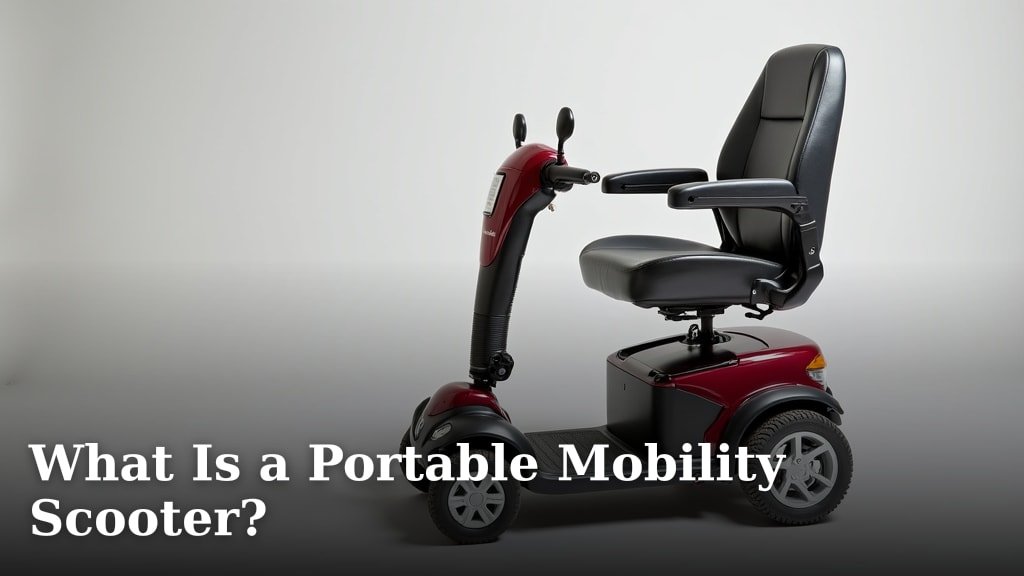
These are designed for easy disassembly and transport. They are lightweight and can be broken down into smaller pieces to fit in a car trunk. Their focus is portability, so they might have a shorter range and less power compared to other types. Prices typically range from $1,000 to $2,000.
3-Wheel Scooters
Known for their tight turning radius, 3-wheel scooters are excellent for indoor maneuverability and navigating crowded spaces. They offer good visibility of your surroundings. However, they can be less stable on uneven surfaces compared to 4-wheel models. You’ll often find them in the mid-range price bracket, around $1,500 to $2,500.
4-Wheel Scooters
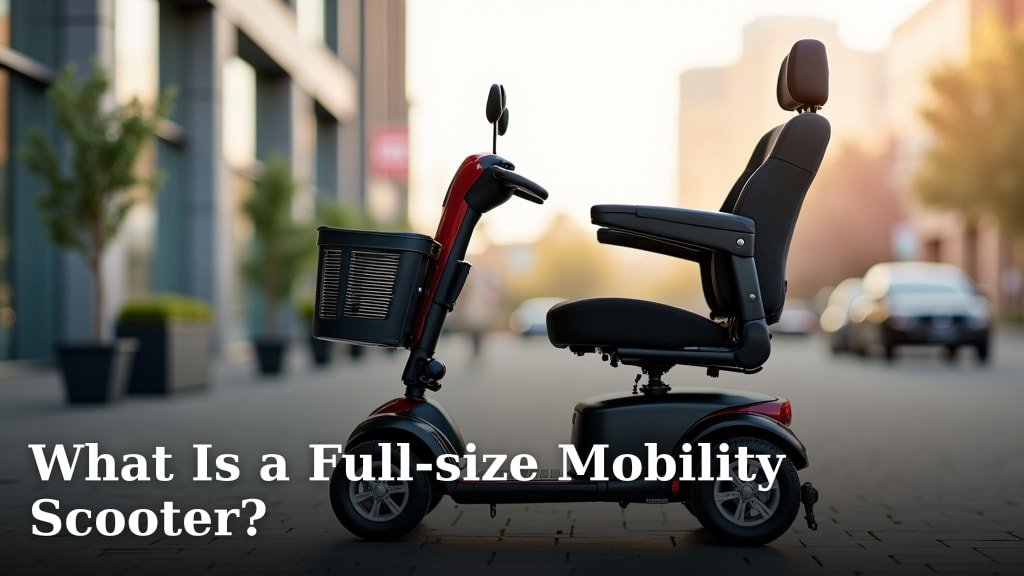
Offering the most stability, 4-wheel scooters are ideal for outdoor use and varied terrains. They provide a smoother ride and are better suited for users who need extra support or tend to travel on less-than-perfect paths. Expect prices to start around $1,800 and go up from there, especially for heavy-duty models.
Heavy-Duty/All-Terrain Scooters
These are the workhorses of the scooter world. They are built for durability and performance in challenging environments. They boast more powerful motors, larger tires, and advanced suspension systems. They can handle longer distances and rougher ground. As you might guess, these are typically the most expensive, often ranging from $2,500 to $4,000 or more.
Features and Technology
Just like smartphones, mobility scooters can be packed with features that add to the cost. Think about what’s important for your daily life.
Battery Life and Range
Longer range batteries mean you can travel further without needing a recharge. Scooters with higher-capacity batteries will naturally cost more. We found that manufacturers often specify the maximum range per charge, so check this carefully.
Speed and Power
A more powerful motor allows for higher top speeds and better performance on inclines. If you need to keep up with faster walkers or navigate hilly areas, you’ll want a scooter with a more robust motor, which increases the price.
Comfort and Ergonomics
Upgraded seating, adjustable armrests, ergonomic tiller controls, and advanced suspension systems all contribute to a more comfortable ride. These enhancements add to the cost but can make a big difference in your daily experience. Many experts suggest prioritizing comfort for longer use (Cleveland Clinic).
Safety Features
Advanced lighting systems, turn signals, rearview mirrors, and robust braking systems enhance safety. Scooters with more comprehensive safety features may cost a bit more, but they are well worth the investment for peace of mind.
New vs. Used Mobility Scooters: A Cost Comparison
Deciding between a new or used scooter is a common dilemma. Both have pros and cons regarding price and condition.
Buying New
Purchasing a new scooter offers the advantage of a full manufacturer’s warranty and the latest features. You know the exact condition of the unit, and it hasn’t been used or potentially damaged by a previous owner. This offers the most security, especially for a significant purchase like this.
The downside, of course, is the cost. New scooters represent the highest upfront investment. However, for many, the warranty, reliability, and peace of mind are worth the extra expense. We found that many people prefer new for the guarantee it offers.
Buying Used
A used mobility scooter can be a fantastic way to save money. You can often find a gently used model for a fraction of its original price. This allows you to potentially afford a higher-end model than you might be able to buy new.
However, buying used comes with risks. You need to be cautious. Check the scooter thoroughly for any signs of wear and tear. Ask about the battery’s age and condition, as batteries are expensive to replace. You may not get a full warranty, or any warranty at all. We recommend buying used only from reputable sources or after a thorough inspection.
Don’t Forget About Additional Costs
The sticker price isn’t always the final price. There are a few other expenses to consider that can affect your overall budget.
Maintenance and Repairs
Like any mechanical device, mobility scooters require maintenance. Tires may need replacing, batteries will eventually need to be swapped out, and mechanical parts can wear down over time. Researching the cost of common replacement parts for the model you’re considering is wise. Some users opt for a service plan or extended warranty to cover unexpected repairs.
Accessories
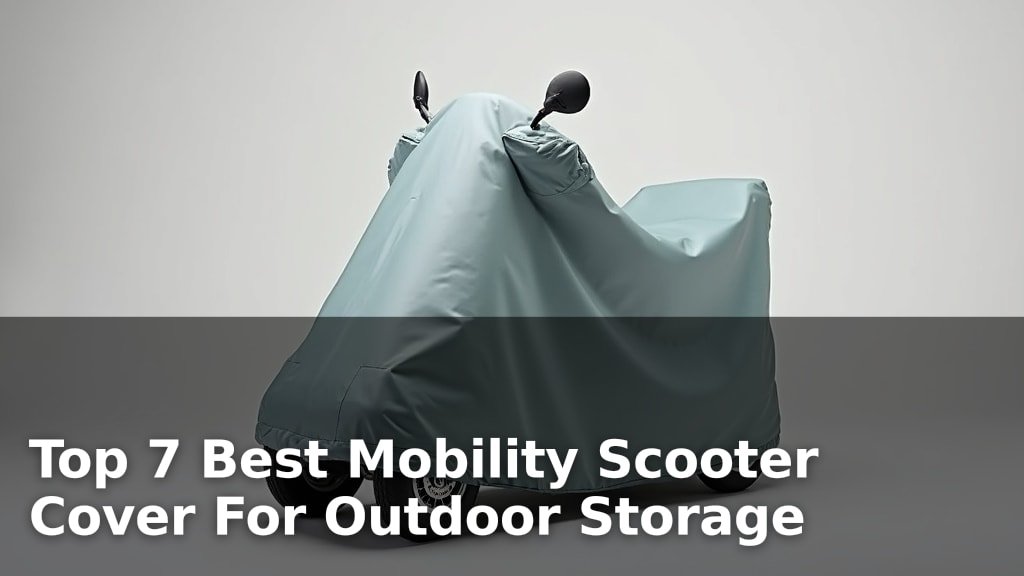
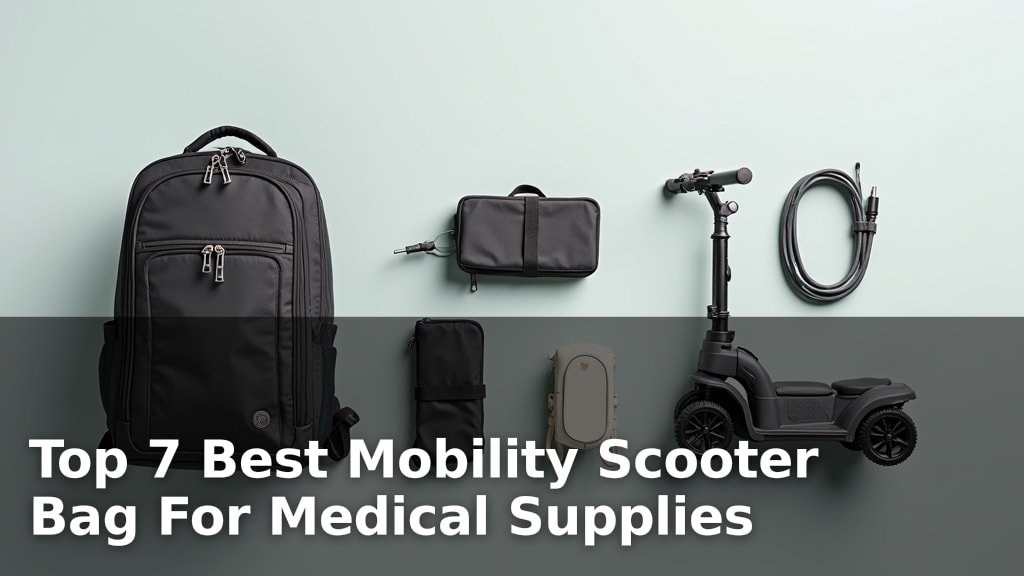
You might want to add accessories to enhance your scooter’s functionality or comfort. These can include things like a storage basket, a cup holder, a weather cover, or even a ramp for your home or vehicle. These are often separate purchases and can add to the total cost.
Insurance
While not always mandatory, some users choose to insure their mobility scooter against theft or damage. This is an additional monthly or annual cost to factor in. You can often add it as a rider to your homeowner’s or renter’s insurance policy.
Making Your Decision: A Quick Checklist
To help you navigate this purchase, here’s a quick rundown of things to keep in mind:
- Your Daily Needs: How far do you typically travel? What kind of terrain will you encounter?
- Budget: Determine a realistic price range that includes potential accessories or maintenance.
- Features: Prioritize must-have features like battery range, speed, and comfort.
- Brand Reputation: Research brands known for reliability and good customer support.
- New vs. Used: Weigh the cost savings of used against the security of a new warranty.
- Additional Costs: Factor in maintenance, potential repairs, and accessories.
Conclusion
Investing in a good mobility scooter is a journey toward greater independence. We’ve seen that a quality scooter typically falls between $1,000 and $4,000. Your ideal choice hinges on balancing essential features like range and comfort with your personal budget and specific mobility needs. Consider the type of scooter that best suits your lifestyle, from portable models for quick trips to heavy-duty options for varied terrains. By carefully weighing the factors we’ve discussed, you can confidently select a scooter that enhances your daily life.
Take your time, do your research on reputable brands, and perhaps even test drive a few models. Your next step is to create a shortlist based on your top priorities and start comparing specific models within your budget.
Frequently Asked Questions
What are the most common reasons a mobility scooter might be more expensive?
More expensive scooters often feature enhanced battery life for longer travel distances. They also tend to have superior suspension systems for a smoother ride over various terrains. Advanced safety features and a more robust, powerful motor are also common in higher-priced models.
Can I negotiate the price of a mobility scooter?
Sometimes, especially with local dealers, there might be a little wiggle room on the price. It’s always worth asking about potential discounts or package deals, especially if you’re buying accessories at the same time. However, online prices are often set firmly.
How much should I budget for maintenance on a mobility scooter?
Maintenance costs can vary, but it’s wise to set aside a small amount annually. Routine check-ups, tire replacements, and eventual battery replacements are common expenses. Some users find an extended warranty helpful for covering unexpected repairs.
Are there any hidden costs associated with buying a mobility scooter?
Beyond the sticker price, consider accessories like storage baskets or weather covers, which are usually extra. If you plan to transport your scooter, you might also need a vehicle ramp or lift. Insurance is another potential additional cost.
Is it cheaper in the long run to buy a used scooter than a new one?
Buying used can offer significant upfront savings, allowing you to afford a better model for less. However, you need to be cautious about the battery’s condition and potential wear and tear. If a used scooter requires frequent repairs or a new battery soon after purchase, it might end up costing more than a new one.