
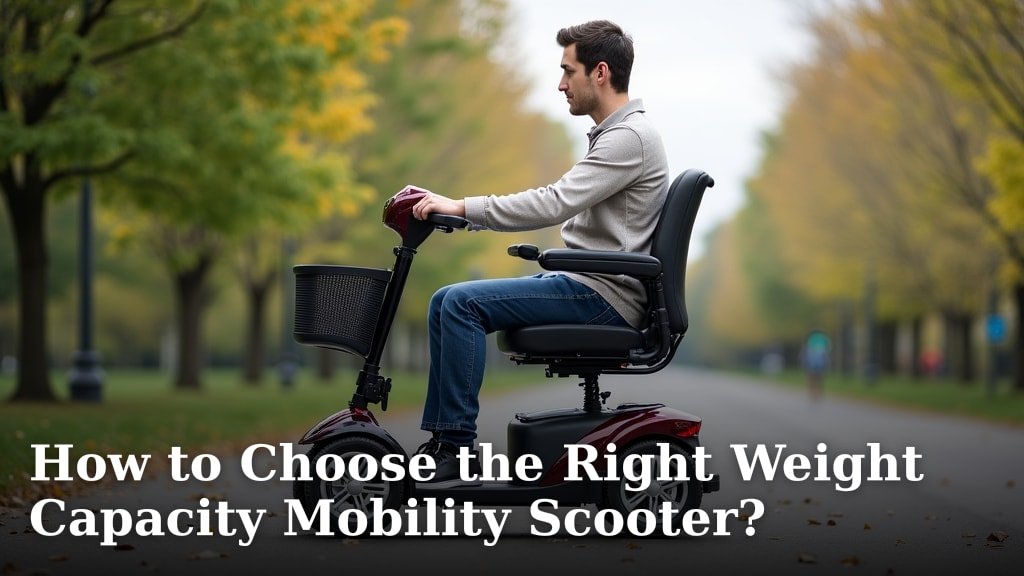
Choosing the right weight capacity for your mobility scooter means ensuring you have a safe and reliable ride. You need to match the scooter’s limit to your personal weight, plus any extra gear you’ll carry, like groceries. Many people overlook this, leading to performance issues or safety concerns. So, picking a scooter with enough weight capacity is key.
Your mobility scooter is more than just a transport tool; it’s your ticket to independence. The weight capacity directly impacts its performance and longevity. Going over this limit can strain the motor and battery. We found that many models are designed with specific weight ranges in mind for optimal function. Understanding these limits helps you make a smart purchase.
- Know your body weight plus any items you carry.
- Check the scooter’s maximum weight capacity.
- Don’t exceed the recommended limit for safety.
- Proper selection ensures better performance and lifespan.
Ready to find a scooter that fits your needs perfectly? Let’s walk through how to determine the ideal weight capacity for your new mobility aid.
So, you’re looking for a mobility scooter and wondering about the weight capacity? That’s a super smart question to ask! It’s like picking the right-sized backpack for a big hike. Too small, and it’s going to be a struggle. Too big, and it might be awkward. Let’s make sure your scooter is just right for you.
Understanding Your Mobility Scooter’s Weight Limit
Your mobility scooter’s weight capacity is the maximum load it can safely carry. This includes your body weight, plus anything you might put on the scooter. It’s a critical number for safety and performance. We found that ignoring this limit can lead to breakdowns or accidents.
Why Weight Capacity Matters So Much
Think of the scooter’s motor and frame like the muscles and bones of a person. They’re designed to handle a certain amount of stress. Exceeding the weight limit puts too much strain on these components. This can cause the motor to overheat or the frame to bend.
Impact on Performance
When a scooter is overloaded, it won’t perform as well. You might notice it struggling on inclines or even on flat surfaces. The battery will drain much faster, meaning shorter trips and more frequent charging. It’s like trying to push a car uphill – it takes a lot more effort!
Safety Concerns
Perhaps the most important reason is safety. An overloaded scooter can be harder to steer and brake effectively. This increases the risk of tipping over, especially on uneven ground or during sharp turns. Many safety guidelines stress the importance of staying within the manufacturer’s stated limits (National Highway Traffic Safety Administration).
What’s Included in the Weight Capacity?
It’s easy to forget about all the extra things we carry. But they all add up! You need to consider your own body weight first, of course. Then, think about what else you’ll bring along for your journeys.
- Your body weight.
- Any passengers (though most scooters are for one person only).
- Groceries or shopping bags.
- Medical equipment like oxygen tanks or portable walkers.
- Personal items like a purse or backpack.
We found that people often underestimate the weight of their everyday items. A few bags of groceries can easily add 20-30 pounds! So, it’s always best to be generous with your estimates.
Calculating Your Scooter Needs
This is where you become the expert on your own needs. We’ll break down the steps to make sure you get it right. It’s straightforward and ensures you choose wisely.
Step 1: Know Your Personal Weight
This is the foundational number. You should know your current body weight. If you’re unsure, stepping on a bathroom scale is the easiest way to find out. This is the baseline for all other calculations.
Step 2: Estimate the Weight of Items You’ll Carry
Now, let’s think about your daily life and what you carry. Picture a typical outing. What do you usually bring with you? It’s helpful to do a quick mental inventory or even weigh a few common items.
Common Items and Their Approximate Weights
Here are some examples of items you might carry. Weights can vary, so these are general estimates:
- A gallon of milk: ~8.6 lbs
- A large bag of dog food: ~20-30 lbs
- A full grocery bag: ~10-15 lbs
- A typical backpack: ~5-15 lbs (depending on contents)
- A medium purse: ~2-5 lbs
- Portable oxygen tank (empty): ~5-10 lbs (full can be heavier)
We found that people often carry more than they realize. Don’t forget to include any accessories attached to the scooter, like baskets or storage containers. They add a little extra weight too.
Step 3: Add It All Up for Your Total Load
Now, it’s time for some simple addition. Take your personal weight and add the estimated weights of everything you plan to carry. This gives you your total load weight.
Total Load Weight = Your Body Weight + Weight of Items Carried
For example, if you weigh 200 lbs and plan to carry groceries weighing about 20 lbs, your total load is 220 lbs. This number is what you’ll use to compare against scooter capacities.
Selecting a Scooter with Adequate Capacity
Once you have your total load weight, you can start looking at scooters. You want to find a model that can comfortably handle more than just your calculated weight.
Understanding Different Capacity Levels
Mobility scooters come in various weight capacities. These are typically categorized by the scooter’s intended use and build:
| Scooter Type | Typical Weight Capacity Range (lbs) | Best For |
|---|---|---|
| Lightweight/Travel Scooters | 150 – 250 lbs | Occasional use, easy transport, lighter individuals. |
| Mid-Size/Standard Scooters | 250 – 350 lbs | Everyday use, moderate travel, most common user needs. |
| Heavy-Duty/Large Scooters | 350 – 500+ lbs | Frequent use, rougher terrain, individuals needing higher capacity. |
We found that most mid-size scooters are a good fit for a wide range of users. They offer a good balance of features and capacity.
The Importance of a Safety Buffer
It’s crucial to buy a scooter with a weight capacity that is higher than your calculated total load. Experts recommend a buffer of at least 25-50 lbs.
Why a buffer? This ensures the scooter isn’t constantly operating at its absolute limit. A buffer prevents excessive wear and tear on the motor and battery. It also maintains better performance, especially when going uphill. Think of it as giving the scooter a little breathing room.
So, if your total load is 220 lbs, aiming for a scooter with at least a 275 lbs capacity would be ideal. This gives you a good 55 lbs buffer. This is a smart move for the scooter’s longevity.
Don’t Forget About Rider Height and Comfort
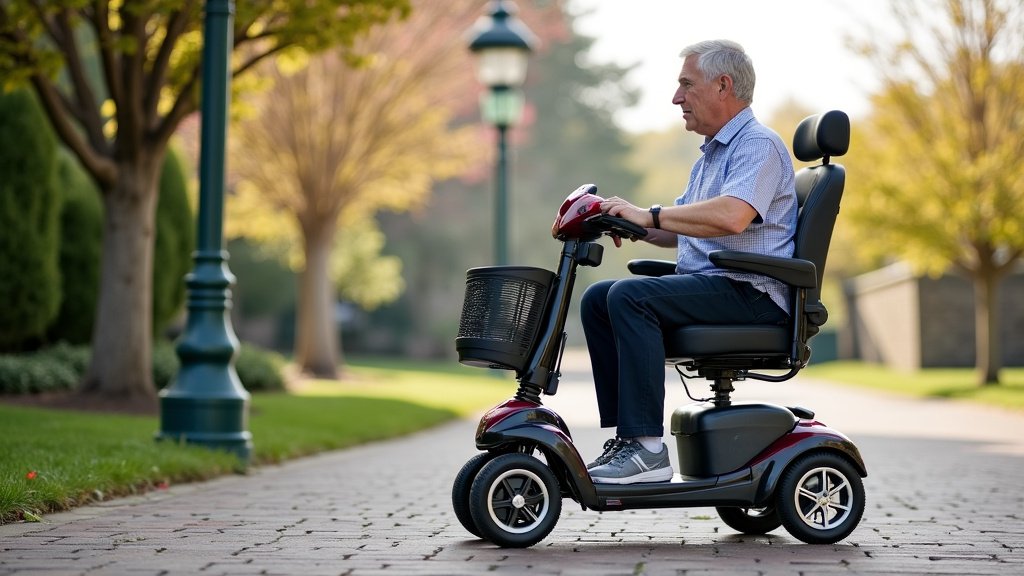
While weight capacity is vital, it’s not the only factor. You also need a scooter that’s comfortable for your height. The seat height, tiller angle, and legroom are all important. A scooter that’s too small or too big for your frame, even if it meets weight needs, can be uncomfortable and lead to strain.
Checking the Manufacturer’s Specifications
Always refer to the official specifications provided by the scooter manufacturer. This information is usually found in the user manual or on the company’s website. These specs are based on engineering tests and safety standards.
Where to Find This Information
You can typically find the weight capacity listed in the product description or technical specifications section. Most reputable dealers will also have this information readily available. If you’re shopping in person, don’t hesitate to ask a sales associate.
What If You’re Close to the Limit?
If your total load weight is very close to a scooter’s stated capacity, it’s usually best to look for a model with a higher limit. It’s far better to have a little extra capacity than not enough. We found that users are happiest when their scooter performs effortlessly, not struggles.
Remember, the weight capacity is a safety guideline. Operating a scooter consistently at or over its limit can void the warranty and lead to premature component failure. A little extra capacity goes a long way.
Final Checklist for Choosing Your Scooter’s Weight Capacity:
- Weigh yourself accurately.
- List all items you’ll regularly carry.
- Estimate the weight of these items.
- Calculate your total expected load.
- Choose a scooter with a capacity 25-50 lbs above your total load.
- Always check the manufacturer’s official specifications.
Conclusion
You’re now equipped to make a well-informed decision about your mobility scooter’s weight capacity. Remember, your safety and the scooter’s performance depend on matching your total load to the right specifications. By accurately calculating your needs and adding that essential safety buffer, you ensure a reliable and comfortable ride. This careful selection is key to regaining and maintaining your independence with confidence. Take your time, do your calculations, and choose a scooter that truly supports your lifestyle!
Frequently Asked Questions
What happens if I exceed my mobility scooter’s weight limit?
Exceeding your scooter’s weight limit can strain the motor and battery, leading to reduced performance and shorter travel distances. We’ve found this can also put undue stress on the frame, potentially causing premature wear or even damage.
How often should I check my mobility scooter’s weight capacity?
You only need to calculate your total load weight once when selecting a new scooter. After that, it’s about ensuring you don’t regularly carry more than you planned for. Consistency is more important than frequent checks.
Are mobility scooter weight capacities estimates or strict limits?
The manufacturer’s weight capacity is a safety guideline based on engineering tests. While there might be slight variations, consistently operating near or over the limit can impact performance and safety. It’s best to have a comfortable buffer.
Does the type of terrain affect the scooter’s weight capacity?
Yes, while the stated weight capacity is for general use, inclines and rough terrain put more strain on the motor. We found that operating on hills with a heavy load can feel much harder for the scooter.
Can I use a mobility scooter with a higher weight capacity than I need?
Absolutely! Choosing a scooter with a higher weight capacity than your calculated needs provides a great safety buffer. This ensures the scooter operates efficiently and lasts longer, giving you peace of mind.
