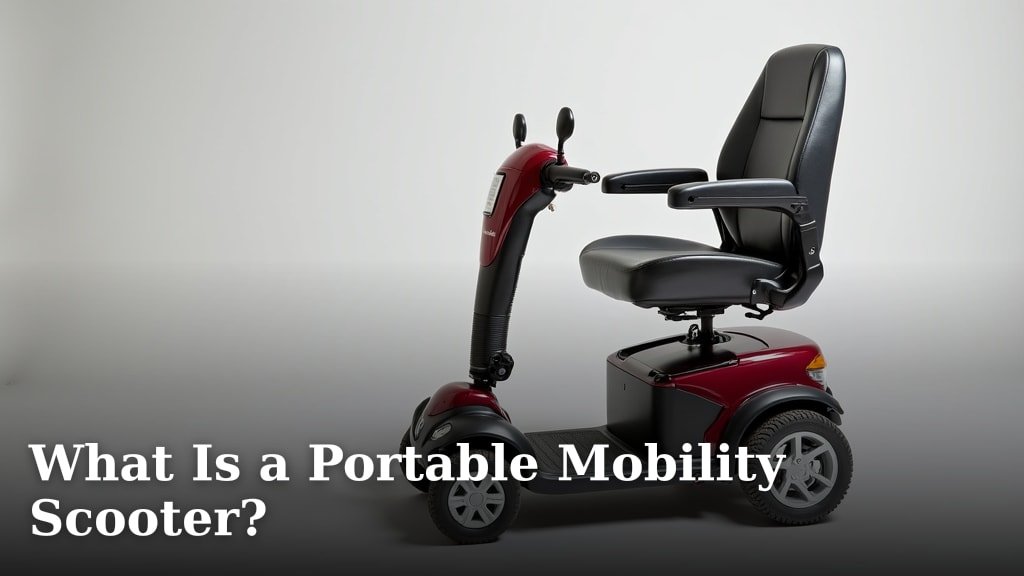
How to Ride a Mobility Scooter on Hills?
On this page (3 sections)
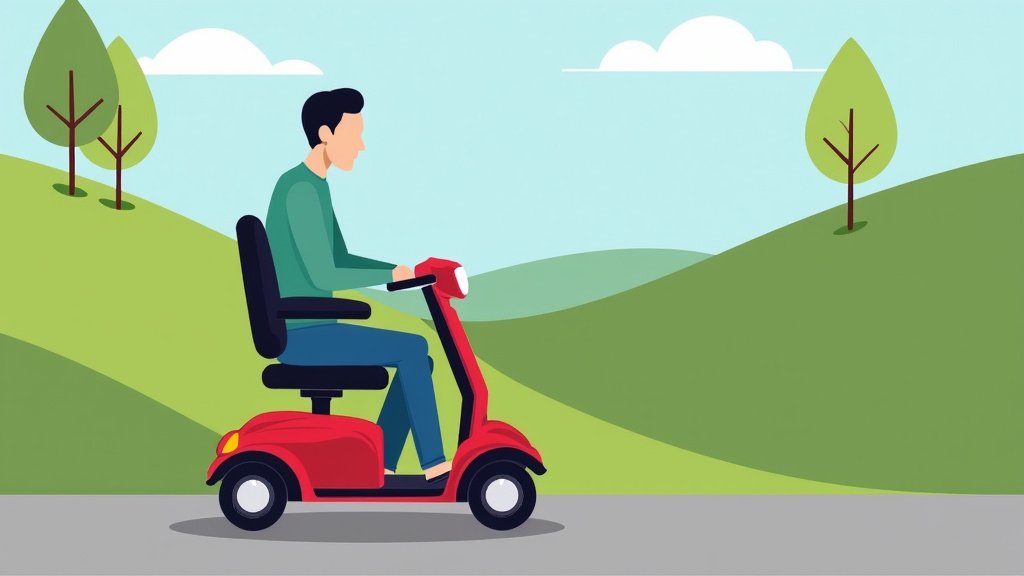
To ride a mobility scooter on hills, you should always check your scooter’s incline rating first. Most scooters can handle gentle slopes, but steeper hills require more power. Always approach hills slowly and directly, never at an angle.
Hills can be tricky for any vehicle, and mobility scooters are no exception. We found that understanding your scooter’s limits is key to a safe ride. You want to feel secure and in control, whether you’re going up or down. Your safety and comfort are what matter most.
- Always check your scooter’s incline rating before riding on hills.
- Approach hills slowly and head-on for stability.
- Understand braking techniques for safe descents.
- Consider the battery impact of hill climbing.
- Be aware of surfaces and potential obstacles on slopes.
Let’s walk through exactly how to safely and confidently ride your mobility scooter on hills. You’ll learn the best practices and what to look out for.
Navigating Inclines with Your Mobility Scooter
Understanding how your mobility scooter handles hills is essential for a safe and confident ride. It really boils down to knowing your equipment and using smart techniques.
Understanding Your Scooter’s Hill-Climbing Capabilities
Not all scooters are built the same, especially when it comes to hills. Just like cars, some are better at certain terrains than others. What works for a flat park path might not be enough for a steep driveway.
Checking the Incline Rating
The first thing to do is consult your scooter’s manual. We found that every mobility scooter has an “incline rating” or “gradient capability.” This number, usually a percentage or degree, tells you the steepest slope your scooter can safely manage. Trying to go beyond this limit can be risky for you and your scooter.
Think of it like a speed limit sign; it’s there for a reason. If your manual is missing, you can often find this information on the manufacturer’s website. If you’re unsure, it’s always best to contact the dealer or manufacturer directly.
Factors Affecting Performance on Hills
Several things can change how well your scooter climbs. Your weight, the scooter’s weight, the battery charge, and even the type of surface all play a role. A fully charged battery will perform better than one that’s nearly empty.
Also, surface friction is important. A paved road offers more grip than a gravel path. We found that these small details make a big difference when heading uphill or downhill.
Techniques for Safely Ascending Hills
Going up a hill requires a little thought and preparation. You want to maintain stability and control throughout the climb. It’s not a race; slow and steady wins here.
Approaching the Incline
Always approach a hill straight on, not at an angle. This keeps all your wheels equally weighted and reduces the chance of tipping. Approaching sideways can make your scooter unstable, especially on steeper slopes.
Start your ascent slowly. Suddenly hitting the accelerator might cause a jolt or even a momentary loss of traction. A gentle, steady speed is your best friend when facing an incline.
Maintaining Momentum and Speed
Once you start climbing, try to maintain a consistent, moderate speed. Speeding up or slowing down too much can affect your stability. Your scooter’s motor works harder on hills, so give it a chance to do its job without sudden demands.
If your scooter starts to struggle or slow down excessively, it might be a sign the hill is too steep for it. It’s better to turn around and find a different route than to push your scooter past its limits.
What if Your Scooter Can’t Make It?
Sometimes, despite your best efforts, a hill is just too much. Don’t feel bad! It happens. If your scooter stops or struggles, slowly back down the hill if possible, or turn around if you can do so safely and easily.
It’s always smart to plan your routes to avoid overly steep inclines if you know your scooter has limitations. A quick check on a map app can often show you elevation changes. We found this often saves a lot of frustration.
Safe Descent Strategies for Hills
Going down a hill can sometimes feel scarier than going up. Gravity is working with you, but you need to stay in control of your speed. Safety is the top priority here, even more so than going up.
Controlling Your Speed
When going downhill, you should always descend slowly. Resist the urge to let gravity do all the work and pick up speed. Most mobility scooters have an automatic braking system that engages when you release the accelerator, but it’s really important not to rely solely on that system for steep descents.
Instead, feather the accelerator, letting off it frequently to allow the scooter to slow, then gently re-engaging to maintain a consistent slow speed. This technique helps you stay in command of your ride and prevents unexpected jerking motions. Think of it like walking down a slippery slope – you take small, controlled steps.
Avoiding Sudden Braking
Just like going up, approaching a descent straight on is best. If you need to slow down more, release the accelerator smoothly and gradually. Avoid slamming on the brakes if your scooter has a manual brake, as this can cause a sudden stop or even a loss of balance.
We found that sudden stops can be quite jarring and unsettling. Smooth, controlled movements are always safer. If you feel like you’re losing control, gently ease off the accelerator and let the scooter’s automatic braking system do its work gradually.
Battery Performance and Hills
Hills are a bit of a workout for your scooter’s battery. We learned that they drain power much faster than riding on flat ground. Understanding this helps you plan your trips better.
Impact on Battery Life
Imagine climbing a flight of stairs versus walking across a flat room. One takes a lot more effort, right? The same goes for your scooter’s battery. Going uphill demands more power from the motor, which uses up battery charge quicker. This is a common finding in many user guides.
Descending a hill can also use battery power, though usually less than ascending, especially if your scooter has a regenerative braking system, which some advanced models do. For most scooters, simply powering the motor for controlled descent still consumes energy.
Planning for Longer Trips with Hills
If your route includes a lot of hills, you’ll want to start with a full charge. It’s also a good idea to know the range of your battery. That way, you won’t get caught out with a low battery far from home. We generally recommend taking a charging cable or portable battery pack if you’re planning a very long journey with steep sections.
Consider carrying your charger if possible. It’s peace of mind to know you have a backup plan. A good rule of thumb is to factor in a 20-30% reduction in your usual range if your journey involves significant inclines (Mobility Management Magazine).
Environmental Considerations on Slopes
The ground beneath your wheels matters, especially on hills. What looks harmless on flat ground can become a challenge when gravity is pulling at you.
Surface Types and Traction
Rough or loose surfaces like gravel, grass, or wet leaves can significantly reduce traction on a hill. A smooth, dry paved surface offers the best grip. Be extra careful if you encounter slippery conditions. It’s always better to avoid these surfaces if you can, especially on an incline. We found that “when in doubt, don’t” is a good motto here.
Think about how your car tires grip the road. Your scooter’s tires work similarly. If the surface isn’t good, your tires can slip, which is the last thing you want on a slope.
Obstacles and Uneven Terrain
Potholes, cracks, tree roots, or even small rocks can become major hazards on a hill. They can throw your balance off or even cause a tip-over. Always scan the path ahead for any obstacles. If you encounter something you can’t go over smoothly, it’s best to find an alternate, safer route. We often advise taking the path of least resistance.
Uneven terrain can also put extra stress on your scooter’s frame and motor. Going over bumps on a hill is different from doing so on flat ground. Exercise extreme caution.
Pre-Ride Hill Safety Checklist
Before you even think about tackling a hill, a quick check can save you a lot of trouble. This simple checklist helps you stay prepared and safe.
- Check your battery level: Is it fully charged, especially if hills are involved?
- Review your scooter’s manual: Do you remember its incline rating?
- Inspect tires for proper inflation: Good pressure means better traction.
- Test brakes: Are they responsive and working correctly?
- Plan your route: Can you avoid overly steep slopes?
- Assess surface conditions: Is the path clear and dry?
| Hill Scenario | Recommended Action | Why It Matters |
|---|---|---|
| Approaching Uphill | Approach head-on, slow, steady speed. | Prevents tipping and maintains stability. |
| Descending Downhill | Go very slowly, feather the accelerator. | Maintains control; avoids sudden stops. |
| Loose Surface (Gravel, Wet Leaves) | Avoid if possible; proceed with extreme caution if not. | Poor traction increases slip risk. |
| Low Battery & Hills | Avoid hills or plan for charging. | Battery drains much faster on inclines. |
| Unforeseen Obstacle on Hill | Slow down, navigate around or reverse slowly. | Prevents imbalance or scooter damage. |
Conclusion
You now have the knowledge and strategies to confidently approach hills on your mobility scooter. Remember, understanding your scooter’s incline rating, using slow and direct approaches, and mastering controlled descents are key. We found that a little preparation and careful planning go a long way in ensuring your safety and extending your scooter’s battery life.
Always prioritize safety over speed. Take what you’ve learned here and apply it to your next outdoor adventure. Go out there and explore with confidence!
Frequently Asked Questions
How can I tell if a hill is too steep for my scooter?
The best way is to check your scooter’s manual for its “incline rating” or “gradient capability.” This tells you the maximum percentage or degree of slope your scooter can safely handle. If the hill appears steeper than this rating, it’s generally too steep.
Does the type of wheel or tire affect hill performance?
Yes, absolutely. Knobby or air-filled tires often provide better traction on varied surfaces compared to solid, smooth tires. Wider tires can also offer more stability. Always ensure your tires are properly inflated for optimal grip.
Is it better to go up a hill faster or slower?
When ascending a hill, it’s best to maintain a slow, consistent speed. Approaching too fast can be jarring, and going too slow might cause your scooter to struggle. A steady, moderate pace helps maintain stability and gives your motor a chance to work efficiently.
Can going downhill recharge my scooter’s battery?
Some advanced mobility scooters come with “regenerative braking” systems that can slightly recharge the battery when going downhill. However, most standard scooters do not have this feature. For most, you’ll still use some battery power to control your descent.
What should I do if my scooter gets stuck halfway up a hill?
If your scooter struggles or stops on a hill, do not force it. If it’s safe to do so, gently and slowly back down the hill. If reversing isn’t an option, or if you feel unstable, turn off the scooter and call for assistance. It’s always better to be safe than risk a fall.