
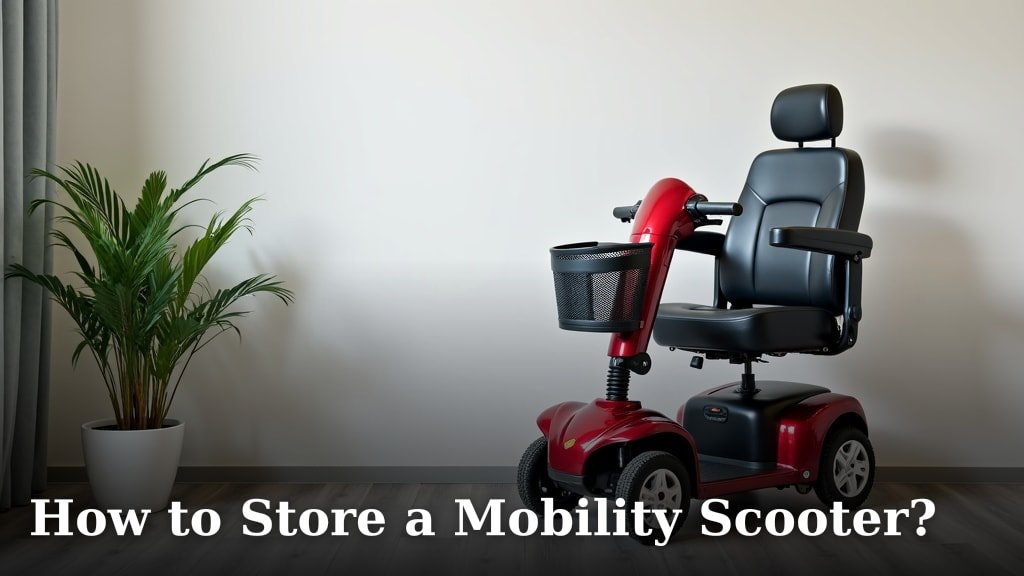
The easiest way to store a mobility scooter is by keeping it in a dry, temperature-controlled environment, ideally indoors, to protect its battery and components. You’ll want to ensure the battery stays charged and avoid extreme hot or cold temperatures.
Proper storage is vital to extend your scooter’s lifespan and keep it running smoothly. Many people wonder about the best practices, from short-term parking to long-term hibernation. We found that a little planning goes a long way in protecting your investment.
- Store indoors or in a sheltered spot.
- Keep the battery charged, especially monthly for long-term storage.
- Clean your scooter before storing it.
- Protect tires from flat spots.
- Cover your scooter to keep it dust-free.
Let’s walk through exactly how this works step by step, so your mobility scooter is always ready when you are.
Preparing Your Mobility Scooter for Storage
Getting your mobility scooter ready for storage isn’t difficult, but it does require a few thoughtful steps. Think of it like putting your car away for the winter. You want to make sure it comes out in top condition. We found that a little preparation saves a lot of hassle later on.
Cleaning Before Storage
Before you tuck your scooter away, a good clean is essential. Why clean something that’s just going to sit there? Because dirt and grime can actually damage components over time, and a clean scooter is easier to inspect.
- Wipe down all surfaces with a damp cloth.
- Use a mild soap if needed, but avoid harsh chemicals.
- Clean the tires to remove any stuck-on debris.
- Check for any visible damage like loose wires or worn tires.
- Make sure everything is completely dry before storing to prevent rust or mildew.
Battery Care for Longevity
Your scooter’s battery is its heart. Proper battery care during storage is perhaps the most important step you can take. Neglecting it can lead to a dead battery, and replacement can be costly. We found consistent charging is key (Battery Council International).
For Short-Term Storage (Less Than a Month)
If you’re only storing your scooter for a few weeks, the process is straightforward. You’ll want to charge the battery fully before storing. Then, just check on it periodically.
- Charge the battery to 100%.
- Disconnect the charger.
- Check the charge level weekly if possible.
For Long-Term Storage (More Than a Month)
For longer periods, you’ll need a different approach. The goal is to prevent the battery from fully discharging, which can cause permanent damage. Nobody wants to find a completely dead battery after a long winter!
- Charge the battery fully before storage.
- Disconnect the battery from the scooter if your owner’s manual suggests it.
- Recharge the battery at least once a month for 12-24 hours. Some experts even recommend every two weeks.
- Keep the battery in a cool, dry place, away from extreme temperatures.
You might be wondering, “Should I just leave it on the charger?” Not usually. Continuous charging can sometimes overcharge and damage certain battery types. Always follow your scooter’s manufacturer recommendations for battery maintenance.
Ideal Environments for Mobility Scooter Storage
Where you store your scooter matters almost as much as how you prepare it. The right environment protects your investment from the elements and keeps it ready for action. Think of it like finding a cozy spot for a pet – comfortable and safe.
Indoor Storage Options
Indoors is almost always the best choice. It offers the most protection from weather, temperature swings, and pests. Plus, it’s convenient!
Garages and Sheds
Garages and sheds are common indoor storage spots. They work well, but you still need to be mindful of temperature and humidity. An unheated garage can get very cold in winter and very hot in summer.
- Ensure the space is dry and well-ventilated.
- Consider using a small space heater or dehumidifier if the conditions aren’t ideal.
- Protect against dust and critters with a good cover.
Inside Your Home
Storing your scooter inside your home is ideal for battery health and overall protection. The stable temperature and dryness of your living space are perfect. This might not be possible for everyone, but if you have the space, it’s a great option.
- Find a corner or closet where it won’t be in the way.
- Keep it away from direct sunlight or heat sources.
- A cover is still a good idea to keep it dust-free.
Outdoor Storage Considerations
Sometimes, indoor storage just isn’t an option. If you must store your scooter outdoors, you’ll need to take extra precautions. It’s like preparing for a camping trip in rough weather – you need to be prepared for anything.
| Aspect | Indoor Storage (Best) | Outdoor Storage (Needs Care) |
|---|---|---|
| Temperature | Stable, room temperature | Fluctuates, extreme hot/cold |
| Humidity | Low and consistent | High, potential for dampness |
| Protection | Excellent from elements, theft | Requires covering, higher theft risk |
| Battery Life | Optimized | More prone to degradation |
Protective Covers
A good quality cover is non-negotiable for outdoor storage. It’s your scooter’s first line of defense. Look for covers designed specifically for mobility scooters.
- Choose a waterproof and UV-resistant cover.
- Ensure it fits snugly to prevent wind from blowing it off.
- Look for covers with vents to prevent moisture buildup underneath.
Elevating Your Scooter
If storing outdoors, try to get your scooter off the ground. This helps prevent moisture from seeping up from the concrete or ground. A simple wooden pallet can do wonders. It’s like putting your furniture on blocks during a flood – keeping it dry.
- Use a wooden pallet or sturdy blocks.
- Ensure the surface is level and stable.
- This also helps with tire pressure maintenance.
Maintaining Components During Storage
Beyond the battery, other parts of your scooter also need attention during storage. Thinking about these details will ensure your scooter is in perfect working order when you’re ready to ride again. It’s all part of the holistic care we preach.
Tire Care
Tires can develop “flat spots” if a scooter sits in one place for too long. Imagine a tire slowly deflating and molding to the ground. This can lead to a bumpy ride later on.
- Inflate tires to the manufacturer’s recommended pressure before storing.
- For very long-term storage, consider placing the scooter on blocks so the wheels are off the ground.
- Alternatively, rotate the tires slightly every few weeks to change the contact point.
Securing Loose Parts and Controls
Before covering your scooter, make sure everything is tucked away and secure. This prevents damage and keeps things tidy. Think of it like cleaning up your desk before leaving for vacation.
- Fasten any loose cables or accessories.
- Remove any personal items from baskets or compartments.
- Lock the brakes if possible, or engage the parking brake.
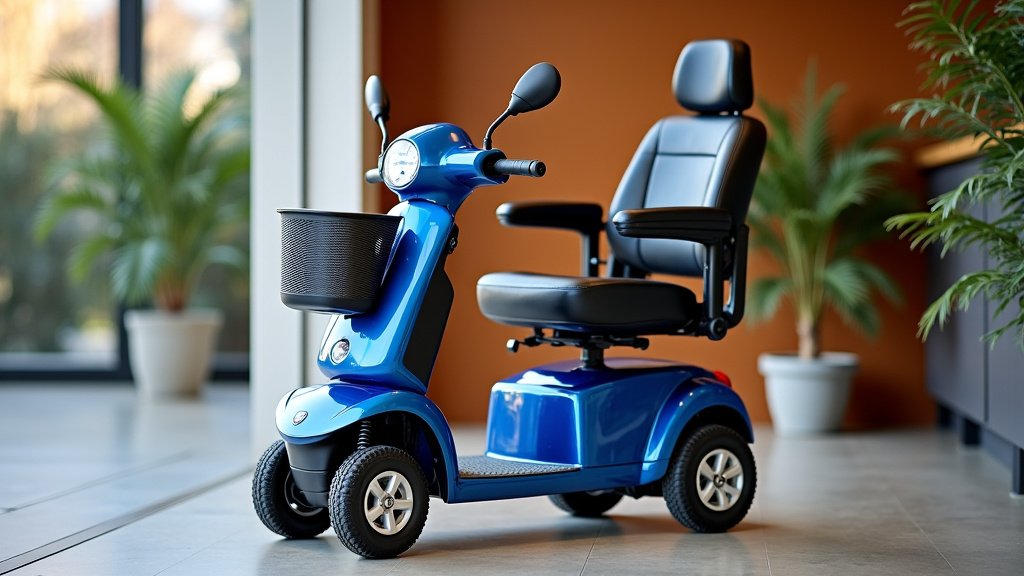
Pre-Storage Checklist for Your Mobility Scooter
Here’s a quick checklist to help you ensure you’ve covered all the bases before putting your scooter into storage. Going through these items will give you peace of mind.
- Give your scooter a thorough cleaning.
- Fully charge the battery.
- Inflate tires to the correct pressure.
- Find a dry, temperature-stable storage location.
- Cover your scooter with a breathable, protective cover.
- Set a reminder to periodically charge the battery (monthly for long-term).
Conclusion
Taking good care of your mobility scooter during storage is a smart move that truly pays off. By following these simple steps, from thorough cleaning and proper battery maintenance to choosing the right storage environment, you’ll protect your investment. We found that proactive care helps prevent common issues, saving you time and money in the long run. So, get your scooter ready for its downtime, and you’ll ensure it’s always ready to roll when you are.
Frequently Asked Questions
How often should I charge my mobility scooter battery during long-term storage?
For long-term storage (more than a month), you should recharge your mobility scooter battery at least once a month for 12-24 hours. Some experts even recommend every two weeks. This prevents the battery from completely discharging, which can cause permanent damage.
Can I store my mobility scooter outside if I don’t have indoor space?
Yes, but it requires extra precautions. If you must store your scooter outdoors, use a waterproof and UV-resistant cover. Also, try to elevate it off the ground using a wooden pallet to protect it from moisture. Be mindful that outdoor storage can still impact battery life and overall component health.
Why is it important to clean my mobility scooter before storing it?
Cleaning your scooter before storage helps prevent dirt and grime from damaging components over time. It also allows you to inspect for any existing issues like loose wires or worn tires. Ensuring everything is completely dry after cleaning helps prevent rust and mildew.
How do I prevent flat spots on my mobility scooter’s tires during storage?
To prevent flat spots, inflate your tires to the manufacturer’s recommended pressure before storage. For very long periods, you can place the scooter on blocks so the wheels are off the ground. Another option is to rotate the tires slightly every few weeks to change their contact point with the ground.
Is it okay to leave my mobility scooter continuously plugged into the charger during storage?
Generally, no. Continuous charging can sometimes overcharge and damage certain types of batteries. Always refer to your scooter’s owner’s manual for specific battery maintenance recommendations. It’s usually best to charge fully, then disconnect, and recharge periodically.
