Rollator vs Wheelchair: Which Do You Need? (November 2026)
Choose a rollator if you can walk while steering and braking it; choose a wheelchair if you need seated mobility. Your stamina, balance, routes and transfer needs help decide which fits.
On this page (7 sections)
- Wheelchair vs rollator: what is the main difference?
- Who should choose a rollator?
- Who should choose a wheelchair?
- What should you consider before switching from a rollator to a wheelchair?
- How do rollator and wheelchair safety needs differ?
- Which wheelchair vs rollator choice fits your day?
- Sources and references
Choose a rollator if you can walk while steering and braking it; choose a wheelchair if you need seated mobility. In a wheelchair vs rollator decision, consider how far you walk, whether you can control the aid, and who can help during outings.
A rollator is a wheeled walker with hand brakes and usually a seat for rests. A wheelchair supports you while seated, either through self-propulsion or help from someone pushing.
The best fit depends on your abilities and routine, not age alone. If you are unsure whether walking with a rollator is safe, ask a clinician or mobility specialist to assess your needs.
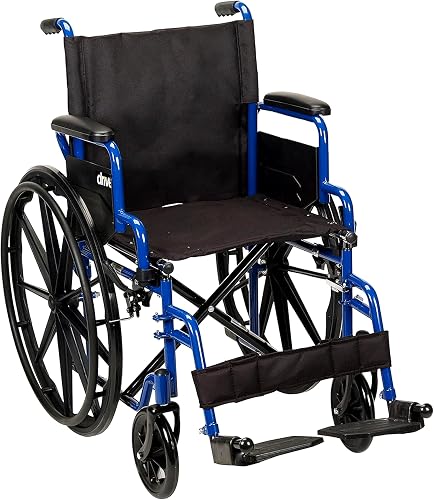 Best for daily wheelchair use
Drive Medical Blue Streak Lightweight Wheelchair
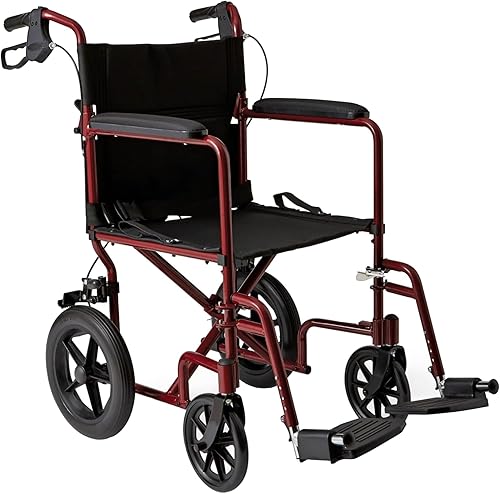 Best for caregiver-led outings
Medline Lightweight Foldable Transport Wheelchair with Handbrakes
Wheelchair vs rollator: what is the main difference?
A rollator supports walking; a wheelchair supports seated travel. The user normally steers and brakes a rollator, while a wheelchair can be pushed by a caregiver or self-propelled if its design and the user's ability allow it.
A rollator may suit someone who can walk but benefits from a handhold and planned rest breaks. Its seat is for stopping and sitting, not for being pushed while occupied.
A wheelchair may suit someone who can't walk safely for the distance they need to cover. It can also help conserve energy on longer outings, depending on the chair and available assistance.
Is a rollator walker with a wheelchair seat the same as a wheelchair?
No, a rollator with a seat is still a walking aid. Its seat gives you somewhere to pause after setting the brakes, but it is not designed to carry you while another person pushes it.
Some combination devices convert between walking support and caregiver transport. Check that the specific model is designed for seated transport, and learn how it changes modes before using it.
If you want to compare a combination model, see our guide to the best rollator transport chair combo. For separate caregiver-pushed options, our transport chair vs rollator comparison explains how their roles differ.
Who should choose a rollator?
Choose a rollator if you can walk and safely manage the handles and brakes. It can offer a handhold, a place to rest when stopped and storage for small items, depending on the model.
A rollator walker may fit everyday trips around the home or short outings when walking remains part of your routine. Hand brakes need to be within reach, and you must be able to control the frame as you move.
The walker for seniors buying guide covers fit, features and how to compare walker styles. Consider whether you need a wheeled rollator or a different walking aid.
When might a rollator be the better fit?
A rollator may fit if you can take steps, turn the frame and stop it reliably. A seat can help you plan rests during an outing, provided you park on a stable surface and lock the brakes before sitting.
Think about your usual route. Door thresholds, uneven pavement, slopes and crowded spaces may make a rollator harder to control than it feels on a clear indoor floor.
The VOCIC Z21 has 8 in wheels, a seat and a 3-mode braking system. The Drive Medical rollator has 7.5 in wheels, a padded seat and a locking hand brake.
When should you avoid relying on a rollator?
A rollator may not be the right aid if you can't control its direction, reach its brakes or walk safely while holding the frame. It also may not fit if you need someone to transport you while seated.
If you have repeated falls, sudden changes in balance or difficulty standing, don't choose by product features alone. Ask a clinician or mobility specialist which aid fits your current abilities and whether you need training.
Who should choose a wheelchair?
Choose a wheelchair when seated mobility better fits your walking ability, stamina or route. The right type depends on whether you can propel it yourself or need a caregiver to push.
A manual wheelchair may work for someone who can self-propel or has a helper available. A transport wheelchair is designed for caregiver pushing, so it doesn't offer the same self-propulsion role as a standard manual chair.
The Drive Medical Blue Streak has caregiver push handles, swing-away footrests and flip-back desk arms. The Medline transport wheelchair has hand brakes, rear-wheel locks and detachable swing-away footrests.
How do you choose between a manual wheelchair and transport chair?
Choose a manual wheelchair if self-propulsion is part of your plan; choose a transport chair if a caregiver will push you. Confirm the chair's use, fit and transfer setup before you buy.
A transport chair can make sense for a person who needs a companion to push during outings. The Medline model includes hand brakes for the caregiver and locking rear-wheel brakes for stops and transfers.
A wheelchair with push handles may support caregiver assistance, while its overall design may suit a different mix of use than a transport chair. Check the owner's instructions and speak with a mobility specialist about safe use.
What should wheelchair users check before an outing?
Measure doorways and the space where you'll turn, then consider the route's slopes and surfaces. Plan who will push or propel the chair and how you will get in and out of vehicles.
Check the chair's fit and adjust footrests as directed. Before transfers, engage the brakes and move footrests out of the way if the chair's design allows it.
If you may need powered support for longer distances, our Best Mobility Scooter For Wheelchair Users guide covers another option. Walkers who need added support can also compare the Best Mobility Scooters for Walkers Who Need Extra Support.
What should you consider before switching from a rollator to a wheelchair?
Base a switch on the walking you can do safely and the support you need throughout the day. A longer outing may call for a different plan than moving around your home.
Ask yourself whether you can walk the route, manage the rollator's brakes, rest when needed and recover after activity. Also consider whether fatigue changes your balance or control as the day goes on.
A wheelchair can reduce the need to walk a full route, but you may need help with pushing, transfers and vehicle access. Your choice should account for the people and equipment available, not just the distance.
Can you use both a rollator and a wheelchair?
Some people use a rollator for walking and a wheelchair for longer routes or days with less stamina. The choice can depend on the setting and how your needs change over time.
Plan the transition before leaving home. A companion may need to bring the second aid, help with transfers or arrange transport that can carry it.
If weakness affects one side of your body, the right walker style can depend on how you move and what support you need. Read our hemi walker vs rollator comparison and ask a clinician which aid is suitable for you.
How do rollator and wheelchair safety needs differ?
Both aids require a fit and setup you can manage safely. Rollator users need to steer and control the brakes while walking; wheelchair users need a secure sitting position and safe transfers.
For a rollator, make sure the frame is fully open and locked before use. Check that wheels turn smoothly and brakes work, and follow the maker's instructions for sitting and adjusting the handles.
For a wheelchair, check that the brakes hold before transfers. Keep feet supported as directed and make sure the route is clear of obstacles that could catch a wheel.
Don't let someone ride on a rollator unless its instructions explicitly allow transport use. A rollator walker to wheelchair change needs a device designed for seated transport, plus practice using its conversion and brakes.
Which wheelchair vs rollator choice fits your day?
Pick a rollator if you can walk and control it; pick a wheelchair if you need to travel seated or walking isn't safe for the route. If you need both kinds of support, plan when each aid will be used and who will help.
Choose the VOCIC Z21 if its seat, 8 in wheels and brake setup fit the routes you walk. Consider the Drive Medical rollator if you want a padded seat, adjustable handles and a pouch.
Choose the Drive Medical Blue Streak for a manual wheelchair with caregiver push handles and swing-away footrests. Consider the Medline transport chair if a companion will push and needs hand brakes.
Your mobility needs can change by setting or day. Ask a clinician or mobility specialist to help assess safe walking, transfers and the kind of support you need.
Sources and references
For guidance on mobility aids, fit and safe use, consult a clinician or mobility specialist who can assess your needs in person. Read and follow the instructions supplied with the specific device you choose.
Frequently asked questions
Can a rollator replace a wheelchair?
A rollator can support walking and provide a place to rest, but it doesn't replace a wheelchair when you can't walk safely or need seated mobility for most of an outing. A rollator's seat is for resting while stopped, not for someone to push you while you sit.
Can you sit on a rollator while someone pushes it?
Don't use a standard rollator as a wheelchair or transport chair. Its seat and frame are intended for the user to sit while stopped, and a caregiver pushing it with someone seated may create a fall or equipment failure risk.
Use a chair designed for transport instead.
Does a rollator help with balance?
A rollator may provide a handhold while you walk, but it requires you to steer and use its brakes reliably. Ask a clinician or mobility specialist whether your walking and hand control are sufficient, especially if you have fallen or feel unsteady.
What is the difference between a wheelchair and a transport chair?
A wheelchair may be self-propelled or pushed, depending on its design. A transport chair is made for a caregiver to push, so check who will operate it, how you will transfer, and whether its wheels and brakes suit your outings.
Should I choose a rollator or wheelchair for long outings?
Choose based on how far you can walk safely and how much help you need. A rollator can support walking with breaks, while a wheelchair provides seated mobility.
Consider the route, caregiver availability, transfers and fatigue, then ask a health professional if you are unsure.


