
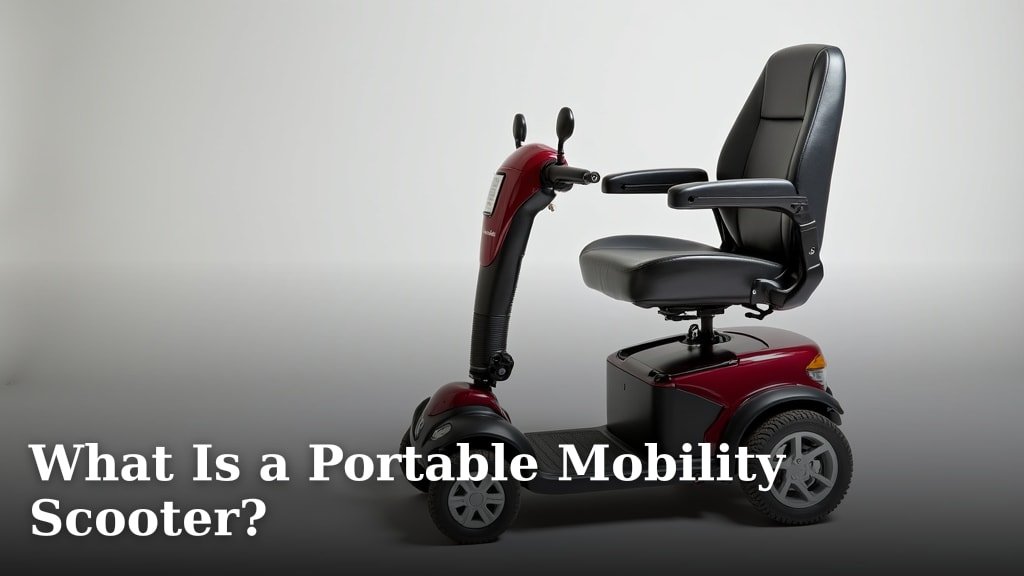
A portable mobility scooter is a personal electric vehicle designed for people who have difficulty walking. It offers a safe and independent way to get around. Think of it as your personal chariot, ready for adventure! This scooter is typically lightweight and easily disassembled for transport.
Many people find these scooters incredibly helpful for regaining their freedom. They make trips to the grocery store or visits with friends much simpler. We found that portability is key for many users, allowing them to take their scooter in a car. It’s a fantastic tool for enjoying your day with less physical strain.
- A portable mobility scooter helps you move around independently.
- It’s designed to be lightweight and easy to transport.
- These scooters make daily tasks and outings much easier.
- They offer a way to regain freedom and mobility.
If you’re curious about how these handy devices work and what makes them “portable,” you’ve come to the right place. Let’s break down exactly what a portable mobility scooter is all about.
Understanding Your Portable Mobility Scooter
So, what exactly makes a mobility scooter “portable”? It’s all about its design for easy transport. Unlike larger, heavier models, these scooters are built with lighter materials. They also often feature quick-release mechanisms. This lets you take them apart into smaller, manageable pieces. This makes fitting them into a car trunk or storage space much simpler.
Think of it like packing for a trip. You want things that are easy to handle and don’t take up too much room. A portable scooter is designed for just that. It’s a tool to help you maintain your independence when you’re away from home. Many people find this freedom to travel greatly improves their quality of life. It means you don’t have to miss out on outings or visits.
Key Features That Define Portability
Several design elements contribute to a scooter’s portability. We’ve found these are the most common aspects:
- Lightweight Construction: Using advanced, lighter-weight materials in the frame and body is a primary factor. This reduces the overall weight of each component.
- Disassembly Design: Many portable scooters can be broken down into several pieces. These pieces are usually lighter than the whole unit. This makes them easier to lift and store.
- Compact Size: They are generally smaller than their non-portable counterparts. This helps them fit into tighter spaces.
- Battery Type: The batteries used are often lighter, too. Some might use sealed lead-acid batteries, while others opt for newer lithium-ion options which are significantly lighter.
How Disassembly Works
The disassembly process is usually quite straightforward. Most models have specific release levers or pins. You simply engage these to separate the scooter into its main parts. These parts typically include the seat, tiller (handlebar assembly), battery pack, and the base with the wheels. Often, these pieces can be loaded into a car by one person, depending on their strength and the weight of the individual parts. We found that once you do it a few times, it becomes second nature. If you’re curious about how these handy devices work and what makes them “portable,” our guide on how to disassemble a mobility scooter explains the process.
The Tiller and Seat
The tiller, which houses the controls, often folds down or detaches completely. The seat is usually removable with a simple lift-off action. These are typically the largest and heaviest parts, so their easy removal makes a big difference.
The Base and Battery
The main base of the scooter, containing the motor and wheels, is usually the heaviest piece. However, its design is still manageable for most users when disassembled. The battery pack is another component that can be removed separately. This further reduces the weight of the main base unit for easier handling.
Weight Considerations for Portability
When we talk about portability, weight is a major factor. A scooter’s total weight can range from around 70 pounds to over 150 pounds. However, a portable model is designed so that no single piece weighs more than about 40-50 pounds. This is a weight that many individuals can manage to lift and transport. Always check the weight of individual components if you have specific lifting concerns.
What Can You Do With a Portable Mobility Scooter?
The primary benefit of a portable scooter is the freedom and independence it offers. You’re not tied to your home or reliant on others for transportation to nearby locations. This can be a huge emotional and practical boost.
Everyday Errands Made Easy
Imagine needing to grab groceries or pick up a prescription. With a portable scooter, you can load it into your car and drive to the store. Once there, you reassemble it in the parking lot. You can then navigate the aisles comfortably. You can bring your shopping bags back to the car without feeling exhausted or rushed. Research indicates that maintaining independence can positively impact mental well-being (NIH).
Social Engagements and Family Visits
Visiting friends or attending family gatherings becomes much more accessible. You can take your scooter with you. This allows you to move around their homes or gardens with ease. It means you can participate more fully in activities. You don’t have to worry about navigating unfamiliar environments on foot. It helps you stay connected with your loved ones and community.
Travel and Day Trips
Many people use portable scooters for day trips or even longer vacations. If you plan to travel by car, loading the scooter is generally manageable. Some people even use them at destinations like theme parks, museums, or shopping malls. Always check with your airline or cruise line in advance if you plan to travel by air or sea, as there are specific regulations for battery types and transport.
Who Benefits Most from a Portable Mobility Scooter?
These scooters are ideal for individuals who experience difficulty with walking. This might be due to age, injury, or a chronic health condition. The key is that they still have some level of mobility but need assistance for longer distances or extended periods of standing.
Limited Walking Distance and Stamina
If you can walk short distances but get tired quickly, a portable scooter can be a lifesaver. It bridges the gap between being able to walk a bit and needing full-time wheelchair assistance. It allows you to conserve your energy for other activities.
Individuals Who Drive and Travel
As we’ve discussed, if you own a vehicle and enjoy getting out, a portable scooter is a fantastic companion. Its ability to fit in a car trunk means your travel options are greatly expanded. You aren’t limited to places with mobility scooter rentals.
People Seeking a Non-Wheelchair Solution
For some, a wheelchair might feel too restrictive or cumbersome. A mobility scooter offers a more upright and active posture. It can feel less like a medical device and more like a personal transport option. Many users report feeling more “normal” and less conspicuous.
Understanding the Components of a Portable Scooter
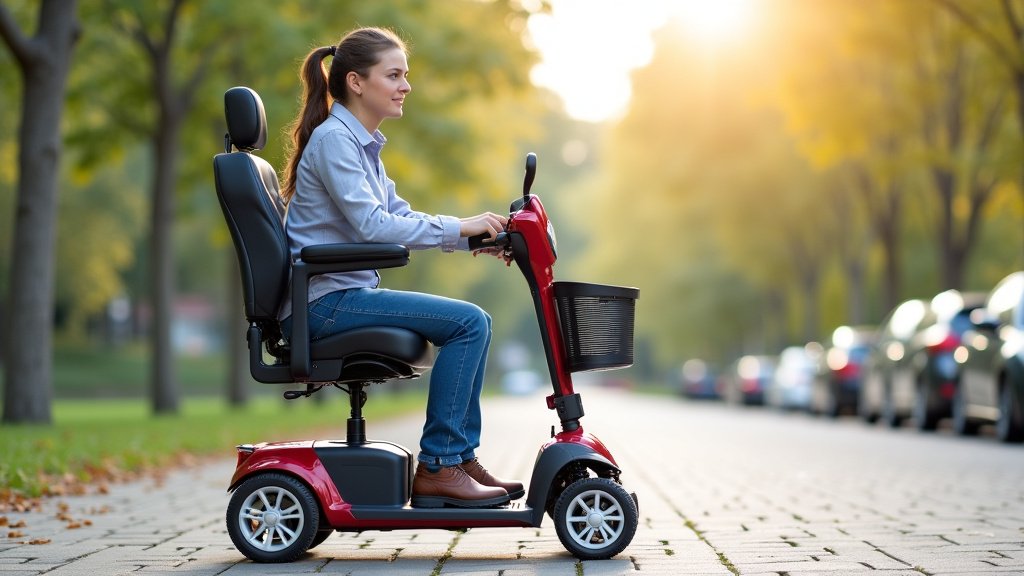
While designs vary, most portable mobility scooters share common components that contribute to their function and portability.
The Tiller and Control System
This is your steering column and dashboard. It includes the steering mechanism (handlebar), speed controls (throttle), battery indicator, and sometimes a horn or light switch. For portability, the tiller often folds down or detaches easily.
The Seat and Swivel Mechanism
Most portable scooters have comfortable, padded seats. They often swivel, making it easier to get on and off the scooter. This swivel feature is a great convenience. The seat is usually removable for transport.
The Drive Train and Motor
This is the “engine” of your scooter. It’s an electric motor powered by batteries. For portable models, the motor is designed to be efficient yet compact and lightweight.
The Batteries and Charging System
Portable scooters typically use rechargeable battery packs. These are specifically chosen for a balance of power and weight. They charge using a standard wall outlet. We’ve found that understanding battery life is key to planning your day.
The Frame and Wheels
The frame provides the structure. The wheels allow for movement. Portable scooters often have smaller, solid tires that don’t require inflation and are less prone to flats. This adds to their reliability for transport and use.
What to Consider When Choosing a Portable Scooter
When you’re looking for the right portable mobility scooter, there are a few key things to think about. Getting these right will ensure you find a scooter that truly fits your lifestyle.
| Feature to Consider | Why It Matters for Portability | What to Look For |
|---|---|---|
| Weight of Components | Determines if you can lift and transport it yourself. | No single piece should be heavier than you can comfortably lift. |
| Disassembly Ease | Affects how quickly and easily you can pack it up. | Look for simple levers, quick-release pins, or a few steps. |
| Overall Size | Needs to fit into your car’s trunk or storage area. | Measure your space and compare it to the scooter’s dimensions when disassembled. |
| Battery Type & Range | Affects weight and how far you can travel on a single charge. | Consider lithium-ion for lighter weight, and check the range for your typical outings. |
| User Weight Capacity | Ensures the scooter is safe and performs well for your needs. | Always check the maximum weight limit. |
Trying Before You Buy
We strongly recommend trying out a scooter before purchasing if possible. Many medical supply stores offer demonstrations. This lets you feel the controls and test the disassembly process. It’s the best way to ensure a good fit for your physical capabilities and your vehicle.
Your Portable Mobility Scooter Checklist
Before you finalize your decision, run through this quick checklist:
- Does it fit in your car?
- Can you lift the individual pieces?
- Is it easy to assemble and disassemble?
- Does it provide enough range for your typical trips?
- Are the controls comfortable for you to use?
- Does it meet your comfort and support needs?
Conclusion
You’ve learned that a portable mobility scooter is your key to renewed independence and easier daily living. Its lightweight design and simple disassembly make it a fantastic travel companion. No longer will you feel limited by distance or the need for assistance on outings. This scooter helps you conserve energy and enjoy life more fully. Now, your next step is to assess your personal needs and explore models that fit your lifestyle and vehicle. Take the time to find the perfect match and reclaim your freedom!
Frequently Asked Questions
How much weight can a portable mobility scooter typically hold?
Portable mobility scooters come with varying weight capacities. Most models can support between 250 to 300 pounds. Always check the manufacturer’s specifications for the exact weight limit to ensure safe operation and longevity of the scooter.
Are portable mobility scooters easy to get through doorways and tight spaces?
Yes, portable scooters are generally designed to be more compact than larger models. Many can easily navigate standard doorways and indoor environments. Their smaller turning radius also helps with maneuverability in tighter spots.
Can I take my portable mobility scooter on an airplane?
Traveling by air with a portable scooter is possible, but requires careful planning. You must check with your airline in advance regarding their specific battery policies and any required documentation. Lithium-ion batteries often have restrictions.
What is the average range of a portable mobility scooter on a full charge?
The range can vary significantly based on battery type, rider weight, and terrain. Typically, you can expect a range of 10 to 20 miles on a single charge. This is usually sufficient for most daily errands and outings.
How do I maintain my portable mobility scooter?
Basic maintenance involves keeping the scooter clean and charging the batteries regularly. You should also check tire pressure if applicable and ensure all connections are secure. Refer to your owner’s manual for specific cleaning and maintenance guidelines.
