What Is the Weight Capacity of a Mobility Scooter?
On this page (6 sections)
The weight capacity of a mobility scooter typically ranges from 250 to 500 pounds, but some heavy-duty models can support up to 550 pounds or more. We found that this measurement is one of the most important factors when choosing a scooter.
You’re looking for a scooter that comfortably and safely supports your body weight. Exceeding the stated weight limit can affect the scooter’s performance and potentially void your warranty. It’s all about finding the right fit for your needs.
- Mobility scooter weight capacities vary widely.
- Standard models usually support 250-500 pounds.
- Heavy-duty scooters can go even higher.
- Matching your weight to the scooter’s capacity is key for safety.
- Overloading can impact performance and warranty.
Let’s walk through everything you need to know about mobility scooter weight capacities to help you make an informed decision.
Understanding Mobility Scooter Weight Limits
You’re probably wondering, “How much weight can my mobility scooter actually hold?” This is a critical question. We found that the weight capacity isn’t just a random number. It’s a key safety feature.
Each scooter is designed and tested to safely carry a certain amount of weight. This limit includes your body weight plus anything you’re carrying – groceries, a bag, or even a pet. Think of it like a car’s maximum load; going over it isn’t a good idea.
Why Weight Capacity Matters So Much
Exceeding the recommended weight limit can lead to several problems. First and foremost, it compromises your safety. A scooter that’s overloaded might become unstable, especially on inclines or when turning. This could increase your risk of tipping.
Beyond safety, you’ll notice a performance drop. The scooter might move slower, the battery won’t last as long, and the motor will work harder. This extra strain can cause components to wear out faster, leading to expensive repairs down the road.
Many manufacturers also state that operating the scooter above its weight limit will void your warranty. That means if something breaks because of overloading, you might have to pay for the repairs yourself. We always recommend checking your warranty details carefully.
Types of Mobility Scooters and Their Capacities
Mobility scooters come in various types, each designed for different needs and, naturally, different weight capacities. Knowing the categories helps you understand what to expect.
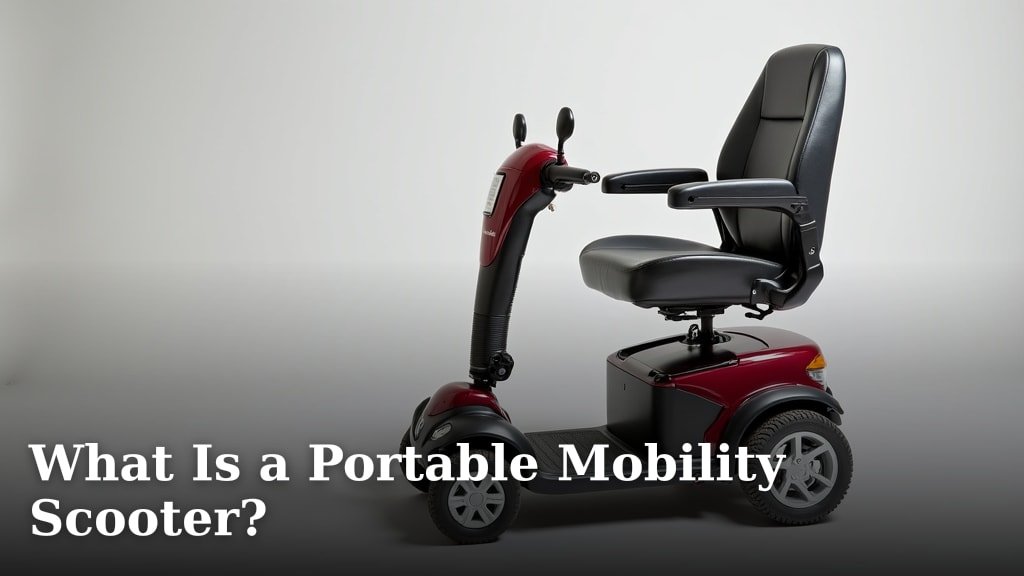
Travel or Portable Scooters
These smaller, lighter scooters are perfect for quick trips and easy transport. They often disassemble into several pieces, fitting into a car trunk. Their weight capacities typically fall in the 250 to 300-pound range. They’re built for convenience, not heavy lifting.
Standard or Mid-Size Scooters
Often considered the “workhorses” of mobility, standard scooters offer a good balance of size, power, and comfort. They’re great for everyday use, whether indoors or out. You’ll generally find their weight capacities between 300 and 400 pounds. This category offers a wide selection for many users.
Heavy-Duty or Bariatric Scooters
When you need extra support and power, heavy-duty scooters are the answer. These robust models feature stronger motors, larger batteries, and reinforced frames. Their weight capacities start around 400 pounds and can go up to 550 pounds or more. We found that some specialized models even exceed 600 pounds (NIH).
Finding Your Ideal Weight Capacity Scooter
Choosing the right weight capacity isn’t just about matching numbers. It’s about ensuring comfort, safety, and the longevity of your scooter. Don’t just eyeball it; a precise measurement is best.
Accurately Determining Your Required Capacity
The first step is knowing your own body weight. Use a reliable scale. But don’t stop there! Think about what you typically carry with you. Do you bring a large bag? Groceries? A portable oxygen tank? Add the weight of these items to your body weight.
We often suggest adding a little extra “buffer” to this total. Why? Because you might carry something heavier sometimes, or perhaps your weight fluctuates. Aim for a scooter with a capacity that’s at least 10-15% higher than your total calculated weight. This provides a margin of safety and prevents unnecessary strain on the scooter (Cleveland Clinic).
Checklist for Choosing the Right Capacity Scooter
Before you buy, run through this quick checklist:
- Know Your Current Weight: Get an accurate measurement.
- Factor in Carried Items: Estimate the weight of typical belongings.
- Add a Safety Buffer: Aim for 10-15% above your total.
- Consider Future Needs: Will your weight or carrying needs change?
- Read the Scooter’s Specifications: Always check the manufacturer’s stated limit.
- Test Ride If Possible: See how it feels with your full weight load.
Comparing Scooter Capacities: A Quick Guide
Here’s a simple table to give you a clearer picture of typical weight ranges:
| Scooter Type | Typical Weight Capacity Range | Best For |
|---|---|---|
| Travel / Portable | 250 – 300 lbs | Occasional use, easy transport |
| Standard / Mid-Size | 300 – 400 lbs | Daily use, balance of features |
| Heavy-Duty / Bariatric | 400 – 550+ lbs | Regular, extensive use, higher user weights |
Remember, these are general ranges. Always refer to the specific model’s specifications for the exact capacity. Every manufacturer is different.
The Impact of Exceeding the Weight Limit
So, what really happens if you ignore the weight limit? It’s more than just a recommendation; it’s a critical boundary. Imagine trying to carry too many groceries in one trip; something usually gives, right? Your mobility scooter is no different.
Performance Degradation and Component Wear
The first thing you’ll notice is a significant drop in performance. The scooter might feel sluggish. Its top speed will likely decrease. Climbing inclines will become a struggle, if not impossible. The motor will strain, producing more heat and working much harder than intended.
Over time, this extra strain leads to premature wear and tear on various components. The motor, transaxle, and even the frame itself can suffer damage. We found that the battery life is also severely impacted. You’ll get fewer miles per charge, and the battery’s overall lifespan will shorten dramatically.
Safety Risks and Warranty Voidance
This is where things get serious. An overloaded scooter is an unstable scooter. The center of gravity can shift, making it prone to tipping, especially during turns or on uneven terrain. The braking system might also become less effective, increasing your stopping distance. Is that a risk you want to take?
As we mentioned earlier, exceeding the weight capacity almost universally voids your manufacturer’s warranty. This is a big deal because repairs for motors, batteries, or structural damage can be very expensive. Don’t get caught in a situation where you’re left footing a hefty repair bill for something preventable.
Beyond Weight: Other Capacity Considerations
While weight capacity is paramount, it’s not the only “capacity” you should consider. A good scooter fit involves a few other measurements too. Think about how you fit into your favorite armchair – it’s about more than just if it can hold your weight.
Seating and Width Dimensions
Your comfort is key. Look at the width and depth of the seat. Does it accommodate your body comfortably? Is there enough room for your hips and thighs? Too narrow, and you’ll feel squeezed. Too wide, and you might feel less stable.
Also, consider the distance between the armrests. Can you comfortably get in and out of the scooter? Many heavy-duty models offer wider seats and adjustable armrests for a more comfortable experience. A good fit here prevents discomfort and even skin issues over time.
Turning Radius and Manoeuvrability
This relates more to the scooter’s physical size than its weight-carrying ability, but it directly impacts how you can use it. The turning radius tells you how tight a circle the scooter can make. If you plan to use your scooter indoors, a smaller turning radius is essential for navigating hallways and tight corners.
Outdoor use might allow for a larger turning radius, but even then, consider your average environment. Will you be maneuvering around store aisles or only wide open paths? Matching the scooter’s maneuverability to your environment ensures you can get where you need to go easily and safely.
We believe that understanding all these capacities ensures you choose a scooter that not only supports you physically but also fits seamlessly into your daily life. It’s all about empowering your independence.
Conclusion
Choosing the right mobility scooter weight capacity is more than just matching a number; it’s about your safety, comfort, and the scooter’s longevity. We found that taking the time to accurately measure your weight, consider carried items, and add a safety buffer makes all the difference. Ignoring these limits can lead to poor performance, costly repairs, and even void your warranty.
You now have the knowledge to confidently select a scooter that fits your specific needs. Prioritize your well-being and the lifespan of your investment. Always double-check manufacturer specifications and consider a test ride. By doing so, you’ll ensure your mobility scooter truly enhances your independence for years to come.
Frequently Asked Questions
What happens if I’m slightly over the weight capacity?
Even being slightly over the weight capacity can start to strain scooter components. You might notice a small dip in speed or battery life. Over time, this consistent strain can still lead to premature wear and tear, reducing the overall lifespan of your scooter and potentially voiding your warranty.
Can a mobility scooter lose weight capacity over time?
A mobility scooter doesn’t inherently “lose” its stated weight capacity. However, if components like the frame, motor, or suspension become worn or damaged due to consistent overloading or improper use, its ability to safely support its original maximum weight could be compromised. Regular maintenance helps prevent this.
Does passenger weight count towards the capacity if I’m using a scooter with a child?
Yes, absolutely. The stated weight capacity includes the total load on the scooter. This means your weight plus the weight of any passenger, pet, or items you are carrying. Exceeding this combined limit is unsafe and can damage the scooter.
Are there any visual signs my scooter is overloaded?
You might notice several signs if your scooter is overloaded. These can include a visible sag in the suspension, the motor sounding strained or working harder, slower speeds, difficulty climbing inclines, or reduced responsiveness in steering and braking. It often just “feels” heavier to operate.
Should I buy a scooter with a much higher weight capacity than I need?
While having a little extra capacity is good for a safety buffer, buying a scooter significantly overpowered for your needs isn’t always necessary. Heavy-duty scooters can be larger, less maneuverable, and more expensive. Find a balance that provides adequate capacity without overdoing it for your typical use.