Why Does My Mobility Scooter Battery Swell?
On this page (7 sections)
- Understanding Why Your Mobility Scooter Battery Is Swelling
- The Primary Culprits Behind Battery Swelling
- Understanding Battery Types and Swelling Risks Mobility scooters typically use lead-acid batteries. Within this category, there are two main types: flooded lead-acid and sealed lead-acid (SLA). SLA batteries are more common in mobility scooters because they are maintenance-free. Flooded Lead-Acid Batteries These batteries have removable caps, allowing you to check and add distilled water. They are more prone to losing water through evaporation. If the water level gets too low, the exposed lead plates can become damaged, leading to internal issues that might cause swelling. Sealed Lead-Acid (SLA) Batteries These are designed to be maintenance-free. They use a valve system to release excess pressure, but if this system fails or if gas production is too rapid due to other issues like overcharging, the case can swell. Research indicates that SLAs are still susceptible to thermal runaway and overcharging issues (IEEE). Recognizing the Signs of a Swollen Battery
- What to Do When You Find a Swollen Battery
- Preventing Future Battery Swelling: Your Action Plan
- Conclusion
- Frequently Asked Questions
Your mobility scooter battery might swell because of overcharging, extreme temperatures, or age. This condition, often called a “bloated” battery, happens when gases build up inside. It’s a sign that the battery may be damaged and potentially unsafe.
While a swollen battery isn’t ideal, it’s a common issue for lead-acid batteries. Understanding the causes can help you prevent it from happening to your scooter. We found that proper charging habits and keeping the battery away from harsh conditions are key. It’s important to address this potential hazard promptly.
- Swelling means your battery is likely damaged.
- Common causes include overcharging, high temperatures, and battery age.
- A swollen battery can be a safety risk.
- Prompt replacement is usually the best course of action.
Let’s look into why your mobility scooter battery might be swelling and what you can do about it.
Understanding Why Your Mobility Scooter Battery Is Swelling
Seeing your mobility scooter’s battery case puff out like a balloon can be alarming. This swelling, often called a “bloated” battery, happens when gases build up inside. It’s your battery’s way of telling you something isn’t right. Most often, it means the battery is likely damaged and may no longer be safe to use. We understand this can be concerning, but knowing the causes can help you prevent it and keep your scooter running smoothly.
The Primary Culprits Behind Battery Swelling
Several common factors can lead to your mobility scooter battery swelling. These are usually related to how the battery is treated and its overall condition. We’ve found that the main reasons often boil down to charging issues, environmental conditions, and the battery’s lifespan.
Overcharging: The Silent Killer of Battery Health
One of the most frequent causes of battery swelling is overcharging. When you charge your battery for too long, or if the charger isn’t designed correctly for your specific battery type, it can overwork the cells. This excess energy causes a chemical reaction inside the battery that produces gases. Think of it like trying to stuff too much into a small container – eventually, it has to expand.
When these gases can’t escape, they push against the battery casing, causing it to bulge. This is especially true for sealed lead-acid batteries, which are common in mobility scooters. Many experts suggest that proper charging is key to battery longevity (Battery University).
The Impact of Extreme Temperatures
Your mobility scooter battery is sensitive to its surroundings. Both extreme heat and cold can play a role in swelling.
The Danger of Heat
Heat is particularly damaging. If you leave your scooter in a hot car or direct sunlight for extended periods, the internal temperature of the battery can rise dramatically. High temperatures accelerate the chemical reactions within the battery, increasing gas production. This can lead to swelling and, in severe cases, even battery failure or leakage.
We found that keeping your scooter stored in a cool, dry place can significantly help prevent heat-related battery issues. Parking your scooter in the shade is a simple yet effective step.
The Surprising Role of Cold
While heat is more commonly associated with swelling, very cold temperatures can also contribute. In extreme cold, the electrolyte inside the battery can thicken. If a battery is also low on charge in freezing conditions, the water in the electrolyte can freeze. Frozen electrolyte expands, putting pressure on the battery casing. This can lead to cracks or swelling.
The Natural Process of Battery Aging
Batteries, like all rechargeable energy sources, have a finite lifespan. As your mobility scooter battery ages, its internal components degrade. This natural wear and tear can make the battery less efficient and more susceptible to issues like swelling.
An older battery might not hold a charge as well as it used to. This can lead to deeper discharge cycles, which, combined with other factors, can stress the battery. We found that many battery manufacturers recommend replacing lead-acid batteries every 1 to 3 years, depending on usage and care.
Understanding Battery Types and Swelling Risks
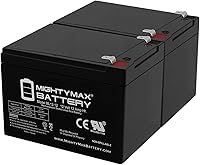
Mobility scooters typically use lead-acid batteries. Within this category, there are two main types: flooded lead-acid and sealed lead-acid (SLA). SLA batteries are more common in mobility scooters because they are maintenance-free.
Flooded Lead-Acid Batteries
These batteries have removable caps, allowing you to check and add distilled water. They are more prone to losing water through evaporation. If the water level gets too low, the exposed lead plates can become damaged, leading to internal issues that might cause swelling.
Sealed Lead-Acid (SLA) Batteries
These are designed to be maintenance-free. They use a valve system to release excess pressure, but if this system fails or if gas production is too rapid due to other issues like overcharging, the case can swell. Research indicates that SLAs are still susceptible to thermal runaway and overcharging issues (IEEE).
Recognizing the Signs of a Swollen Battery
It’s important to know what to look for. A swollen battery often has visible signs.
Visual Indicators
The most obvious sign is a distorted battery case. You might see the sides of the battery bulging outwards, or the top might appear pushed up. The casing might look uneven or misshapen. Sometimes, you might even see small cracks or signs of leaking electrolyte, which is a corrosive liquid.
Other Warning Signs
Besides visible swelling, you might notice other performance issues. Your scooter might not travel as far on a full charge, or it might seem to lose power more quickly than usual. If you smell a strong, sulfuric odor, this could indicate a leaking or damaged battery, which might be related to swelling.
What to Do When You Find a Swollen Battery
Discovering a swollen battery requires prompt action. Safety is the number one priority.
Safety First: Handling with Care
A swollen battery is a potential safety hazard. The internal pressure could cause it to rupture, releasing harmful gases and corrosive electrolyte. Never try to puncture or open a swollen battery. Wear gloves and eye protection if you need to handle it, and do so carefully.
The Importance of Immediate Replacement
We found that the consensus among mobility scooter experts is clear: a swollen battery should be replaced immediately. It is no longer reliable and poses a risk. Attempting to continue using it or charge it could lead to further damage or an unsafe situation.
When you replace your battery, it’s a good idea to use batteries that are specifically designed for mobility scooters. Using the correct type and capacity ensures optimal performance and safety.
Preventing Future Battery Swelling: Your Action Plan
Preventing battery swelling is all about good care and awareness. Here’s a checklist to help you keep your scooter’s batteries in top condition:
- Charge Properly: Always use the charger recommended by your scooter manufacturer. Avoid overcharging by unplugging the charger once the battery is full, or use a charger with an automatic shut-off.
- Avoid Extreme Temperatures: Don’t leave your scooter in a hot car or direct sunlight for long periods. Store it in a cool, dry environment.
- Regular Maintenance: If you have flooded batteries, check the electrolyte levels regularly and top them up with distilled water as needed.
- Monitor Performance: Pay attention to how long your scooter runs on a charge. A sudden decrease in range could signal a battery issue.
- Inspect Visually: Periodically check the battery casing for any signs of bulging or damage.
- Know Your Battery’s Age: Keep track of how old your batteries are. Consider replacing them proactively after 1-3 years of use, depending on manufacturer recommendations.
By following these simple steps, you can help ensure your mobility scooter battery stays healthy and avoids the problematic issue of swelling. This protects your investment and keeps you mobile safely.
Conclusion
Your mobility scooter battery swelling is a clear signal that something is wrong. We’ve covered how overcharging, extreme temperatures, and simply age can cause this condition. A bloated battery isn’t just an inconvenience; it’s a potential safety hazard that needs immediate attention. Don’t try to use or repair a swollen battery yourself. Your best course of action is to replace it promptly with a suitable battery for your scooter. Following our tips for proper charging and storage will help prevent this issue in the future, keeping you mobile and safe.
Frequently Asked Questions
Is a swollen mobility scooter battery dangerous to touch?
Yes, a swollen battery can be dangerous. The internal pressure might cause it to rupture, releasing harmful gases and corrosive liquid. Always wear gloves and eye protection if you must handle it, and do so with extreme care.
Can I still use my mobility scooter with a swollen battery?
No, you should not use a mobility scooter with a swollen battery. It’s unreliable and a safety risk. Continuing to use it could lead to further damage or a dangerous situation.
How often should I replace my mobility scooter batteries?
Most lead-acid batteries for mobility scooters need replacement every 1 to 3 years. This timeframe can vary based on how often you use the scooter and how well you maintain the batteries.
What type of charger should I use for my mobility scooter battery?
You should always use the charger specifically recommended by your mobility scooter’s manufacturer. Using the wrong charger can lead to overcharging and damage your battery.
If my battery isn’t swollen, but my scooter isn’t holding a charge, what could be wrong?
If your scooter isn’t holding a charge and the battery isn’t swollen, the battery might be nearing the end of its lifespan or could be damaged internally. It’s also possible there’s an issue with the scooter’s charging system itself.