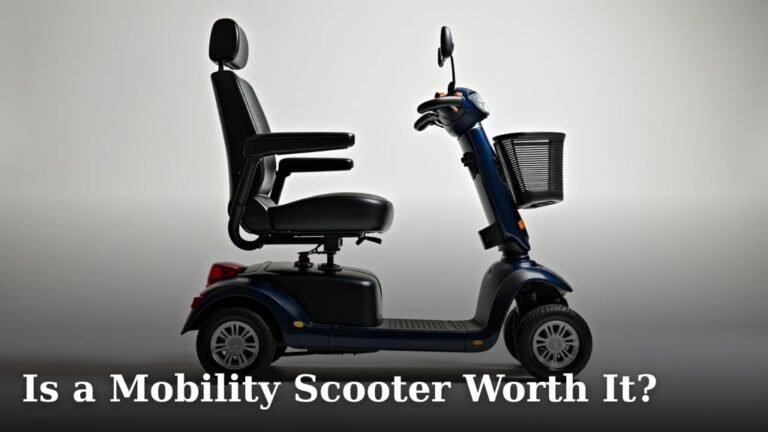
You do not need a doctor’s prescription to buy a mobility scooter. We found that most sellers let
Understanding the Role of a Doctor in Getting Your Mobility Scooter
You do not need a doctor’s prescription to purchase a mobility scooter. However, a doctor’s involvement becomes essential if you hope for insurance to cover the cost.
Many people wonder if a scooter requires a prescription. It’s a common question. We found that most sellers will happily sell you a scooter without any medical paperwork. Think of it like buying a bicycle; you just pick one out and pay for it.
The real question revolves around payment. Are you paying out of pocket, or are you looking for help from Medicare, Medicaid, or private insurance? That’s where your doctor steps in.
When a Prescription or Doctor’s Order Becomes Necessary
If you want your mobility scooter to be financially covered, you absolutely need a doctor’s involvement. This isn’t just a suggestion; it’s a strict requirement for most insurance providers. They need medical justification.
Medicare, for instance, classifies mobility scooters as Durable Medical Equipment (DME). To get DME coverage, they need proof it’s medically necessary. This proof comes directly from your physician.
The Difference Between a “Prescription” and a “Doctor’s Order”
Let’s clarify some terms. While people often say “prescription,” what you truly need for insurance coverage is typically a “doctor’s order” or a “certificate of medical necessity.”
- A prescription is usually for medication or a simple medical device like crutches.
- A doctor’s order for a mobility scooter is more detailed. It explains why you need the scooter. It also specifies the type of scooter that best meets your health needs.
This order is a critical document. It tells the insurance company that a medical professional has evaluated your situation. It confirms that a scooter is not just a convenience, but a necessary aid for your daily life.
The Process of Getting a Doctor’s Order for a Mobility Scooter
Getting a doctor’s order isn’t overly complicated, but it does require several steps. You’ll need to work closely with your doctor’s office. They are your main advocates here.
Start by scheduling an appointment. Explain to the scheduler why you are coming in. Be clear that you need an evaluation for a mobility device. This helps the doctor prepare for your visit.
Your Doctor’s Evaluation for Medical Necessity
During your appointment, your doctor will assess your physical capabilities. They need to determine if you meet specific criteria for a scooter. This is the most important part of the process for insurance purposes.
What exactly are they looking for? They want to see how well you can move around your home. Can you get from your bed to the bathroom? Can you navigate your kitchen? These are key questions.
What Your Doctor Will Look For
Your doctor will check several things. They need to confirm a few points for the insurance company:
- You have a medical condition that makes it hard to move around in your home. This condition must be chronic or long-term.
- You cannot perform daily activities (like eating, toileting, dressing) even with a cane or walker. This means those simpler aids are not enough.
- You can safely operate a mobility scooter. This includes having good enough vision, balance, and cognitive ability.
- Your home has enough space to use the scooter. This might seem odd, but a scooter won’t help if you can’t use it indoors.
They might ask you to walk a short distance. They might test your strength and coordination. These tests help build a strong case for your needs.
For example, if you struggle to walk across your living room without severe pain or falling, that’s crucial information. Make sure to clearly explain your difficulties to your doctor. Don’t minimize your challenges.
Documentation Requirements for Insurance Coverage
Once your doctor agrees that a scooter is necessary, they will prepare the documentation. This usually involves a detailed report and the actual doctor’s order. This paperwork is vital.
The documentation needs to be very specific. It must clearly state your diagnosis, your functional limitations, and why a scooter is the best solution for you. It’s like building a legal case for your health needs.
Key Components of the Doctor’s Order
Here’s a general idea of what your doctor’s order, or certificate of medical necessity, might include:
| Component | Description |
|---|---|
| Patient Information | Your name, date of birth, and insurance ID. |
| Diagnosis Codes | Specific medical codes (ICD-10) for your conditions. |
| Functional Limitations | Detailed explanation of your inability to ambulate within the home. |
| Medical Justification | Why other mobility aids (cane, walker) are insufficient. |
| Prescribed Equipment | The type of scooter recommended (e.g., power-operated vehicle). |
| Doctor’s Signature & Date | Official sign-off from your treating physician. |
Your doctor’s office will often send this documentation directly to the durable medical equipment (DME) supplier. The DME supplier then processes the request with your insurance company.
Make sure to keep a copy of all this paperwork for your own records. It’s always good to have a backup in case questions arise later.
Working with Durable Medical Equipment (DME) Suppliers
After your doctor provides the necessary order, the next step involves a DME supplier. These are companies that specialize in providing medical equipment like mobility scooters. They work directly with insurance companies.
Your doctor might recommend a specific supplier, or you might need to find one that works with your insurance plan. It’s important to choose a supplier that has a good reputation and offers excellent customer service.
The Supplier’s Role in the Approval Process
The DME supplier acts as a go-between. They take your doctor’s order and submit it to your insurance company. They understand the language and codes insurance companies require.
They will verify your insurance coverage and explain any co-pays or deductibles you might owe. This is where you find out the actual cost to you.
What to Expect When Dealing with a DME Supplier
Here’s a checklist of what usually happens when you engage with a DME supplier:
- They will review your doctor’s order to ensure it meets insurance guidelines.
- They will contact your insurance provider to verify coverage and eligibility.
- They might schedule a home assessment to confirm the scooter will fit and be usable.
- They will help you select a scooter model that aligns with your doctor’s recommendation and your needs.
- They will handle all billing directly with your insurance company.
- They will arrange for delivery and setup of your new mobility scooter.
This entire process can take some time. Patience is key. Insurance companies have their own review periods. It’s not uncommon for it to take a few weeks for approval.
You can always call the DME supplier for updates. Don’t hesitate to ask questions if you don’t understand something. They are there to guide you.
Navigating Insurance Coverage for Your Mobility Scooter
Understanding insurance coverage can feel like a maze. Each insurance plan, whether it’s Medicare, Medicaid, or a private plan, has its own rules and criteria. It’s important to know what your specific plan covers.
Many people find this part confusing. Our research shows that a common hurdle is not understanding the specific requirements of their insurance plan. Don’t assume anything; always confirm.
Medicare Coverage Policies for Mobility Scooters
Medicare Part B often covers mobility scooters if they are deemed medically necessary. This is a common path for many seniors seeking assistance.
To qualify, Medicare requires that you have a medical condition that makes it impossible to use a cane, walker, or manual wheelchair. Your doctor must attest to this in their order (CMS.gov).
Furthermore, you must be able to safely operate the scooter yourself. If you can’t, Medicare might consider other options, like a personal care attendant, rather than a scooter.
Private Insurance and Other Coverage Options
Private insurance plans also vary greatly. Some plans may offer similar coverage to Medicare, while others might have stricter criteria or different co-payment structures. Always check with your specific insurer.
Contact your private insurance provider directly. Ask them about their policy on durable medical equipment, specifically power-operated vehicles (POVs) or mobility scooters. Get all the details in writing if possible.
Medicaid also covers mobility scooters in many states, but eligibility and coverage rules are usually linked to income and specific medical needs. These rules differ from state to state.
Even if insurance doesn’t cover the full cost, they might cover a portion. This can still be a huge help. Every little bit counts when you’re looking at the cost of a new scooter.
Conclusion
While you don’t always need a doctor’s prescription to buy a mobility scooter, your doctor’s involvement is absolutely essential if you want financial help from insurance. We’ve shown you the clear path: get that medical evaluation, secure a detailed doctor’s order, and work with a reputable DME supplier. Understanding your insurance policy is also key to navigating this process smoothly.
Take charge of your mobility by preparing for these steps. Talk openly with your doctor about your needs and limitations. This proactive approach will help you get the mobility scooter you need to enhance your independence and daily life.
Frequently Asked Questions
What if my doctor doesn’t think I need a mobility scooter?
If your doctor determines a scooter isn’t medically necessary, they won’t provide the required doctor’s order for insurance. You can seek a second opinion from another physician. You always have the option to purchase a scooter out-of-pocket without a doctor’s approval.
Can I get a mobility scooter if I can still walk short distances?
Insurance providers, like Medicare, generally require that you cannot perform daily activities in your home even with other aids like a cane or walker. If you can walk short distances without significant difficulty, it might be harder to get insurance coverage for a scooter.
How long does the approval process usually take for a mobility scooter?
The entire process, from your doctor’s visit to insurance approval and delivery, can take several weeks. Insurance companies have their own review periods. Patience is important as the DME supplier works through the steps for you.
Do I need a new doctor’s order every year for my mobility scooter?
For ongoing use and potential repairs or replacement through insurance, you generally won’t need a brand new “doctor’s order” each year. However, your insurance provider might require periodic updates on your medical condition from your doctor to confirm continued medical necessity.
Can I choose any mobility scooter model once I have a doctor’s order?
Your doctor’s order typically specifies the general type of mobility device needed (e.g., power-operated vehicle). The DME supplier will help you choose a specific model that meets those medical requirements and fits your home environment. Insurance usually only covers models that meet the documented medical need.