Bedside Commode vs 3-in-1 Commode: What Is the Difference? (November 2026)
A 3-in-1 commode can work as a bedside toilet, raised toilet seat or toilet safety frame; a basic bedside commode is mainly used with its bucket. Check whether you need all 3 setups before paying for extra flexibility.
On this page (7 sections)
- Bedside commode vs 3-in-1 commode: what is the difference?
- Is a 3-in-1 commode worth the extra flexibility?
- Which features matter more than the label?
- How should you compare bucket care and cleanup?
- What should you measure before choosing?
- When is a basic bedside commode the simpler choice?
- How do you choose between these commodes?
A 3-in-1 commode can work as a bedside toilet, raised toilet seat or toilet safety frame; a basic bedside commode is mainly used with its bucket. In a bedside commode vs 3 in 1 commode comparison, the deciding point is whether you need those extra bathroom setups.
A 3-in-1 label describes function, not a separate kind of seat. Both types may look like a chair with armrests and a removable bucket, but only some models are designed to go over a toilet or act as a safety frame.
The practical difference shows up in daily routines. A bedside setup is about reach during the night or after a procedure.
A raised seat is about lowering the effort needed to sit and stand at the toilet.
A safety frame is about support around the toilet, especially when getting on and off is the difficult part. The same chair may not serve all three roles equally well for every person or room.
Ask where the commode will be used most often. If the answer is beside the bed only, extra configurations may add weight, bulk and setup steps without helping.
If the answer includes both bedside nights and daytime toilet use, a 3-in-1 model can reduce the need for separate equipment. That can suit a household where mobility changes over time.
Think about who will move and clean the commode. A folding frame helps with storage.
A removable bucket with a handle helps with emptying. Seat height adjustment helps with comfort.
Also think about space before the purchase. A frame that fits beside a bed may crowd the toilet.
A frame that fits the toilet may be awkward near the bed.
Check the exact functions listed for the model you are considering. Product names can be broad, and parts included can differ.
If you are still comparing the broader options, start with these types of commode chair and the right setup for bathroom safety for seniors.
Those broader guides can help you map the commode to the room and the person. Then return to the function question with measurements in hand.
In short, do not buy the label. Buy the setup you will actually use, in the place where you will use it.

 Best for a removable bucket
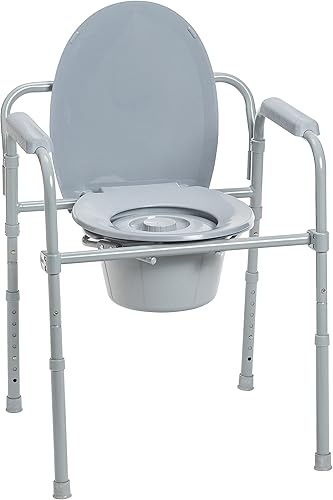
Drive Medical Folding Steel Bedside Commode Chair
Bedside commode vs 3-in-1 commode: what is the difference?
A bedside commode is used with a bucket near the bed, while a 3-in-1 model adds raised-toilet-seat and safety-frame uses. The frame may serve more than one purpose, but the bucket setup still matters if nighttime access is the main reason for buying.
A basic bedside commode can be a practical choice when the user needs a toilet within reach and the commode will stay in one place. A 3-in-1 version can suit someone who may also need support around an existing toilet.
The phrase “basic bedside commode” can mean different things across product ranges. Check the functions listed for the exact model rather than assuming every bedside model has only one use or every 3-in-1 model fits every toilet.
What does “3-in-1” mean on a commode?
It usually means the chair can be configured as a bedside commode with a bucket, a raised seat over a toilet, or a frame around a toilet for support. The exact setup and parts vary by model.
For example, both Drive Medical options here describe those 3 uses. The HOMLAND model also describes bedside, raised-seat and safety-frame use, with 7 height settings.
Using a commode over a toilet means the bucket setup changes. Follow the instructions for removing or positioning parts, securing the frame and checking fit before anyone sits down.
Is a 3-in-1 commode worth the extra flexibility?
It can be worthwhile if you expect to use more than one setup; it may add little value when the commode will only stay beside the bed. Decide based on the bathroom routine, not the number of functions on the box.
The extra use can reduce the need to choose between a bedside chair and a toilet support frame. That flexibility can matter after a change in mobility or when a bathroom layout changes, but it does not guarantee that one frame will work for every user or toilet.
Consider how often the user can reach the bathroom, whether a helper needs room to assist, and where the commode can be stored. If the commode will remain by the bed, a folding frame may still help with storage, while raised-seat functions may never be used.
A 3-in-1 model also needs a safe setup each time it changes roles. A frame that fits the bedroom may not fit around the toilet, so measure both spaces before choosing.
Which features matter more than the label?
Prioritize fit, height adjustment, stability and the way the bucket is handled. A 3-in-1 label is useful only when its configurations match the user's needs and room.
Check the seat height range, width between the arms, outside frame width and the toilet dimensions. Make sure the user can sit and stand with the armrests in a comfortable position, and leave space for a caregiver if one assists.
The Drive Medical Folding Bedside Commode has adjustable height, fold-up steel legs and a 7.5-quart bucket. Its product details state a capacity of 350 lb and describe use as a bedside commode, raised toilet seat or safety frame.
The Drive Medical Folding Steel Bedside Commode Chair also has a 7.5-quart bucket and a 350 lb capacity. It folds, adjusts with push-buttons and includes a splash guard, protective cover and carry handle.
The HOMLAND 3-in-1 has 7 height settings and a 7.5-quart removable bucket with lid, handle and splash guard. Its stated capacity is 350 lb, and the maker describes dual-crossbar support.
How should you compare bucket care and cleanup?
Compare how the bucket is removed, emptied and cleaned, because either type still needs a reliable cleanup routine. A 3-in-1 frame does not remove the work of maintaining its bucket when used at the bedside.
Look for a removable bucket with a handle and cover if those features matter to the person emptying it. Check where the bucket can be carried and emptied without blocking a walkway or creating a spill risk.
A liner may make cleanup simpler, but it does not replace checking the bucket and surrounding area. These commode liners are one option to consider, and you should follow the liner and local disposal instructions.
For a bucket model, plan a regular cleaning process with supplies close at hand. Our guide to cleaning a bedside commode covers practical steps for keeping the seat and bucket clean.
Start with the removal step. The bucket should lift out without forcing the chair to shift on the floor.
A stable frame matters here, because a wobble during removal can turn a routine task into a spill.
Consider the carry to the bathroom. A handle that is easy to grip helps when hands are stiff or when the bucket is carried at arm's length.
A cover or splash guard can reduce splash and help with odors during the short trip.
Capacity also matters in daily use. A 7.5-quart bucket is a common size in the models discussed here, and it should be emptied before it fills near the top.
Frequent emptying is easier than dealing with an overfilled bucket.
Think about who does the emptying. If a caregiver handles it, the height of the toilet and sink matters.
If the user handles it, the distance from the bedside chair to the bathroom matters even more.
Liners can reduce scrubbing and make disposal tidier. They still need to be changed after use, tied or closed as directed, and placed in the household waste as local rules require.
Keep cleaning supplies within reach of the commode. Gloves, wipes, a small bin liner and a covered waste container can make the routine faster and less stressful.
Wash the bucket regularly, even when liners are used. Residue can build up around the rim and under the seat, and a clean bucket is part of comfort and hygiene.
Dry the bucket and seat area after cleaning. Moisture left on a plastic seat or metal frame can make surfaces slippery and can be hard on the finish over time.
Check the splash guard and cover for cracks or warping. A damaged guard may not sit properly, and a loose cover can make carrying less secure.
If the commode doubles as a raised toilet seat, the bucket may be stored nearby rather than fitted under the seat. That storage spot should be clean, dry and out of the walking path.
If the commode doubles as a safety frame, there may be no bucket in place at all. In that setup, cleanup shifts to keeping the seat and armrests clean and checking that feet remain stable on the bathroom floor.
Plan the routine before the first night of use. Decide where the bucket goes, where it is emptied, and where clean supplies are kept, so no one has to improvise in the dark.
What should you measure before choosing?
Measure the user, the commode space and the toilet before buying. Dimensions matter more than a general claim that a model fits most bathrooms.
Measure floor space beside the bed and the path to the bathroom. Include door swings, drawers and any room a helper needs to stand or turn.
For toilet use, check the bowl height and width, and compare those measurements with the commode frame and seat. Confirm how the frame is intended to sit and whether its feet can rest securely on the floor.
Also consider where the commode will go when it is not in use. A folding model may be easier to store, but you still need a place that keeps it accessible and out of the walking path.
If you are weighing the added flexibility against your budget, see this overview of bedside commode cost. Compare the included bucket features and adjustability along with the number of possible uses.
Start with the person. Seat height affects how feet rest on the floor and how much effort is needed to stand.
Arm width affects whether the user can grip the armrests without feeling crowded.
Measure the space beside the bed at the height of the chair, not just the floor area. A bedside table, rug edge or wall can narrow the space where the user turns to sit.
Walk the route to the bathroom with the same questions in mind. Door width, thresholds and tight corners matter more when someone is moving at night or with help.
For a raised seat, compare the toilet bowl with the frame opening. The commode should be intended for that toilet shape, and the feet should sit flat without rocking.
Check height adjustment in practical terms. A range of settings is helpful only if the lowest and highest positions match the user's knees, hips and foot placement at the toilet.
One of the Drive Medical models lists seat height from 17 inches to 23 inches and width between arms of 18.125 inches. Those figures show why exact numbers matter more than a general description of comfort.
Consider caregiver space as part of the measurement. A helper may need to stand beside the chair, guide a transfer, or reach the bucket without bending over the user.
Think about storage when the commode is folded. A folding frame can slide into a spare corner, but it should not block a door, a drawer or the path someone uses in the dark.
Measure the toilet room door and the turn into the bathroom. A frame that fits the toilet can still be hard to position if the room leaves no room to approach from the side.
Write the measurements down and compare them with the model specifications before ordering. That short check can prevent a return and can make setup safer on the first day.
When is a basic bedside commode the simpler choice?
Choose a bedside-only setup when the user needs a nearby bucket and has no use for a raised seat or toilet safety frame. Fewer intended configurations can make the decision clearer.
A basic model can still include a folding frame, adjustable height or other helpful features. The right comparison is between the actual features you need, not “basic” versus “advanced” as broad categories.
Think about transfers and caregiver access. If a user needs support to sit or stand, talk with a health professional or occupational therapist about suitable equipment and setup.
A bedside-only choice suits a clear routine. The commode stays in one place, the bucket is used there, and the household learns one way to set it up and clean it.
That simplicity can help at night. The user does not need to remember different configurations, and a caregiver does not need to move the frame between rooms.
It can also suit a small bedroom. A fixed bedside position may use space more predictably than a frame that also needs to fit around a toilet.
Still check the features that matter for bedside use. Seat height, arm support, bucket size, folding storage and stability all affect daily comfort.
A folding frame is useful even for bedside-only use. It can be stored upright during the day, or moved aside for cleaning and visitors.
Adjustable height still matters beside the bed. The user should sit with feet supported and be able to use the armrests to rise without straining.
Do not assume a simpler model lacks these features. Compare the listed specifications for each option rather than the marketing category.
The trade-off is future flexibility. If mobility changes, a bedside-only model may not meet new needs around the toilet.
Consider the likely time frame. Recovery after surgery, a long-term condition and general aging can all change needs at different speeds.
If change is likely, a 3-in-1 model may be worth considering now. If the routine is stable and bedside-only, the simpler choice may be the better fit.
Either way, measure the bedside space and confirm the setup with the user. The simplest commode is the one that fits the room, the person and the routine without added steps.
How do you choose between these commodes?
Choose a bedside-only commode for a single bucket-based location; choose a 3-in-1 model when its raised-seat or safety-frame function will also be used. Then verify dimensions and follow the model's setup instructions.
The Drive Medical models offer 3-in-1 use with folding frames and 7.5-quart buckets. The HOMLAND model adds 7 height settings; choose based on the fit and adjustment needs you can confirm.
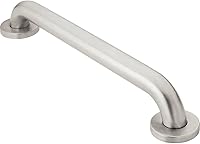
A grab bar vs handrail comparison can help you think through fixed bathroom support alongside a commode frame. If you’re choosing other mobility equipment too, compare a 3-wheel and 4-wheel mobility scooter or a scooter and electric wheelchair separately, since those choices serve different mobility needs.
Pick the simplest commode that fits the user, room and toilet. The best 3-in-1 option is the one whose extra configurations you can use safely and comfortably.
Frequently asked questions
Is a 3-in-1 commode better than a bedside commode?
A 3-in-1 commode is more flexible if you may use it beside the bed, over a toilet, and as a toilet safety frame. A bedside-only model can be enough if you need just the bucket setup.
Compare the exact frame, height adjustment and fit with the person who will use it.
Can you use a 3-in-1 commode over a regular toilet?
Many 3-in-1 commodes are designed to serve as a raised toilet seat or safety frame over a toilet. Check the specific model's dimensions and setup instructions, then confirm it fits your toilet and leaves enough room for safe transfers before using it.
Does every bedside commode have 3 functions?
No. Some bedside commodes are intended mainly for use with a bucket, while 3-in-1 models add raised-seat and toilet-safety-frame setups.
Product names can vary, so check the functions and instructions for the exact model instead of relying on the word “commode.”
What should you measure before buying a 3-in-1 commode?
Measure the toilet height and width, available floor space, and the route into the bathroom. Also check seat height adjustment, width between the arms, and whether the frame can sit securely in the intended position.
Follow the model's instructions for setup and use.
Do commode liners fit every bedside commode?
Liner fit depends on the bucket opening and liner dimensions. These Simply Seniors liners measure 20.5 in wide by 15 in tall and are described for standard portable commodes.
Check the bucket before buying, and follow local rules for disposal.