Can Grab Bars Be Installed Over Tile?
Yes, grab bars can be installed over tile when you drill through it carefully and fasten the bar to a stud or an anchor approved for the wall and bar. Tile and grout alone cannot support the pull of a handhold.
On this page (11 sections)
- Can grab bars be installed over tile safely?
- What is behind the tile, and why does it matter?
- How do you drill through tile without cracking it?
- How should you choose a bar and mounting method?
- What if the shower wall is fiberglass or glass?
- What can you use if drilling isn't a good option?
- What common installation mistakes should you avoid?
- When should you hire an installer?
- Can grab bars be installed over tile without professional help?
- FAQs about installing grab bars over tile
- Can grab bars be installed over tile? Choose by wall and need
Yes, grab bars can be installed over tile if the bar is fastened to a stud or an anchor approved for the wall and bar. Drill through the tile carefully, but never depend on tile or grout alone to hold a handhold.
The method depends on the wall behind the tile, the bar's mounting instructions, and the user's needs. If you can't identify the wall or confirm that the hardware is compatible, have a qualified installer assess the location before anyone relies on the bar.
Can grab bars be installed over tile safely?
Yes, when the fasteners reach secure support behind the tile. Tile is a finish surface, so it should not carry the force of a person gripping or leaning on the bar.
First identify the wall construction and read the instructions for the bar and any anchor. Don't use a bar that shifts, rocks, or pulls away from the wall.
A grab bar is one part of a safer bathroom setup. The complete bathroom safety guide for seniors covers other ways to make bathing and bathroom trips easier to manage.
What is behind the tile, and why does it matter?
The wall behind the tile determines which fastener can hold the bar. Tile may cover wood framing, cement board, drywall, or more than one layer, and those materials call for different mounting methods.
If a stud is in the right place, a bar can often be fastened there with the screws specified for that installation. Read more about whether grab bars need to be installed in studs.
When no stud lines up with the desired handhold, don't assume a standard wall plug will work. Use an anchor only when the bar's instructions permit it and the anchor is rated for that wall construction.
How do you drill through tile without cracking it?
Use a bit suited to the tile, drill slowly, and keep the bit straight. Check the tile and bar instructions for any material-specific steps before marking holes.
- Position the bar where the user can reach it comfortably, then mark the holes with the mounting plate or template.
- Check for pipes and wiring before drilling.
- Use tape or another method recommended for the tile to help keep the bit from slipping.
- Drill at low speed without hammer mode and apply light, steady pressure.
- Stop when you pass through the tile, then use the specified method for the wall behind it.
Avoid forcing the bit or overtightening screws. If tile cracks, shifts, or feels loose around a hole, stop and have the surface assessed before installing the bar.
How should you choose a bar and mounting method?
Choose a bar that suits the location and can be secured to your wall. Check its length, grip size, mounting instructions, and any anchor requirements before you buy.
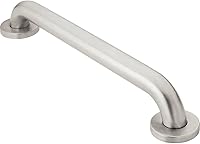
The Moen 8912 Home Care bar is 12 inches long, with a 1.5-inch diameter grip and concealed mounting screws. Moen allows its SecureMount anchors as an option when direct mounting into studs isn't available; those anchors are sold separately.
{{product B00084IBAE}} The listing describes a 12-inch stainless steel grab bar with a 1.5-inch grip and concealed mounting screws.
This bar suits a smaller handhold near a tub, shower, or toilet when its mounting method fits the wall. Skip it if the user needs a longer gripping area or if you can't confirm that the bar and anchor work with the wall behind the tile.
Think about where the user will reach while sitting, standing, or stepping in and out. For placement guidance, see grab bar mounting height.
For a step-by-step overview of bathroom mounting, see how to install grab bars in a bathroom.
What if the shower wall is fiberglass or glass?
Fiberglass and glass need a different approach from tiled walls. Identify the surface before choosing a bar or drilling.
A glass shower door is not a wall for a grab bar. Read about grab bars on glass shower doors before considering that location.
Fiberglass surrounds also need suitable support behind the panel. The advice on grab bars in a fiberglass shower can help you decide whether that surface fits your plan.
What can you use if drilling isn't a good option?
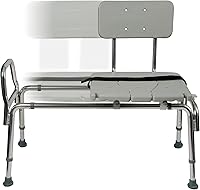
Choose a support aid that matches the task and location. A shower chair supports seated bathing, while a toilet rail is designed to help with transfers around a toilet.
It can be used for showering and positioned over a standard-size toilet, making it an option for people who need seated bathing and toileting support.
Choose it when the bathroom layout can accommodate a rolling chair and the user can transfer safely with the needed help. Skip it if the main need is a fixed handhold on the wall; a chair does not replace a securely mounted grab bar.
This rail suits someone who needs support at the toilet and wants a frame that can move between bathrooms. It is not a shower grab bar, so skip it when the user needs a handhold in the bathing area.
What common installation mistakes should you avoid?
The main mistakes are anchoring only into tile, choosing an unapproved anchor, and drilling before checking the wall. Each can leave the bar loose or damage the surface.
Don't assume grout or tile can support the bar, and don't use a generic wall plug just because it fits the hole. Confirm the wall type, anchor compatibility, and fastener instructions first.
Don't drill with hammer mode or force the bit through the tile. Check for pipes and wiring, and stop if the tile cracks or shifts.
When should you hire an installer?
Hire a qualified installer if the wall construction or mounting method is uncertain. A professional can assess the location and help avoid damage to tile, plumbing, or wiring.
Get help if you can't locate a stud, don't know what's behind the tile, need an anchor you haven't used before, or can't position the bar securely. The key decision is whether the mounting plan provides dependable support, not whether drilling through the tile seems straightforward.
Can grab bars be installed over tile without professional help?
It can be a do-it-yourself job if you can identify the wall, confirm compatible hardware, and follow the instructions accurately. Drilling through the tile is only one step; the bar still needs secure support behind it.
Before starting, make sure the bar reaches the spot the user needs and that the fastening method is allowed for that wall. If any part of the setup is unclear, an installer can check it before the bar is used.
FAQs about installing grab bars over tile
Can you drill through shower tile to install a grab bar?
Yes. Use a drill bit suited to the tile and drill slowly without hammer mode.
Keep the bit straight, and check the bar and tile instructions before starting.
After passing through the tile, use the mounting method specified for the wall behind it. Don't let the tile or grout carry the bar's load.
Does a grab bar need to attach to a stud through tile?
A stud is a strong mounting option when it lines up with the desired handhold. Some bars also allow specific anchors when a stud isn't available, but the anchor must suit the wall, tile thickness, and bar.
Follow the bar and anchor instructions, and don't rely on tile or grout alone.
Can a grab bar crack tile?
Yes. A slipping bit, hammer drilling, or overtightened screws can crack tile.
Mark each hole, use a bit suited to the tile, and drill slowly.
Stop if the surface shifts or cracks. Repair loose or damaged tile before mounting a bar.
Can you install a grab bar in a tiled shower without a stud?
Sometimes. Use a no-stud method only if the grab bar instructions allow an anchor suited to the wall behind the tile and the anchor is installed as directed.
If you can't identify the wall or confirm the anchor fit, have a qualified installer assess the location.
Can grab bars be installed over tile? Choose by wall and need
Install a grab bar over tile only when it can be secured to a stud or a compatible, approved anchor. If the wall or hardware is uncertain, have the mounting checked before anyone depends on the bar.
Pick a fixed grab bar for a handhold, a shower chair for seated bathing, or a toilet rail for support around the toilet. Choose based on the user's needs and bathroom layout, and see where to put grab bars in a bathroom for help planning the location.
Frequently asked questions
Can you drill through shower tile to install a grab bar?
Yes. Use a drill bit suited to the tile and drill slowly without hammer mode.
Keep the bit straight, and check the bar and tile instructions before starting.
After passing through the tile, use the mounting method specified for the wall behind it.
Don't let the tile or grout carry the bar's load.
Does a grab bar need to attach to a stud through tile?
A stud is a strong mounting option when it lines up with the desired handhold. Some bars also allow specific anchors when a stud isn't available, but the anchor must suit the wall, tile thickness, and bar.
Follow the bar and anchor instructions, and don't rely on tile or grout alone.
Can a grab bar crack tile?
Yes. A slipping bit, hammer drilling, or overtightened screws can crack tile.
Mark each hole, use a bit suited to the tile, and drill slowly.
Stop if the surface shifts or cracks.
Repair loose or damaged tile before mounting a bar.
Can you install a grab bar in a tiled shower without a stud?
Sometimes. Use a no-stud method only if the grab bar instructions allow an anchor suited to the wall behind the tile and the anchor is installed as directed.
If you can't identify the wall or confirm the anchor fit, have a qualified installer assess the location.