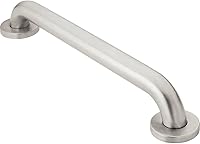
How to Install Grab Bars in a Bathroom
To install grab bars in a bathroom, fasten them to wall framing or use an anchor system approved for the bar. Check the instructions and the wall before drilling, and hire a qualified installer if you can't confirm secure support.
On this page (7 sections)
- What should you check before installing bathroom grab bars?
- What tools and supplies do you need?
- How do you install a bathroom grab bar step by step?
- Who can install a grab bar in a bathroom?
- Which bathroom supports suit different needs?
- How do you check and care for a grab bar?
- How should you decide how to install grab bars in a bathroom?
To install grab bars in a bathroom, fasten them to wall framing or use an anchor system approved for the bar. Check the instructions and the wall before drilling, and hire a qualified installer if you can't confirm secure support.
A grab bar is a handhold for balance and transfers. For temporary balance help on a suitable smooth surface, compare suction cup grab bars and follow their limits.
Its job depends on a secure mount, so a towel bar, suction cup, or light-duty wall anchor is not a substitute.
For a wider plan, read our bathroom safety guide for seniors. It can help you decide where a fixed bar fits with other supports.
What should you check before installing bathroom grab bars?
Check the bar's mounting instructions, the wall structure, the user's reach, and what may be hidden behind the wall. Those four checks help you choose a suitable bar and mounting location before drilling.
Start with the movement that needs support: stepping into a tub, standing in a shower, or rising from a toilet. Have the person show where they naturally reach while seated or standing, and consider the direction of the transfer.
Our guide to where to put grab bars in a bathroom covers common locations.
Measure the space and compare the planned position with the user's reach and the bar's instructions. A position that works beside a toilet may be awkward at a tub entrance.
If you need help choosing a height, see our guide to how high a grab bar should be mounted.
Do grab bars need to be installed in studs?
Use wall studs when the bar calls for them, or use only an anchor system approved for that bar and wall. A general drywall anchor designed for a light shelf cannot safely replace the specified mounting hardware.
A stud finder can help locate framing, but verify the position before drilling. If the best hand position falls between studs, check whether the bar supports another mounting method.
Read more about whether grab bars need to be installed in studs, and get help if you can't confirm the wall's support.
Can grab bars go over tile?
A grab bar can go through tile if the wall behind it can support the mount and the drilling method suits the tile. Use the bar's template, mark holes precisely, and select a bit and fasteners suited to both the tile and the structure behind it.
Drill carefully to reduce the chance of cracking the tile. Stop if the tile shifts, cracks, or breaks away around a hole.
See our guide to installing grab bars over tile and, for a shower surround, whether a grab bar can go in a fiberglass shower.
What tools and supplies do you need?
Gather the bar, its specified mounting hardware, a measuring tool, a level, a marker, a drill, and a bit suited to the surface. A stud finder and eye protection may also be useful, depending on the wall and installation instructions.
Check the instructions before buying bits or anchors. The right tools depend on whether you're drilling tile, another wall surface, or framing.
Keep the area dry and clear while you work.
Call a qualified professional if the job involves moving plumbing or wiring, damaged tile, moisture, or unfamiliar wall construction. Don't drill until you can identify a safe, supported location.
How do you install a bathroom grab bar step by step?
Follow the bar's instructions from marking the position through the final check. The usual sequence is to confirm placement, locate support, check for hidden utilities, mark and drill holes, fasten the bar, then inspect it.
- Confirm the position. Have the user sit or stand as they normally would and check that the bar is within comfortable reach.
- Locate the support. Find the studs or confirm that an approved anchor system fits the wall.
- Check behind the wall. Avoid areas where plumbing or electrical wires may be present.
- Mark the holes. Hold the bar level and use its template or instructions to mark every mounting point.
- Drill the holes. Use a bit suited to the surface and follow the specified hole size and depth.
- Install the hardware. Use the fasteners and mounting method specified for the bar.
- Secure and inspect. Tighten the fasteners as instructed, then check for movement before the bar is used.
Don't guess at fastener size or leave out mounting points. If a hole is misplaced or the wall crumbles, stop and get the installation assessed before anyone relies on the bar.
How high should a bathroom grab bar be?
Set the bar where the user can reach it comfortably in the position where they'll need support. The right location and height depend on whether the person is transferring at a toilet, entering a tub, or standing in a shower.
Avoid choosing a height by rule of thumb alone. The user's reach and transfer direction, the bar instructions, and local requirements all matter.
For bars that meet accessibility criteria, see ADA-compliant bathroom grab bars.
Who can install a grab bar in a bathroom?
A qualified handyman, contractor, or bathroom accessibility installer can fit a grab bar. Ask how they'll identify support, check for plumbing and wiring, and follow the bar's specified mounting method.
An occupational therapist can help assess where support would be useful, especially when mobility needs are changing. They may advise on placement without doing construction work.
Hire an installer if you can't confirm a supported mounting point or need to drill through a difficult surface. Stop if drilling reveals a pipe, wire, moisture, or crumbling material.
Which bathroom supports suit different needs?
Choose a fixed grab bar for a handhold at a wall, a shower chair for seated bathing, and a toilet rail for support when sitting or standing at the toilet. These options address different tasks and are not interchangeable.
The Moen 8912 suits someone who needs a short, fixed handhold and has a wall that supports the specified mounting method. Its 1.5 in diameter grip gives the hand a clear surface to hold.
Moen SecureMount anchors are sold separately for use when direct mounting into studs isn't available. Skip this bar if you need a movable aid, or if you can't confirm that the wall and mounting system can support it.
Don't attach a grab bar to a glass shower door. Read whether you can put a grab bar on a glass shower door before choosing support for that area.
The DMI chair suits someone who needs to sit while bathing and would benefit from rolling over a standard-size toilet. It has rear wheel locks, armrests, a waterproof seat and backrest, and a 250 lb weight capacity.
Skip it if the bathroom lacks room for the chair to move and turn, or if the user's weight exceeds its capacity.
The Medline rail suits someone who mainly needs support at the toilet. Its arms adjust in height and width, and the frame folds for storage.
It's designed to fit standard or raised toilets, but skip it if the user needs a shower handhold or the toilet setup doesn't fit the rail. See toilet safety frame installation guidance.
How do you check and care for a grab bar?
Check that the bar and its mounts stay firm, and keep the grip surface clean and dry. Follow the installation and care instructions, and take the bar out of use if it shifts or loosens.
Don't check a new bar by hanging your full body weight from it. Look for movement, creaking, loose screws, or a gap opening between the mount and wall.
Have a qualified installer correct any problem before the bar is used again.
Keep the floor dry and the path to the tub, shower, and toilet clear. Teach the user where the bar is and how to reach it before relying on it during a transfer.
How should you decide how to install grab bars in a bathroom?
Choose a fixed bar when the user needs a wall handhold and you can confirm the wall supports its mounting method. If the wall, tile, or hidden utilities make that uncertain, have a qualified installer do the work.
Pick the Moen bar for a compact fixed handhold, the DMI chair for seated bathing and rolling access over a standard toilet, or the Medline rail for support at the toilet. If you're still planning the layout, use our guide to where to put grab bars in a bathroom to match support to each transfer.
Frequently asked questions
Can I install a grab bar myself?
You can install a grab bar yourself if you can follow its instructions, find suitable support or an approved anchor system, and drill the wall safely. If the wall construction is unclear, the surface is damaged, or you can't confirm what's behind it, hire a qualified installer.
Do grab bars have to be installed in studs?
Many grab bars are designed for wall studs, while some allow a specified anchor system for other wall locations. Use only the mounting method approved for your bar and wall type.
General-purpose drywall anchors and adhesive strips are not substitutes for grab bar hardware.
Can you install grab bars through bathroom tile?
Yes, when the wall behind the tile can support the bar and the mounting method suits the surface. Mark carefully and use a tile-appropriate bit and specified fasteners.
If the tile cracks or shifts, stop and ask a qualified installer to assess the wall.
Who can install grab bars in a bathroom?
A qualified handyman, contractor, or bathroom accessibility installer can fit a grab bar. Ask how they will identify wall support, check for hidden pipes and wires, and use the bar's specified mounting method.
An occupational therapist can advise on placement, but may not do the installation.