Can You Charge a Mobility Scooter From Your Car?
Sometimes, but only with a power source and charger that match your scooter. A car’s 12V outlet usually cannot power a standard scooter charger directly, so check both manuals before connecting anything.
On this page (10 sections)
- Can I charge my mobility scooter from my car?
- What do you need to check before charging in a car?
- Can a car’s 12V outlet run a mobility scooter charger?
- Is a mobility scooter car charger different from a regular charger?
- Can an inverter charge a mobility scooter while the car is running?
- Can you charge a scooter from a portable power station in a car?
- How can you charge safely during a road trip?
- How long does car charging take?
- What should you do if car charging does not work?
- Should you charge a mobility scooter from your car?
Sometimes, you can charge a mobility scooter from your car, but only if the power source and scooter charger are compatible. A car’s 12V outlet often cannot power a standard scooter charger directly, so check the scooter and vehicle manuals before connecting anything.
Travelers usually need a way to top up when an outlet is out of reach. The practical options may include a vehicle power outlet with enough capacity, a correctly sized inverter, or a portable power station that supports the charger’s input.
Can I charge my mobility scooter from my car?
You may be able to charge from a car through a compatible power source, but the charger still has to match your scooter. A car outlet is not automatically suitable just because an adapter fits.
Many mobility scooter chargers plug into household AC power. A vehicle accessory socket generally supplies 12V DC, so it does not provide the same kind of power.
An inverter converts DC power to AC, but it must be rated for the charger’s load and the vehicle’s electrical system.
Start with the label on the scooter charger. Note its input voltage and power draw, then check the output type and continuous rating of the inverter or power station you plan to use.
Don't connect bare wires to the scooter battery or substitute a car battery for the scooter charger. Charging requires the right voltage, current limits, and charging profile for the battery chemistry.
What do you need to check before charging in a car?
Check the charger input, the power source rating, and the scooter maker’s charging instructions. If any of those details are unclear, use a normal approved wall outlet instead.
- Read the scooter manual for the approved charger and charging method.
- Check the charger label for its AC or DC input requirements and power draw.
- Compare those needs with the inverter or power station’s continuous output, not only its peak rating.
- Confirm that the car outlet or battery connection is approved for that load.
- Place equipment where it can stay dry, ventilated, and secure.
A plug adapter changes shape, not power. It cannot turn a 12V DC outlet into household AC or make an undersized source safe.
If you need a refresher on the normal charging routine, see how to charge a mobility scooter battery. For an individual model, follow its own manual, including how to charge a Pride Go-Go scooter.
Can a car’s 12V outlet run a mobility scooter charger?
A 12V outlet may work only with a charger designed for that input and an outlet rated for its draw. Many standard scooter chargers need household AC instead.
A cigarette-lighter style socket can have a low power limit. A charger that draws more than the socket or vehicle circuit supports may blow a fuse, overheat wiring, or stop charging.
Don't rely on an adapter that claims universal compatibility without checking the electrical ratings. The charger, car outlet, and scooter battery system all need to match.
What if the scooter charger uses a household plug?
If the charger uses a household AC plug, you need a suitable inverter or power station that provides the required AC output. Check that the source has enough continuous wattage and the correct output voltage and frequency for the charger.
A small inverter may be suitable for some compact chargers, but don't guess from its size or the plug fit. Compare the charger label with the inverter manual, and follow the vehicle maker’s limits for power use.
Is a mobility scooter car charger different from a regular charger?
A car charging setup usually means a compatible power source feeding the scooter’s approved charger. It does not mean the scooter battery can safely connect to any vehicle charger.
A mobility scooter charger controls how power reaches the battery. Keep using the charger approved for your scooter unless the scooter maker specifies another one.
Avoid using a car battery charger on the scooter battery unless the scooter maker explicitly allows it. Battery type, voltage, connector, and charge profile must all match.
Our guide to using car batteries in a mobility scooter explains why battery substitutions need care.
Can you charge a mobility scooter battery directly from a car battery?
Don't connect a scooter battery directly to a car battery. The connection may bypass the scooter’s charging controls and can damage batteries, wiring, or both.
Use a compatible charger between the power source and scooter. If your scooter has removable battery packs, follow its manual for whether they can be charged outside the scooter and which charger to use.
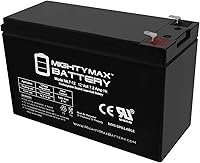
These are replacement batteries, not car charging adapters. Confirm your scooter’s battery requirements and charger instructions before choosing a replacement.
Can an inverter charge a mobility scooter while the car is running?
An inverter may power a scooter charger if its rating and the vehicle’s electrical system support the load. Check the inverter and vehicle manuals before using one while the engine runs.
Some vehicles limit accessory power, and inverter output can vary by model. A charger that draws more power than the inverter can supply may cause a shutdown or overload.
Keep the inverter in a dry, ventilated location, and secure it so it cannot slide or obstruct driving controls. Keep the scooter and charger secured as well, and route cables away from pedals, seat tracks, and hot surfaces.
Never run a vehicle in an enclosed garage or other closed space. Exhaust can build up even if the car is stationary.
Can you charge a scooter from a portable power station in a car?
A portable power station can be an option if it supports the charger’s input and has enough usable capacity. Confirm the required AC or DC output, continuous power rating, and charging limits before the trip.
A power station’s advertised capacity does not tell you exactly how much scooter charge you will gain. Conversion losses and the scooter’s battery condition affect the result, so plan for less than the full stated capacity.
Charge the power station as directed, secure it during travel, and avoid leaving it in direct sun or a hot vehicle. If you need a charging plan away from home, see how to charge a mobility scooter without a garage.
How can you charge safely during a road trip?
Use the scooter’s approved charger and a power source that meets its requirements. Stop charging if the battery, charger, plug, or cable looks damaged or becomes unusually hot.
Park in a safe place before setting up. Keep the charging area dry, leave ventilation around the charger, and avoid charging where fuel, water, or loose cargo could create a hazard.
Don't leave the setup unattended unless the scooter and charger instructions allow it. Keep the charger unplugged when not in use, and check that the scooter is stable before driving.
If charging doesn't start, inspect the outlet, connections, and charger indicator as the manual directs. Our guide to why a mobility scooter charger may not be working covers basic checks.
How long does car charging take?
Charging time depends on the scooter battery, how much charge remains, and the approved charger’s output. A car setup may add time if its inverter or power station limits the charger’s draw.
Use the charger’s indicator and the scooter manual to judge when charging is complete. Don't assume that a short stop has added enough range for the next part of the trip.
Plan charging breaks around the scooter’s stated range and your route. If you expect to charge overnight, read whether you can charge a mobility scooter overnight and follow the manufacturer’s guidance.
What should you do if car charging does not work?
Disconnect the setup and check compatibility before trying again. Don't repeatedly reset a tripped outlet or inverter without finding the cause.
Check that the vehicle outlet is on, the inverter has not shut down, and the charger connections are secure. Inspect cords for damage and stop if you notice heat, a burning smell, sparks, or a swollen or leaking battery.
If the setup remains unreliable, charge from a standard outlet using the approved charger or contact the scooter maker. A road top-up is useful only when the electrical setup is safe and dependable.
Should you charge a mobility scooter from your car?
Use car charging only when the scooter maker permits it and every part of the power chain is correctly rated. For most travelers, a compatible inverter or power station is the route to check, while direct battery connections are not appropriate.
Choose a vehicle outlet only when the charger supports its output. Choose an inverter or power station only after comparing its ratings with the charger.
If you cannot verify the match, wait for an approved wall outlet and use the standard charging method.
Frequently asked questions
Can I charge my mobility scooter from my car?
Sometimes, if you have a compatible power source such as a correctly rated inverter or portable power station. A car’s 12V outlet may not supply enough power for a scooter charger, and the scooter charger must match the battery system.
Check both manuals and the power source limits before connecting them.
Can I plug a mobility scooter charger into a car outlet?
Only if the charger’s input and the car outlet’s output are compatible, and the outlet can supply the required power. Many scooter chargers use household AC power, while a car outlet provides 12V DC.
Don’t use an adapter that only changes the plug shape or bypasses the charger.
Can I use a power inverter to charge a mobility scooter?
A power inverter may work if its continuous output supports the charger’s power draw and the car can safely supply that load. Check the scooter charger and inverter manuals, including any limits on engine use.
Stop if a plug, cable, or inverter becomes hot, smells unusual, or trips.
Is it safe to charge a mobility scooter while driving?
It can be safe only when the scooter maker, charger instructions, and vehicle power equipment allow it. Secure the scooter and charger, keep cables clear of pedals and moving parts, and avoid charging where heat or moisture can build up.
Never leave a damaged battery or charger connected.