Can You Use a Mobility Scooter on Sand?
On this page (3 sections)
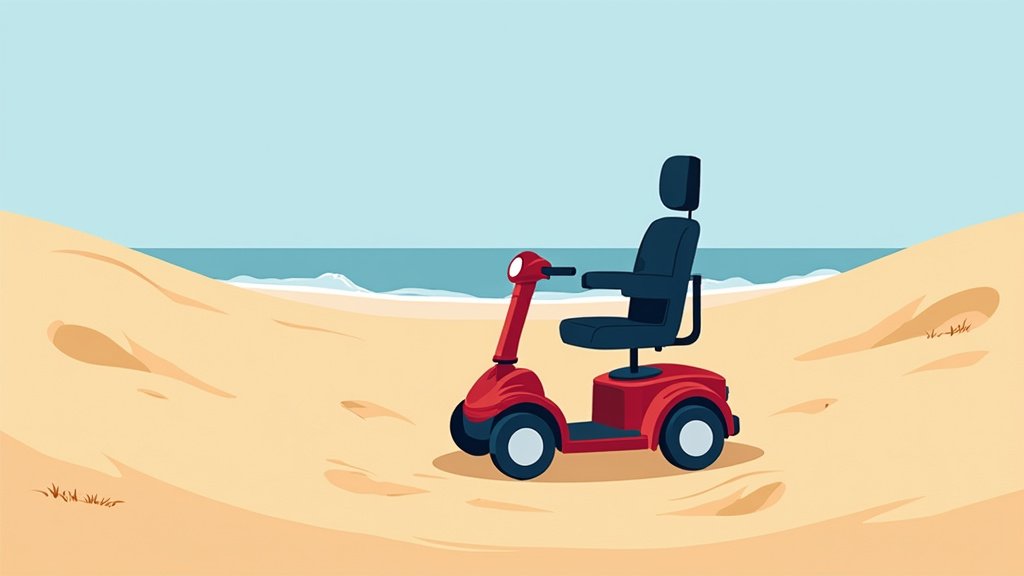
Yes, you can use a mobility scooter on sand, but it really depends on the type of scooter and the kind of sand. Not all mobility scooters are built for sandy terrains. You’ll need specific features to handle soft, uneven surfaces effectively.
Many standard mobility scooters struggle with loose sand. We found that specialized models, often called all-terrain scooters, are better equipped. They offer features like larger tires and more powerful motors designed for outdoor adventures, even at the beach.
- Specialized scooters handle sand better.
- Standard scooters often struggle on soft sand.
- Look for features like larger tires and powerful motors.
- Beach conditions (soft vs. firm sand) make a big difference.
So, let’s explore what makes a mobility scooter sand-friendly and how you can best prepare for your beach excursions.
Navigating Sandy Terrains with Your Mobility Scooter
You can definitely take a mobility scooter onto sandy areas. But it’s not always easy. We’ve found that specialized scooters handle sand much better than standard models. Think about where you want to go. A smooth, packed beach is different from soft, dry dunes.
Understanding Scooter Types and Their Sand Capability
Not all scooters are created equal for the beach. Imagine trying to drive a small car through deep mud. It probably won’t work well. The same goes for scooters and sand. Your scooter’s design plays a huge role.
Standard Mobility Scooters on Sand
Most standard mobility scooters are designed for flat, paved surfaces. They have smaller wheels and less powerful motors. On soft sand, these scooters tend to sink. Their tires might spin, getting you stuck. It can be frustrating and even damage your scooter.
We’ve observed that these scooters struggle with even slightly loose sand. The motors aren’t built for the extra resistance. You might find yourself needing a push, which isn’t ideal for independence.
All-Terrain Mobility Scooters: Your Beach Companion
If you dream of beach outings, an all-terrain mobility scooter is your best bet. These scooters are built tough. They feature larger, wider tires with deeper treads. This design helps them “float” over softer surfaces instead of sinking in. They also come with more powerful motors and better suspension systems.
Many all-terrain models have higher ground clearance. This prevents the underside of your scooter from dragging. Think of it like a jeep versus a sedan. One is made for rough paths, the other for smooth roads.
Key Features for Sand-Friendly Scooters
What should you look for in a scooter if you plan to hit the beach? There are a few non-negotiable features. These features make all the difference between a fun day and a difficult one.
Tire Size and Tread
The tires are probably the most important feature. You need large, pneumatic tires. Pneumatic means they are filled with air, like car tires. This provides better cushioning and grip. Wider tires distribute weight more evenly, preventing the scooter from sinking.
Deep, knobby treads are also crucial. They act like tiny shovels, gripping the sand for traction. Smooth tires will just spin in place. It’s like wearing sneakers on ice – you need grip!
Motor Power and Battery Life
Moving through sand requires more power. Your scooter’s motor needs to be robust. We’ve found that a higher wattage motor helps maintain speed and prevents bogging down. Sand creates a lot of resistance. A weak motor will quickly drain its battery trying to push through.
Speaking of batteries, you’ll want good battery life. Working harder means using more power. A larger battery capacity ensures you have enough juice for your entire outing. Imagine getting halfway down the beach and running out of power!
Ground Clearance and Suspension
Good ground clearance means the scooter’s frame is higher off the ground. This prevents it from getting stuck on uneven patches or small mounds of sand. It also protects the underside components from damage.
A strong suspension system is also beneficial. It absorbs shocks and bumps. This makes for a much smoother and more comfortable ride over uneven sandy terrain. Think of how a car’s suspension works over potholes. It’s similar for a scooter on sand.
The Impact of Sand Type and Beach Conditions
The beach itself plays a big part in your scooter’s performance. Not all sand is the same. The condition of the beach changes daily, sometimes hourly. Understanding these factors helps you plan better.
Soft, Dry Sand vs. Packed, Wet Sand
Soft, dry sand is the hardest to navigate. It offers very little resistance, and your wheels can easily sink. This is where specialized tires and power are critical. It’s like trying to walk through a freshly tilled garden.
Packed, wet sand, often found closer to the waterline, is much easier. It’s firmer and offers more support. Many standard scooters can manage this kind of sand with care. It’s almost like a firm dirt path.
We’ve seen that tide levels matter. Low tide often exposes more packed sand, creating wider, easier paths. High tide pushes the soft sand closer to walking areas.
Obstacles and Slopes
Beaches can have hidden challenges. Small dunes, shells, and driftwood can be tricky. Higher ground clearance helps here. Always scan ahead for potential obstacles. Nobody wants to get stuck or damage their scooter.
Slopes are another consideration. Even small inclines on sand are difficult. It requires significant power and good traction. Try to stick to flat areas if possible. If you must tackle a slope, do so slowly and directly, not at an angle (Mayo Clinic).
Preparing Your Scooter for a Beach Trip: A Checklist
Before heading out, a little preparation goes a long way. Think of it as a pre-flight check for your sandy adventure. These steps help ensure a smooth, enjoyable trip.
- Charge your battery fully: Sand consumes more power.
- Check tire pressure: Properly inflated tires perform better.
- Inspect for loose parts: Vibrations from sand can loosen things.
- Consider a seat cover: Protect against sand and sun.
- Pack a small brush: Useful for cleaning sand off your scooter afterward.
- Bring a mobile phone: For emergencies, just in case.
Choosing the Right Scooter for Beach Use: A Quick Comparison
To help you decide, here’s a quick overview of how different scooter types stack up for beach use. This isn’t about specific models but rather general categories. We’ve compiled this based on common features and observed performance.
| Scooter Type | Tire Size/Type | Motor Power | Ground Clearance | Ideal Sand Conditions |
|---|---|---|---|---|
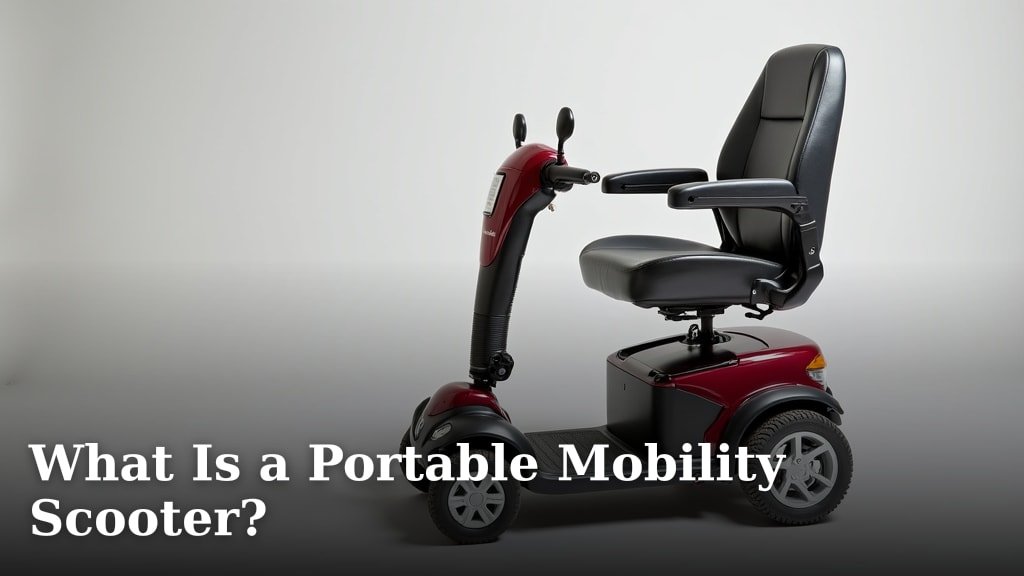
| Standard Portable | Small, solid/pneumatic | Lower | Low | Not recommended (struggles) |
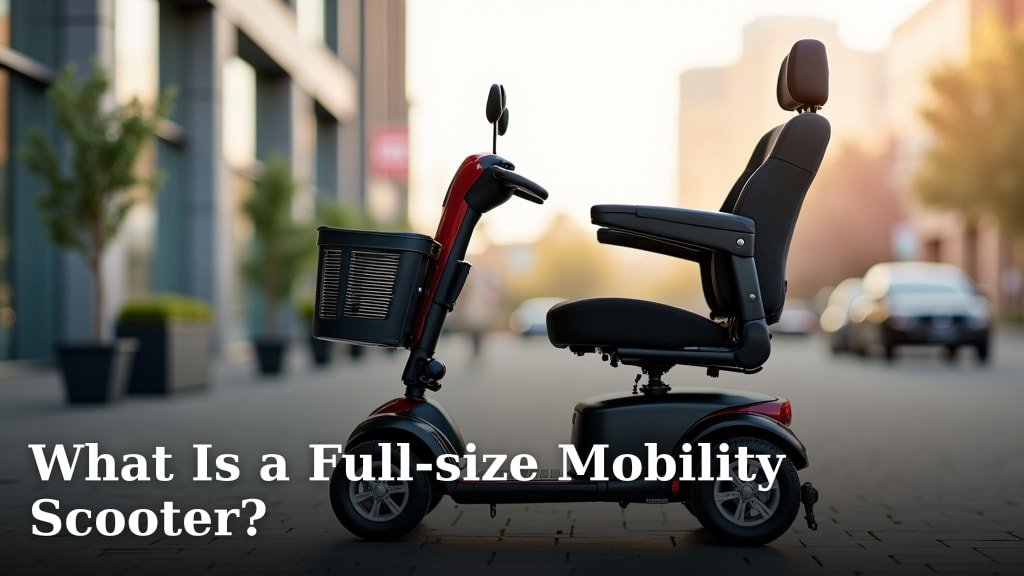
| Mid-Range/Full-Size | Medium, pneumatic | Moderate | Moderate | Packed, wet sand only |
| Heavy-Duty/All-Terrain | Large, wide pneumatic | High | High | Soft, dry, and packed sand |
As you can see, the heavy-duty and all-terrain models are designed for this kind of challenge. They have the robust features you need to truly enjoy a sandy environment. Consider your typical usage, but if beaches are a frequent destination, this table might steer you in the right direction.
Conclusion
You now know that enjoying the beach with a mobility scooter is entirely possible. It truly hinges on matching your scooter’s capabilities with the sandy terrain. While standard models might struggle, all-terrain scooters open up a world of possibilities for independent exploration. Prioritizing features like large, pneumatic tires, powerful motors, and high ground clearance will greatly enhance your experience.
Always remember to prepare your scooter and consider the specific beach conditions before you go. By choosing the right equipment and taking a few precautions, you can confidently navigate the sand. Now, go enjoy those beautiful sandy shores!
Frequently Asked Questions
Can I add special tires to my standard mobility scooter for beach use?
While some aftermarket tires exist, simply changing tires on a standard scooter might not be enough. The motor power, ground clearance, and suspension are also critical. A standard scooter’s frame might not handle the stress of sand even with better tires, potentially causing damage.
Will sand damage my mobility scooter over time?
Yes, sand can be abrasive and get into moving parts, potentially causing wear and tear. It’s crucial to clean your scooter thoroughly after each beach outing, especially the wheels and motor area. Regular maintenance helps protect your investment and prolong its life.
Are there any beach-specific mobility scooter rentals available?
Many popular beach destinations and accessibility organizations offer specialized all-terrain mobility scooter rentals. This can be a great option if you don’t own an all-terrain model but still want to enjoy a beach day. We recommend checking with local tourism boards or rental shops in advance.
What should I do if my mobility scooter gets stuck in the sand?
First, don’t panic or over-rev the motor, as this can worsen the situation or drain your battery. If possible, try to gently back up. If you’re really stuck, you might need assistance from a companion to help push you out. Always ensure your phone is charged for emergencies.
How do I protect my scooter’s electronics from sand and salt water?
Many all-terrain scooters have some level of water and sand resistance, but none are completely waterproof. Avoid driving through standing water or directly into waves. Consider using a weather-resistant cover when parked. Regularly clean off any sand, as salt can cause corrosion over time.