Grab Bar vs Handrail: What Is the Difference? (November 2026)
A grab bar supports your hand near a place where you sit, stand or transfer; a handrail gives you a steady guide along steps or a walkway. Choose by where you need support and how you will hold it.
On this page (7 sections)
A grab bar supports your hand near a place where you sit, stand or transfer; a handrail gives you a steady guide along steps or a walkway. For grab bar vs handrail, start with the task and location, then choose a support designed to fit.
A bathroom grab bar is usually a short, fixed bar placed within reach of a shower, tub or toilet. A handrail is generally longer or shaped to follow a route, such as beside steps.
The names can overlap in product descriptions, so look at the shape, mounting method and intended location. A bar being called a “handrail” does not by itself make it suitable for every stair, shower or transfer.
What is the difference between a grab bar and a handrail?
A grab bar offers a nearby handhold; a handrail provides support along a path. The best choice depends on whether you need to steady yourself in one spot or hold on while moving.
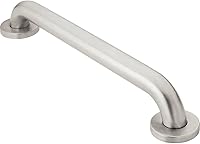
A grab bar may be straight, angled or shaped for a specific area. It is often installed near a shower, bathtub or toilet, where you can reach it while changing position.
A handrail is commonly used beside a staircase, ramp or walkway. Its length and placement help you keep a grip as you travel along that route.
Both need an appropriate installation for the location and intended use. A poorly placed or unsuitable support may be hard to grasp when you need it, so consider your reach and movement before choosing one.
Which support do you need in the bathroom?
Choose a grab bar when you need a handhold at a bathroom fixture or transfer point. A long stair rail does not solve the same problem as a bar placed within easy reach of a shower or toilet.
Think about where you place your hands when sitting down, standing up, stepping into a tub or turning in the shower. A support should be positioned for that movement, not simply wherever there is open wall space.
If you're planning several bathroom changes, our bathroom safety for seniors guide covers the room as a whole. For specific styles and placements, compare best grab bars for bathrooms and best grab bars for showers.
A towel bar is not a substitute for a grab bar. They may look similar, but they serve different purposes and may attach differently.
See our guide to grab bar vs towel bar before using any bathroom fixture for support.
When does a handrail make more sense?
Choose a handrail when you need support along steps or a route between places. Its length and shape can give you something to hold as you move rather than only at one transfer point.
For a short set of steps, look for a rail intended for that type of installation. Check the mounting surface and the rail's shape, then confirm the placement works with your approach and grip.
The SELEWARE Handrail for Outdoor Steps is designed for one or two steps and has a U-shaped, dual-level design. It is described for indoor or outdoor use and mounts to a wall or pillar.
A longer staircase or ramp may call for a different rail. Measure the route and check applicable building rules before you select or install one.
The U.S. Access Board accessibility standards are a starting point for accessibility requirements; local rules may also apply.
How do mounting and surface affect the choice?
Match the support to a suitable mounting surface and follow its installation instructions. A fixed bar, suction grip and stair handrail do not attach the same way.
A fixed grab bar needs an appropriate attachment to the wall structure. The Vive bar can be mounted vertically, horizontally or diagonally, and its product information lists acrylic, fiberglass, drywall and plaster among suitable surfaces.
Check the installation instructions for the exact wall and mounting method before relying on it.
A suction bar depends on a smooth, non-porous, airtight surface. The TAILI bars are described for surfaces such as glass, tile, marble, stainless steel and acrylic, but not uneven tile, wallpaper, drywall, porous walls or painted walls.
Its product information also says not to put all your body weight on the bars.
A stair handrail uses its own mounting hardware and needs a suitable wall or pillar. The SELEWARE rail includes screws and expansion bolts described for concrete, wood or brick surfaces.
If the structure or surface is uncertain, ask a qualified installer to assess it.
Don't choose by installation convenience alone. A removable grip can be easier to relocate, while a fixed support may suit a location where you want a lasting handhold.
Each option still has to fit the surface and the way you intend to use it.
What if you need help getting into a car?
A portable car handle is meant for vehicle entry and exit, not for a bathroom wall or stairway. It fits into a compatible U-shaped door latch to give you a handhold while getting in or out.
The KOUNATSURI 2Pack Car Door Handle for Elderly is described for U-shaped latches and has a sponge sleeve handle. Its compact format is intended for carrying or storing in a vehicle.
Use the handle only as intended for a compatible car. It is not a permanent rail, and it won't provide support in a shower or beside steps.
If you use a mobility device, these guides to 3-wheel vs 4-wheel mobility scooters and scooter vs electric wheelchair can help with a separate mobility choice.
What should you check before buying?
Check the support's intended location, grip shape, mounting method and fit for your movement. Those details matter more than whether the product title uses “grab bar” or “handrail.”
Measure the space and consider where your hand naturally reaches. A bar that's too far away, too short for the route or awkward to grasp may not suit your needs.
Then confirm the surface and attachment requirements. For a suction grip, check the full surface where the cups will sit.
For a fixed bar or rail, confirm the mounting structure and follow the installation instructions.
Think about the look only after the practical fit is clear. If appearance matters in a bathroom, browse decorative grab bars that still match your intended use and installation needs.
If you are budgeting a bathroom change, compare likely installation needs as well as the bar itself. Our guide to grab bar costs explains the factors to consider.
Which should you choose?
Pick a grab bar for a handhold near a shower, tub or toilet; pick a handrail for steps or a path; choose a portable car handle for vehicle entry. Match the support to the place and movement where you need it.
A fixed bathroom grab bar may suit a lasting installation, while a suction bar is limited to surfaces that meet its requirements. For steps, choose a rail designed for that route and mounting surface.
Before you buy, confirm the installation details and make sure you can reach and hold the support comfortably. If the location or mounting structure is unclear, get help assessing it before installation.
Frequently asked questions
Can a grab bar be used as a handrail?
A grab bar can provide a handhold, but it may not have the length or shape you need along a stairway. Choose a support made for the location and grip you need, and have it attached to a suitable structure.
A short bathroom bar does not automatically replace a stair handrail.
Are suction grab bars the same as mounted grab bars?
No. Suction grab bars attach to eligible smooth, non-porous surfaces, while fixed grab bars use mounting hardware.
A suction bar's surface limits and weight guidance matter: the TAILI bars described here are not for drywall, painted walls, uneven tile or supporting full body weight.
Where should a bathroom grab bar go?
Place a bathroom grab bar where you need a steady handhold, such as near a shower entrance or toilet transfer. The right position depends on your movement, reach and bathroom layout.
Before drilling, check the wall structure and the installation instructions, or ask a qualified installer to assess the location.
Do stair handrails have to follow building rules?
Building requirements depend on the location and project. Check the rules that apply to your home before installing a stair handrail, especially if the work is part of a renovation or permitted project.
The U.S.
Access Board publishes accessibility standards, but local requirements can differ.