
Choosing between a 3-wheel and a 4-wheel scooter often comes down to your stability needs and intended use. A 3-wheel scooter offers greater maneuverability and a tighter turning radius, making it ideal for indoor use or navigating crowded spaces. A 4-wheel scooter provides superior all-around stability and a smoother ride over varied terrain, often preferred for outdoor adventures.
Your personal comfort and the surfaces you’ll most often travel on are key factors. We found that while both offer mobility assistance, the number of wheels directly impacts how the scooter handles turns and uneven ground. Think about where you’ll be using your scooter most frequently to make the best choice for your lifestyle.
TL;DR:
- 3-wheel scooters are more agile and great for tight turns.
- 4-wheel scooters offer more stability and a smoother ride.
- Consider where you’ll use it most: indoors or outdoors.
- Your personal comfort and stability needs are the biggest factors.
Let’s walk through the differences to help you decide which scooter is the perfect fit for you.
Navigating Your Mobility Scooter Choice: 3-Wheel vs. 4-Wheel
Deciding between a 3-wheel and a 4-wheel scooter can feel like a big choice. Both offer fantastic ways to regain independence and explore your surroundings with ease. You’re likely wondering which one will truly fit your lifestyle best. We’ve looked into what makes each type tick, and it really boils down to where you plan to go and what kind of stability you need.
Understanding the Core Differences
At first glance, the number of wheels seems simple, but it’s the key to how each scooter performs. Think of it like choosing between a sports car and a sturdy truck. The sports car is nimble and quick, while the truck is built for tougher jobs and carrying more. It’s a similar idea with scooters.
The Agility of Three Wheels
A 3-wheel scooter has one wheel in the front and two in the back. This setup gives it a tighter turning radius. Imagine trying to turn your car around in a narrow driveway. A 3-wheel scooter can do that much more easily. This makes them fantastic for navigating tight indoor spaces, like your home, grocery store aisles, or shopping malls. You’ll find yourself maneuvering around furniture and tight corners with surprising ease. Many users find this maneuverability a huge advantage for daily life indoors.
The Stability of Four Wheels
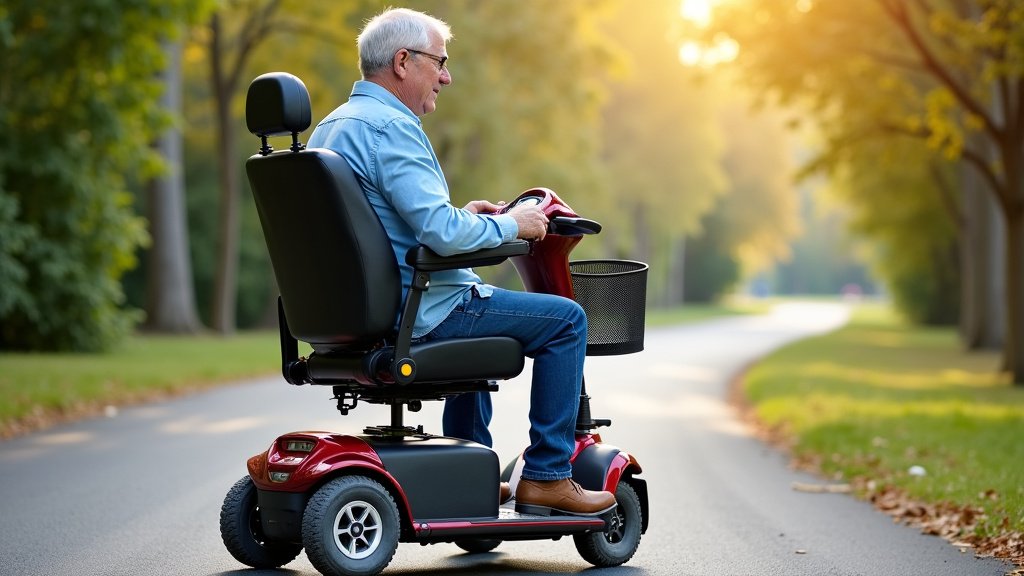
With four wheels—typically two in the front and two in the back, or sometimes one in the front and three in the back in some configurations—a 4-wheel scooter offers a wider base of support. This translates to superior stability. Think of it like a four-legged chair versus a three-legged stool; the four-legged one is generally more stable. This extra stability is especially noticeable when you’re traveling over uneven surfaces or at higher speeds. You’ll feel more secure on sidewalks, slight inclines, or even gravel paths.
Performance on Different Terrains
The number of wheels significantly impacts how your scooter handles the ground beneath it. Your typical travel routes will heavily influence which type is your best bet.
Indoor Navigation: The 3-Wheel’s Domain
If your primary use for a scooter is inside your home or in other indoor environments, a 3-wheel model often shines. Its ability to make sharp turns is a real game-changer. You can easily navigate hallways, get around obstacles, and even turn 180 degrees in a compact space. This is because the single front wheel allows the scooter to pivot more freely. We found that for individuals who spend most of their mobility time indoors, the agility of a 3-wheel scooter is often the deciding factor.
Outdoor Adventures: The 4-Wheel Advantage
When you envision yourself cruising through parks, running errands around town, or enjoying longer outdoor excursions, a 4-wheel scooter usually takes the lead. The extra wheel provides a more planted and steady feel. This is particularly important when dealing with bumps, cracks in the sidewalk, or grass. Many experts suggest that the added stability of a 4-wheel model can reduce the risk of tipping on uneven ground (National Institute on Aging). For those who need that extra assurance, especially on varied outdoor terrain, a 4-wheel scooter is often the preferred choice.
Handling Obstacles and Uneven Ground
Even within outdoor use, consider the specific challenges you might face. A 4-wheel scooter generally has a better ability to handle small bumps and uneven surfaces without feeling shaky. The wider stance distributes weight more evenly, offering a smoother ride. While some 3-wheel scooters can handle moderate outdoor terrain, they may not feel as secure as a 4-wheel model on rougher paths.
Stability vs. Maneuverability: Weighing Your Needs
This is where you really get to the heart of the decision. It’s a trade-off between being able to turn on a dime and feeling rock-solid steady.
Prioritizing Stability
For some users, the feeling of absolute stability is non-negotiable. This might be due to balance concerns or simply a preference for a more grounded experience. A 4-wheel scooter offers that inherent stability. It’s built for those who want the most secure ride possible, especially when moving at speed or on less predictable surfaces. Many users report feeling more confident on a 4-wheel model when traversing varied environments.
Prioritizing Maneuverability
On the flip side, if your daily life involves a lot of tight turns, indoor navigation, or simply the desire to move around nimbly, a 3-wheel scooter might be your perfect match. The ability to make tighter turns means you can get into smaller spaces, pivot easily to face different directions, and generally move with more freedom in confined areas. This increased agility can make everyday tasks much easier and less frustrating.
A Quick Comparison Table
To help you visualize the differences, here’s a quick look:
| Feature | 3-Wheel Scooter | 4-Wheel Scooter |
|---|---|---|
| Turning Radius | Tighter, more agile | Wider, less agile |
| Stability | Good, but less than 4-wheel | Excellent, superior |
| Ideal For | Indoor use, tight spaces, quick turns | Outdoor use, varied terrain, maximum stability |
| Ground Clearance | Generally lower | Generally higher |
| Weight Capacity | Varies, comparable to 4-wheel | Varies, comparable to 3-wheel |
Comfort and User Experience
Beyond just performance, how the scooter feels to you is incredibly important. Both types aim to provide comfort, but the experience can differ.
The Ride Quality
Generally, 4-wheel scooters tend to offer a smoother ride, especially over bumps or uneven surfaces. The additional wheel contact points help absorb shocks and vibrations. This can lead to less fatigue on longer journeys. Many users find the ride more comfortable because it feels less jarring. The longer wheelbase on many 4-wheel models also contributes to a more stable and less bouncy experience.
Seating and Ergonomics
Both 3-wheel and 4-wheel scooters come with various seat options, from basic padded seats to fully adjustable captain’s seats. Your personal comfort is paramount, and you should look for a model that supports your back and allows you to sit comfortably for extended periods. Features like adjustable armrests and tiller angles are available on both types and contribute to a personalized fit. We found that adjustable features allow users to fine-tune their seating position for optimal comfort, regardless of the number of wheels.
Ease of Operation
Operation is typically similar for both scooter types, with intuitive controls for speed, direction, and braking. However, the maneuverability of a 3-wheel scooter can make it feel easier to operate in tight indoor spaces. Conversely, the steady feel of a 4-wheel scooter can make it feel more confidence-inspiring for those who might be nervous about stability.
Key Considerations Checklist
To help you make your final decision, run through this quick checklist:
- Where will you use your scooter most? Indoors (3-wheel) or outdoors (4-wheel)?
- How important is tight turning ability? Very important (3-wheel) or not a priority (4-wheel)?
- What kind of surfaces will you travel on? Smooth indoors (3-wheel) or varied outdoors (4-wheel)?
- How much emphasis do you place on maximum stability? High (4-wheel) or moderate (3-wheel)?
- Do you prefer a nimble feel or a planted, steady feel? Nimble (3-wheel) or planted (4-wheel)?
- What is your budget and available storage space? (Both types vary, but consider overall footprint).
By thinking through these points, you’ll start to see which type of scooter aligns best with your daily routine and personal preferences.
Conclusion
Choosing between a 3-wheel and a 4-wheel scooter really comes down to how you plan to use it. If your priority is navigating tight indoor spaces with ease, the agility of a 3-wheel scooter will likely serve you best. For those who need the utmost stability when venturing outdoors or over varied terrain, a 4-wheel scooter offers that extra confidence. We’ve seen that understanding your personal needs for stability versus maneuverability is the key. Now that you know the differences, take a moment to picture your daily routes and make the choice that feels right for your independence.
Frequently Asked Questions
Can a 3-wheel scooter be used outdoors?
Yes, many 3-wheel scooters can be used outdoors on relatively smooth surfaces like sidewalks or paved paths. However, they generally offer less stability than a 4-wheel model, especially on uneven ground or at higher speeds. You might find them less secure on grass, gravel, or bumpy terrain.
Which type of scooter is better for seniors?
The “better” scooter depends entirely on the senior’s individual needs and mobility. If balance is a major concern and they plan to use it mostly outdoors, a 4-wheel scooter often provides superior stability. If they primarily need assistance within their home or in shops with tight aisles, a 3-wheel scooter’s maneuverability might be more suitable.
Do 4-wheel scooters turn as sharply as 3-wheel scooters?
No, 4-wheel scooters typically have a wider turning radius compared to 3-wheel scooters. This means they require more space to make a turn. While this makes them less agile in tight spaces, it contributes to their overall stability and smooth ride over different surfaces.
Is there a difference in speed between 3-wheel and 4-wheel scooters?
Generally, the top speed of mobility scooters is not determined by the number of wheels but by the motor and battery specifications. Both 3-wheel and 4-wheel models come in various speed options. Your choice should focus on stability and maneuverability rather than speed differences.
Which type of scooter is easier to transport?
Portability can vary greatly by model within both categories. Some 3-wheel scooters are designed to be lightweight and easily disassembled for transport. Similarly, there are many compact and portable 4-wheel scooters available. Always check the scooter’s weight and how it disassembles if you plan to put it in a car.
