Outdoor Stair Lifts for Seniors: What to Know Before You Buy
Outdoor stair lifts for seniors must be approved for outdoor use and fit the exact staircase. Check weather protection, track layout, installation, power, safety features and how the user will board and exit before you buy.
On this page (13 sections)
- What should you check before buying outdoor stair lifts for seniors?
- How is an outdoor stair lift different from an indoor one?
- What should you measure on outside steps?
- Which safety and access details should you compare?
- What can help with only a few outdoor steps?
- How do the three products fit different needs?
- How much does an outdoor stair lift cost?
- Can an outdoor stair lift damage steps?
- When could another outdoor mobility aid fit better?
- What mistakes should you avoid?
- What should you ask the installer?
- How should you set up and care for an outdoor stair lift?
- How do you choose an outdoor stair lift for seniors?
Outdoor stair lifts for seniors should be approved for outdoor exposure and fitted to the exact stairs. Before you buy, check weather protection, track fit, safe boarding, power and installation.
A device that helps on steps still needs to match the user’s balance, strength and ability to operate it.
A porch lift may face rain, sun, wind and changing temperatures. Don’t assume an indoor stair lift can be installed outside just because the stairs are straight.
Get approval for the exact model and installation from the manufacturer.
Start with the person who will use the lift and the route they need to travel. Measure the stairs, note the landing space and compare a lift with other stair lift options.
What should you check before buying outdoor stair lifts for seniors?
Check outdoor approval, staircase fit and user safety before comparing convenience features. A model that works indoors may not be built to handle the weather at your home.
Ask the manufacturer or installer to confirm these details for the exact model and site:
| Check | What to confirm |
|---|---|
| Outdoor use | The model is approved for the weather and temperature exposure at your home |
| Track fit | The track follows the stair route and ends at usable boarding points |
| Weather care | Which parts need protection when the lift is parked |
| Power | How the lift charges or receives power, and what happens during an outage |
| Safety features | Which controls, sensors and stops are included |
| Installation | Who will install it and whether the stairs and landings are suitable |
| Service | How maintenance and repairs are handled in your area |
Photos can help an installer understand the layout, but they don’t replace an on-site assessment. Share the stair measurements, landing space, nearby doors and the route the user takes to reach the steps.
The right stair lift for a senior also depends on whether the person can transfer onto the seat, sit securely, use the controls and exit at the other end. Include the person who will use it in the decision.
How is an outdoor stair lift different from an indoor one?
An outdoor stair lift needs the manufacturer’s approval for outdoor exposure. Ask what the exact model can handle in your climate and what protection or care it requires.
Rain, direct sun, dust and temperature swings can affect exposed equipment. A cover may help protect a lift when parked if the manufacturer recommends one, but a cover doesn’t turn an indoor model into an outdoor model.
Ask for care instructions for the track, seat, controls and charging contacts. Find out where the lift should be parked and what to check after severe weather.
The approach to the lift matters, too. A wet or uneven porch, narrow landing or door that swings into the boarding area can make it difficult to use even when the track fits.
What should you measure on outside steps?
Measure the stairs and both boarding areas, then ask an installer to confirm the track route. Turns, changes in level and limited landing space can affect the design.
Record the stair width, step depth, total rise and distance from the first to last step. Note any turn or curve, as well as the space at the top and bottom for boarding and exiting.
Check for handrails, posts, gates, door swings and nearby walkways that could interfere with the track or seat. Also note where water collects and whether the steps become slippery.
Don’t order based on a rough estimate of stair length. Have the installer check the route and clearance before you commit.
Which safety and access details should you compare?
Compare how the person gets on, rides and gets off, along with the safety controls. A feature helps only if the user can operate it and the landing is clear.
Ask about the seat, armrests, footrest, swivel or turn mechanism, call stations, sensors and controls. Confirm which features are included on the outdoor model you’re considering.
Plan how the user will reach the seat from inside and where they’ll go after exiting. If a caregiver will help, make sure there’s room to assist without standing in the track’s path.
If the person has trouble transferring, standing or following controls, ask a healthcare professional or occupational therapist to help assess the setup. Age alone doesn’t tell you whether a stair lift is a safe fit.
What can help with only a few outdoor steps?
For a short set of steps, compare a permanent stair lift, a ramp and a stair assist cane. The best option depends on available space, the slope and the person’s ability to use it safely.
A ramp needs enough room for its slope and landings. A stair lift needs a track that fits the stairs and a safe place to board.
A cane or other portable stair aid still requires the user to step and balance.
The HeywoodCabin stair assist cane has 20 height settings from 35 to 45 in, a foam handle and four rubber feet. It suits someone who can still climb steps with support, but it isn’t a powered lift and doesn’t remove the need to manage each step.
A portable aid needs a safe user and suitable footing. Wet or uneven outdoor steps can make balance harder, so ask a mobility professional whether an assist cane is appropriate for the actual route.
For other portable options, compare the portable stair lift options for seniors and confirm how each one works before deciding. The term “portable stair lift” can refer to a different kind of aid than a track-mounted seat lift.
How do the three products fit different needs?
These options serve different purposes: two are assist canes, while one is a battery-powered lift described for straight stairs. None should be selected for outdoor use without checking the fit and suitability for the person and location.
The HeywoodCabin cane is a simple option for someone who can climb stairs but needs a stable handhold. Its height adjusts from 35 to 45 in, and it has four rubber feet and a stated 300 lb capacity.
The AmeriGlide Rave 2 is a battery-powered lift described for straight staircases. For replacement options, compare stair lift batteries.
It includes 15 ft of track, a swivel seat, flip-up seat and armrests, a footrest safety sensor, and wireless call stations at both ends.
It may suit someone who needs seated travel, but confirm outdoor approval, track fit and installation with AmeriGlide before considering it for outside stairs. Ask whether stair lifts have battery backup during an outage.
The AMOVO cane adjusts from 28.5 to 45.5 in in height and has an adjustable width. AMOVO describes it for indoor and outdoor mobility support, but the user still needs to step safely and maintain balance.
A stair lift and an assist cane aren’t substitutes for each other. For manufacturer options, compare stair lift brands.
Choose based on whether the person can climb, whether seated travel is needed and whether a lift can be installed on the stairs.
How much does an outdoor stair lift cost?
The cost depends on the lift, track, installation and site conditions. Ask for a written quote based on your stairs rather than relying on a general price range.
Check whether the quote includes the track length, delivery, installation, electrical work, outdoor protection and any changes to the steps or landing. Ask what service is included and what could add to the total.
A straight track may have different requirements from a curved or custom route. The guide to stair lift costs can help you prepare questions, but an outdoor quote should reflect your exact installation.
If you hope to use insurance or another assistance program, ask the program and supplier what documents they require before ordering.
Can an outdoor stair lift damage steps?
A stair lift may attach to the stairs or another support surface, depending on its design. The exact method matters for outdoor steps, where water, frost and general wear can already affect the surface over time.
Ask how the exact track will be mounted and what changes installation or removal will leave behind. Mounting can involve brackets, screws or other fixings in the step surface, and the location of each fixing should be explained before work starts.
Request details about mounting points, fasteners and surface preparation. Ask which parts of the step will be drilled or otherwise changed, and whether any holes or marks are likely to remain if the lift is later removed.
If the stairs are concrete, stone or part of a shared building, ask whether the installer needs a different method or additional approval. Outdoor steps can be harder to repair than indoor timber, so a careful plan is worth seeking early.
Read more about whether stair lifts damage stairs. Have the installer explain the likely effect on your own steps before work begins.
Ask who will restore or seal the surface after installation, if that is needed. Ask also whether the track route can be moved to reduce drilling in the most exposed part of the steps.
Check how water will drain around brackets and fixings after rain. Standing water can make a fixing point harder to inspect and can shorten the life of the surface around it.
Confirm whether the installer will mark the proposed fixing positions for your approval. Seeing the positions on the actual steps can help you judge the effect before any drilling takes place.
Ask what happens if the track needs adjustment during or after fitting. Extra holes may be needed if the first positions do not give a secure fit, and you should know how that will be handled.
For a rented home or a shared entrance, get any necessary permission in writing before installation. The owner or building manager may have rules about drilling, attachments and removal.
If you plan to remove the lift in the future, ask what filling or repair work is recommended. Some surfaces can be patched neatly, while others may still show signs of the original fixing points.
When could another outdoor mobility aid fit better?
Another aid may fit better if there is no suitable track route or the person needs help across a larger outdoor area. A stair lift solves one specific problem, and it may not suit a route that includes paths, thresholds or uneven ground.
Match the equipment to the surface, slope, turning space and user’s control needs. The right choice depends on what the person must do at each stage of the trip, not only on the steps themselves.
A mobility scooter may help on suitable paths, but it does not provide a way up or down steps. It suits longer outdoor travel when the ground is firm, reasonably smooth and wide enough for safe turning.
If the main need is travel over outdoor ground, compare mobility scooters for outdoor use and outdoor mobility scooters. Look at the type of surface, the gradient and the space needed to turn and park.
Consider the full route from the home to the destination. Include thresholds, gates, slopes and the transition from the porch to the path, as each change can affect balance and control.
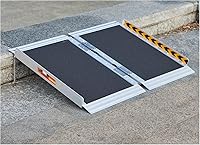
A ramp may suit a short rise where there is enough length for a gentle slope. It needs clear space for the ramp and landings, and the person must still be able to manage the slope safely.
An assist cane may suit someone who can still step up and down with support. It offers a handhold on the steps, but it does not carry the person or remove the need to balance during each step.
A powered chair or lift may be more suitable when seated travel is needed. Even then, the equipment must be approved for outdoor use and must fit the exact stairs and landings.
Think about who else uses the outdoor area, including family members, visitors and delivery drivers. Equipment that blocks a narrow porch or path can create a new problem for everyone.
Ask a mobility professional to assess the whole route if you are unsure. They can compare the person’s strength, balance and control with the demands of each option.
Weather should also shape the decision from the start. Wet paving, leaves, ice and compacted snow can make some aids harder to use, so choose equipment that suits the conditions the person will actually face.
What mistakes should you avoid?
Avoid assuming a lift is outdoor-ready, ordering before measuring or choosing an aid based only on its weight limit. Each can leave you with equipment that doesn’t suit the stairs or the person.
- Don’t treat “battery powered” as proof of outdoor approval. Ask the manufacturer about the exact model and setup.
- Don’t estimate track length from a photo. Have an installer check the full route and both landings.
- Don’t overlook the approach. A lift can fit and still be hard to reach through a narrow doorway or across a slick porch.
- Don’t assume a cane carries the user up the steps. The person must still step, balance and place the cane correctly.
- Don’t ignore care needs. Ask how to protect and maintain the lift in your local weather.
- Don’t buy before checking who installs and services it. Know who to contact if it needs adjustment or repair.
What should you ask the installer?
Ask who approves outdoor use, how the track fits and what care the lift needs. Get clear answers before placing an order.
- Is this exact model approved for the weather and temperature range at my home?
- Which parts need a cover, and where should the lift be parked?
- Does the track fit the stairs, landings and door clearances?
- Who will install it, and what does the work involve?
- What power source and charging arrangement does it use?
- Which safety features are included?
- What routine checks or service does it need?
- What does the quote include, and what could add cost?
If an answer is unclear, contact the manufacturer directly. The installer should explain the proposed layout and identify any limits on access.
How should you set up and care for an outdoor stair lift?
Set up the lift according to the manufacturer’s instructions and the installer’s site plan. Keep the boarding areas clear and follow the care steps for the specific model.
Before the first ride, make sure the user understands how to sit, use the controls and get off at the destination. Keep the top and bottom landings free of clutter, and don’t let doors or gates block the route.
Use only the cleaning and weather-protection methods the manufacturer recommends. Ask where the lift should be parked, whether it needs a cover and what to check after heavy rain or a temperature change.
For an assist cane, adjust the height as instructed and check that every foot rests securely on the step before leaning on it. Don’t remove parts the instructions identify as necessary for stability.
How do you choose an outdoor stair lift for seniors?
Choose an outdoor stair lift only after the manufacturer confirms outdoor use and an installer confirms the fit. Then make sure the person can board, use the controls and exit safely.
Pick a powered lift if seated travel is needed and an approved model fits the stairs. Consider a ramp or another aid when the space and the person’s abilities make it practical.
For a short set of steps, an assist cane may suit someone who can still climb with support. Get a site-specific quote and care instructions before you buy, and compare portable stair lift options for seniors if you’re still weighing different kinds of help.
Frequently asked questions
Can an indoor stair lift be used outside?
Use a stair lift outdoors only when the manufacturer approves the exact model and setup for your weather exposure. Ask about the track, seat, controls, charging arrangement and any required cover.
Rain, sun, temperature changes and moisture can affect equipment designed for indoor use.
What should I measure before buying an outdoor stair lift?
Measure the stair width, rise, tread depth, total run, landings and available path for the track. Note turns, doors, gates and handrails near the steps.
An installer should use those details to confirm the track route and boarding space before you order.
Does an outdoor stair lift need a cover?
The need for a cover depends on the model and the weather where you live. Ask which parts need protection while parked and whether the cover protects the seat, controls and other exposed parts.
Follow the manufacturer's instructions for cleaning and care.
Can I install an outdoor stair lift myself?
Installation depends on the model, staircase and the manufacturer's instructions. A self-install option is suitable only if it is approved for outdoor use and you can safely measure, mount and check the system.
An installer can assess the track, landings and power needs at your home.
What if I only need help on a few outside steps?
For a few steps, compare a stair lift with a ramp or another mobility aid. The right choice depends on the slope, space, walking ability and whether the person can use the aid safely.
For an assist cane, the person must still step up and down.
Ask a mobility professional to help assess the route if you are unsure.