Stair Climber for Disabled Adults: Which Type Fits?
The right stair climber depends on what needs to go up or down the stairs: a stairlift carries a seated person, a stair-climbing wheelchair carries its user in their chair, and a climbing cart moves belongings. A cart is not a way to transport a person.
On this page (6 sections)
- What does “stair climber” mean for a disabled person?
- Which device carries a person on stairs?
- When does a stair-climbing cart make sense?
- How do you choose between a stairlift and a wheelchair?
- What should you check before using a climbing cart on stairs?
- How do you narrow down the right stair climbing aid?
The right stair climber for disabled adults depends on what needs to move: a person, a wheelchair user, or belongings. Stairlifts and stair-climbing wheelchairs are designed to carry a person.
Stair climbing carts are for loads such as groceries and laundry.
That distinction matters for safety. A cart's wheels may help it roll over steps, but it has no seat or occupant restraint.
It must never carry a person.
It also matters for daily life at home. A device chosen for a rider solves a different problem from a device chosen for shopping or laundry.
Mixing those jobs up can create risk on the stairs.
Families often search by need rather than by product name. Some people need to move between floors themselves.
Others need help moving items that are too heavy to carry by hand.
Starting from that first question keeps the choice clearer. Decide what must move, who will control the device, and how often the trip will happen.
That order helps avoid buying equipment that looks right online but fails in a real hallway.
A cart can be useful when the main task is errands. A stairlift or stair climbing wheelchair is a different class of equipment for a rider.
Naming the job first makes the next comparison easier.
Safety should come before convenience. If a device is not built to support and restrain a seated rider, it is not a safe substitute.
Even a strong cart frame does not change that limit.
The same care applies to transfers and balance. A person who can manage a light load on level ground may still struggle with a full load on steps.
The load, the staircase, and the user's control all need to match.
Once the job is clear, the home can be checked in practical terms. Measure the stairs, note turns and landings, and think about space at the top and bottom.
A short list based on the real route is more useful than a long list based on features alone.
What does “stair climber” mean for a disabled person?
A stair climber can mean several devices, but only some are designed to transport a person. First decide what must go up or down the stairs.
| Device | What it moves | Consider it when |
|---|---|---|
| Stairlift | A seated person along a rail | The user can transfer to and from the seat, and a rail route can be fitted |
| Stair-climbing wheelchair | The wheelchair user and chair | The user needs to remain in a chair while moving between floors |
| Climbing cart | Groceries, laundry, or other belongings | The user can safely control a loaded cart, or someone else handles it |
| Ramp or platform lift | A person using a wheelchair or mobility aid | The home layout and available space suit an accessible route |
A stair climber for disabled people is not one standard product category. Search terms such as "stair climber for handicapped" may bring up carts, wheelchairs, and lifting equipment together.
Check what each device is built to carry.
That mix can confuse shoppers. A stair climbing cart is made to move goods over steps.
A stairlift is installed to move a seated person along a fixed rail.
A stair climbing wheelchair is made to move the user while they stay in a chair. Those three jobs overlap in search results but not in use.
Reading the product description closely helps separate them.
For a broader comparison of stair lift options, start with the home layout, the user's needs, and whether they can transfer safely. A rail route needs room at both floors.
The seat also needs to be reachable without awkward twisting.
Transfer ability is often the deciding point. Some users can step onto a seat with support.
Others need to stay in a wheelchair because standing or sitting in a separate seat is not practical.
Chair needs matter too. Posture support, footrests, controls, and turning space can affect which option works.
A device that fits one user may not fit another with the same diagnosis.
The staircase itself sets limits. Width, slope, landings, and door positions can rule out a rail or a large chair system.
An in person look at the stairs often reveals problems that photos do not show.
It helps to write down the daily routine before comparing models. Note how many trips are needed, who helps, and what happens when the user is tired.
A solution that works once may still fail as a daily routine.
Costs and care also differ by category. Installed equipment involves fitting and ongoing checks.
A cart is simpler, but it still needs a safe load and a controlled route. Keeping categories separate makes those trade offs easier to judge.
Which device carries a person on stairs?
A stairlift or stair-climbing wheelchair may be suitable for moving a person, depending on their needs and the staircase. A shopping cart is not a substitute for either one.
A stairlift follows a rail installed beside the stairs and carries a seated rider. This option can fit someone who can get into and out of the seat with suitable support.
It suits a home where a rail can be fitted without blocking safe use of the stairs.
The rail route, landings, stair shape, and transfer space need an in person assessment. Space at the top and bottom matters as much as the stairs themselves.
A seat that cannot be reached safely will not work, even if the rail fits.
A stair climbing wheelchair is designed to move a person who remains in the chair. The chair type and operating method vary, so the user, caregiver, and home should be assessed before choosing.
Some designs need a trained operator, and some need clear space to turn.
Read how a stair climber wheelchair works and what questions to ask. Ask about power, controls, posture support, and what happens if the trip needs to stop midway.
Also ask who can operate it when the usual helper is not there.
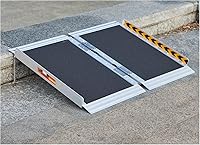
A ramp can work where there is enough room for a gradual route. It needs length to keep the slope manageable, plus firm footing and safe edges.
In a small home, that space may simply not exist.
A platform lift may suit some home layouts, but installation needs space and a site assessment. It can need a pit, a shaft, or major changes to the layout.
The wait and building work are also part of the decision.
Do not use a grocery cart, hand truck, or ordinary wheelchair to carry someone up or down stairs. If stairs cannot be used safely, consider another entrance or a suitable access device with help from a qualified professional.
That advice protects the rider and the helper.
If no person carrying option fits the home, plan around the limitation early. A ground floor bedroom, a single level living space, or an accessible entrance may be safer than forcing the wrong device.
A professional assessment can lay out those options in plain terms.
When does a stair-climbing cart make sense?
A stair-climbing cart may help move belongings over steps, provided the person controlling it can manage the load and route. These carts are not mobility aids for carrying a rider.
The six-wheel designs in the products below are intended to roll loads over stairs and uneven ground. Their usefulness depends on the load, steps, grip, balance, and the person’s ability to control the cart.
Avoid overloading it or using it where the cart may tip or get away from you.
winkeep Shopping Cart
The winkeep Shopping Cart weighs 9.4 lb and folds for storage. Its 40 in handle is fixed height, and an adjustable bungee cord can help secure bulky loads.
Choose it if you want a large bag and a stated capacity for heavier errands. The capacity does not mean the cart is easy or safe for every person to control on stairs.
dbest Products Stair Climber Cruiser Cart Shopping
The Cruiser Cart weighs 10 lb and folds for compact storage. Its open dimensions are 21 x 22.5 x 38 in; folded dimensions are 10.5 x 22.5 x 45 in.
Choose it if front swivel wheels and a cushioned handle suit your everyday route. Check whether its folded height fits your storage spot before you buy.
dbest products Stair Climber Bigger Trolley Dolly
The Bigger Trolley Dolly weighs 7 lb and folds in half. With the bag removed, its stated carrying capacity as a dolly is up to 150 lb.
Choose it if you want a cart that can change into a dolly for boxes. Confirm that the load and stair route are manageable before moving anything.
For more cart options and selection tips, see our guide to the best stair climber grocery cart.
How do you choose between a stairlift and a wheelchair?
Choose based on how the person transfers, what chair they use, and the staircase layout. A home assessment can help identify what is practical and safe.
A stairlift may fit if the user can transfer to its seat and sit securely during the ride. Check whether help is needed to get into position, whether the seat can be reached at both floors, and where the chair will park.
Transfers can change day to day. Pain, fatigue, clothing, and weather can all make a seat harder to reach, so test the transfer on an ordinary day rather than only on a good day.
Getting off at the top also needs room. The user needs space to stand, turn, and move away from the seat without crowding the landing, including room for a walker, commode, or wheelchair waiting there.
A stair climbing wheelchair may suit someone who needs to remain in their chair. Ask how it handles the staircase, who operates it, and whether it fits the user's chair and support needs, plus turning space and door width at both floors.
Ask who will operate the system in real life. A caregiver may need training, and the plan should cover evenings and weekends, not just weekdays.
A mobility scooter on the ground floor still cannot carry the user upstairs. Compare mobility scooters for disabled adults for travel needs, and review this Best Mobility Scooter For Disabled Adults guide for another comparison, since a scooter is for suitable floors and routes, not stairs.
Keep travel and floor-to-floor movement separate when comparing. Trying to make one device do both jobs often leads to unsafe workarounds.
Setup and care also differ. A rail system needs fitting and routine checks, while a chair system needs charging, cleaning, and storage space, and both need a plan for breakdowns and help.
Talk through the full routine with the user and helpers before deciding. Meals, medications, laundry, and guests all add trips or space needs, so choose the option that fits the whole week.
What should you check before using a climbing cart on stairs?
Check the cart, the load, and the entire route before attempting stairs. If the person cannot keep control, have someone else handle it or choose another way to move the items.
Read the instructions and capacity information. Note the load limit, how the wheels are meant to work, and any warnings about slopes or steps, and keep the instructions accessible to the user.
Check that the load is balanced, secure, and does not block the handle or view. Heavy items should sit low and close to the base, and loose bags or boxes should be tied or packed so they stay put.
Inspect the stairs for loose rugs, clutter, wet surfaces, or tight turns. Clear the path before starting, and move items from a crowded landing so there is room to pause safely.
Keep one hand on the handle and move slowly without rushing or pulling beyond control. Short steps and a steady pace help the wheels find each tread.
Stop if the wheels catch, the cart tilts, or the load shifts. Set the cart down in a safe spot, fix the problem, or split the load into smaller trips.
A stated capacity is a load limit, not the strength or balance needed to control it. Ask for help with heavy loads and do not attempt stairs if control feels uncertain.
Handle height and grip also affect control. A handle that is too high can strain the back, and a slippery grip can make a heavy load harder to guide, so try the cart empty and with a light load first.
Setup takes a minute but can prevent trouble. Fold and unfold the cart on level ground, check that the bag or platform is secure, and confirm nothing hangs loose.
Care is simple but matters. Wipe the frame after wet use, let fabric dry fully, and check wheels for hair, grit, or damage.
Choose a smaller load when in doubt. Groceries can take more than one trip, and laundry can be split across the week to keep each load light.
How do you narrow down the right stair climbing aid?
Start with the item or person that needs to move, then assess the staircase and the user's abilities. Use a cart for belongings, and assess a person-carrying device for a rider.
Pick a stairlift if a seated transfer is practical and the rail route suits the home. Consider a stair-climbing wheelchair if the person needs to remain in a chair, and ask a qualified professional to assess fit and operation.
For groceries or laundry, compare a climbing cart's handle, folded size, storage, and load capacity against the actual route. A cart can help with errands, but it is not designed to carry a person upstairs.
Begin with a short list of questions. What must move, how often, and who will control it on every trip, not just on a good day.
Then measure the staircase and the space around it. Width, turns, landings, and door positions often decide the shortlist before features are compared.
For a person, assess transfer ability at both floors. The routine must work when the person is tired, dressed for the weather, or using daily aids.
For a wheelchair user, assess the chair first. Size, posture support, controls, and turning space determine whether a stair system can work at all.
For belongings, assess the route in practical terms. How many steps, how often, and how heavy is a typical load on a normal week.
Compare handle height and grip for carts. A handle that suits one person may be too high, too low, or too hard to hold for another.
Compare folded size against real storage. Hall cupboards, car boots, and under stair spaces all have limits that need checking before purchase.
Compare load capacity with control, not with hope. A high limit helps only if the person can guide that load safely on the actual steps.
Separate the budgets too. A cart is a small household purchase, while installed equipment involves fitting, power, and long term care.
Ask for a professional view before committing to a person carrying device. An assessor can spot layout problems that online comparisons miss.
For carts, test the routine at home. Walk the route empty, then with a light load, and notice where balance or space becomes difficult.
Keep the categories clear in the final choice. A cart for errands and a device for a rider solve different problems, and neither should be stretched to cover the other.
The right aid is the one that fits the person, the home, and the daily routine together. When those three align, stairs become more manageable rather than more risky.
Frequently asked questions
Can a stair-climbing shopping cart carry a person?
No. These carts are made to carry groceries, laundry, and other belongings, not a person.
Their wheels help move a loaded cart over steps, but they do not provide a seat, occupant restraint, or a way to move someone upstairs.
For a person, compare a stairlift, an accessible route, or a stair-climbing wheelchair with qualified guidance.
What is the difference between a stairlift and a stair-climbing wheelchair?
A stairlift carries a seated person along a rail fitted to the staircase, while a stair-climbing wheelchair is designed to move the user and chair over stairs. The right option depends on the person’s transfer ability, chair needs, staircase, and how often stairs must be used.
Have the home and user assessed before choosing.
Are stair-climbing carts suitable for all stairs?
No. A climbing cart’s wheel design may help with steps, but it does not mean the cart will work on every staircase.
Step height, stair width, landings, load, and the user’s ability to control the cart all matter.
Check the route and cart instructions, and avoid using stairs if control feels uncertain.
What should I measure before choosing a stairlift?
Measure the staircase and note turns, landings, doorway positions, and available space at the top and bottom. A stairlift installer can assess the rail route and whether the user can transfer to and from the seat.
Compare this with other access options in our stair lift options guide before deciding.
Can someone use a mobility scooter on stairs?
A mobility scooter is for travel over suitable floors and routes, not for carrying a rider up a staircase. Plan a separate way to move between floors, such as a stairlift or an accessible entrance.
If you are choosing a scooter for other trips, compare options for disabled adults and check the route and storage needs.