Should Walker Wheels Go in Front or Back?
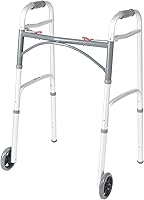
On a standard walker with 2 wheels, the wheels go on the 2 front legs, while the back legs keep their rubber tips or glides. Fit each wheel on the outside of its leg, with both wheels facing forward, and follow the walker's instructions.
On this page (8 sections)
- Should walker wheels go in front or back?
- Should walker wheels go on the inside or outside?
- How can you check that the wheel setup is right?
- What if the walker has wheels on all 4 legs?
- What should you check before replacing a walker wheel?
- Do wheel locks change where the wheels go?
- Which accessories help with a front-wheeled walker?
- What is the simple rule for walker wheel placement?
On a standard walker with 2 wheels, put one wheel on each front leg and keep the rear legs fitted with their rubber tips or glides. The wheels should face forward and sit on the side specified by the walker’s instructions, commonly the outside of each leg.
That front wheel and rear glide pattern is what defines a standard 2-wheel walker for many users. It suits people who need support while moving step by step indoors or on short, even outdoor paths.
The rear glides are not spare parts or optional extras. They grip or slide against the floor in a way that helps steady the frame as weight shifts forward.
A walker’s frame and attachment design can vary, so its manual takes priority over general directions. If you’re choosing a walker for seniors, compare the wheel setup and rear leg style before deciding.
Check whether the model folds, how its legs adjust, and what parts the maker expects you to replace over time. Those details matter more than a quick look at the wheels alone.
It also helps to think about where you will use it most. Hallways, thresholds, rugs, and pavements can all change how a front wheel setup feels in daily use.
If two models look similar, the one with clearer instructions and parts that are easy to check may be simpler to live with. That can make set-up and care less of a guess later.
Should walker wheels go in front or back?
For a standard 2-wheel walker, wheels go on the 2 front legs. The rear legs stay in contact with the floor through their tips or glides as you move the frame forward.
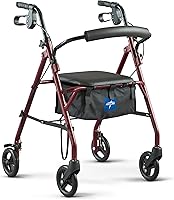
This arrangement differs from a 4-wheel rollator, which has wheels at the front and back and is designed to roll. Don’t add wheels to the back of a standard walker unless its maker provides a compatible setup and instructions.
Use the device as intended. If you’re not sure whether yours is a standard walker or a rollator, check its model name or ask the supplier.
How do the front wheels face?
Both wheels should face forward in the direction you push the walker. The wheel should roll freely without rubbing the frame, and its attachment should sit securely on the leg.
Check for a left and right wheel if the parts are marked or shaped differently. Don’t force an attachment or swap parts just because one side seems easier to install.
Should walker wheels go on the inside or outside?
Follow the manual for the exact side; many standard walker wheels mount on the outside of the front legs. “Inside” and “outside” refer to whether the wheel sits toward the frame’s center or away from it.
Look for arrows, side labels, or diagrams on the walker and its wheel attachments. The correct position should leave the wheel clear of the frame and allow it to turn without catching.
If the instructions are missing, contact the walker’s manufacturer or the mobility equipment supplier before changing the setup. A clinician or physical therapist who knows your walking needs can also help check the fit.
How can you check that the wheel setup is right?
Check that both front wheels match, point forward, and are firmly attached. Confirm that the rear legs have the tips or glides intended for your model.
With the walker stationary, look for loose pins, cracked parts, uneven wheel height, or contact between a wheel and the frame. Don’t use the walker if a wheel wobbles or an attachment keeps slipping.
Before walking, follow the manual’s setup steps and make sure the frame is open and locked as directed. For basic operating steps, see our rollator walker instructions; a rollator has a different wheel arrangement from a standard walker.
What if the walker has wheels on all 4 legs?
Use 4 wheels only if the walker was designed for them. Some models have four rolling legs, while a standard 2-wheel walker relies on rear tips or glides for floor contact.
Don’t add wheels to the rear legs of a 2-wheel walker as a shortcut. A different contact pattern may change how the frame moves, and an improvised setup may not match the manufacturer’s design.
If you need a walker that rolls on all legs, ask a clinician or mobility equipment supplier which style fits your needs and how to use it. For a rollator, see how to adjust its handle height.
They can help distinguish among a standard walker, a front-wheeled walker, and a rollator.
What should you check before replacing a walker wheel?
Match the replacement to your walker’s model and attachment style. Check the wheel size, fitting method, and any left or right markings in the manufacturer’s instructions.
Replace a worn or damaged wheel with a part the maker approves. Our guide to how to replace rollator wheels explains why checking the model and fit matters before replacing wheels.
If the wheel drags or makes noise, inspect it for debris and check that it’s attached as directed. See how to make walker wheels quieter for basic checks, and stop using the walker if a wheel or frame part is damaged.
Do wheel locks change where the wheels go?
No. Wheel locks don’t change which legs are designed to have wheels.
A standard 2-wheel walker still uses wheels on the front legs and tips or glides on the rear legs.
Some walkers and rollators have brakes or locking features, but their operation depends on the model. Read the instructions before adjusting or using any lock, and don’t assume a lock makes an incorrectly placed wheel safe.
For more detail on lock types and operation, see how to lock walker wheels.
Locks and brakes are about control once the walker is in use. They are not a reason to move a wheel from a front leg to a rear leg, or to add wheels where the maker did not design them.
A standard walker and a rollator may look alike at a glance. The key difference is in how the frame, legs, and wheels are meant to work together under load.
If your walker has a locking feature, learn exactly when the maker expects it to be used. Some locks are for parking or standing, while others are for slowing movement on a slope.
Do not rely on a lock to hide a loose wheel, a worn glide, or a frame part that no longer fits as intended. Those issues need checking before the walker is used again.
It also helps to practise the lock on level ground with support nearby. That way you can learn the feel of it without pressure to use it in a busy place.
If the lock feels stiff, slips, or makes a new noise, stop and have it checked. A sound setup should be predictable, not something you have to force into place each time.
Which accessories help with a front-wheeled walker?
Choose accessories that attach securely and don’t interfere with the walker’s wheels or frame. A basket can carry small items, while a tray provides a flat surface if it fits the walker and its weight limit suits your needs.
The HealthSmart basket has adjustable hook and loop straps, a removable plastic tray insert, and a built-in cup holder. Check that it clears the walker’s front wheels and bars.
The DMI tray folds down when not in use and has 2 cup holders. It fits most standard walkers about 18.5 inches wide, but it isn’t compatible with extra-wide or bariatric walkers; its 5 lb capacity calls for evenly distributed weight.
The Medline folding walker has 5 in wheels and a 300 lb weight capacity. It folds using a 2-button mechanism.
What is the simple rule for walker wheel placement?
For a standard 2-wheel walker, put the wheels on the front legs and keep the rear tips or glides in place. Face both wheels forward and follow the model’s instructions for inside or outside placement.
Choose a 4-wheel model only when it was designed that way. If the parts don’t fit securely or you can’t confirm their orientation, ask the manufacturer, supplier, or a clinician to check the setup before walking.
That simple rule is easy to remember, but it depends on the frame you actually have. A standard walker is not the same as a rollator, even if both have wheels.
It also depends on the rear legs staying as designed. The tips or glides help set how the walker moves and rests on the floor.
Before you walk, look over both front wheels and both rear legs one more time. Check that parts match, sit firmly, and show no cracks or loose fittings.
If anything looks worn or unsure, it is safer to pause and get advice. A short check now can save trouble on the first trip across a room.
Keep the manual close when you first set the walker up. It will tell you more about your model than any general rule can.
Frequently asked questions
Should walker wheels go in front or back?
On a standard 2-wheel walker, the wheels go on the front legs, and the back legs keep their rubber tips or glides. Follow the walker's instructions, since designs can differ.
Should walker wheels go on the inside or outside?
Fit each wheel on the side specified by the walker instructions, commonly the outside on many standard walkers. The wheels should face forward and sit securely without rubbing the frame.
Ask the maker or a mobility professional if the correct side is unclear.
Can all four walker legs have wheels?
Some walkers are designed with wheels on all 4 legs, but a standard 2-wheel walker is not. Use only the wheel and glide setup intended for your model.
Ask the maker or a mobility professional before changing that setup.
How can I tell if walker wheels are installed correctly?
Check that both wheels match, point forward, and are firmly attached on the intended legs. Confirm that the rear tips or glides are present if your model uses them.
Follow the manual and ask a clinician or supplier to check the setup if you are unsure.