Shower Safety for Seniors: Equipment That Prevents Falls
A stable shower seat, securely installed grab bars and a clear, slip-resistant floor can help reduce common fall hazards for older adults. Choose equipment around the person’s balance, transfer needs and bathroom layout.
On this page (7 sections)
- Which shower equipment helps prevent falls?
- Which shower seat fits the person’s transfer needs?
- Where do grab bars help most?
- Is a handheld shower head useful while seated?
- How can you make shower transfers safer?
- What should you check before using a shower chair or bar?
- Which equipment should you choose first?
A stable shower seat and securely mounted grab bars can help reduce common fall hazards for older adults. A clear and slip resistant floor also matters.
Together they support safer entry, washing, standing and exit.
Choose equipment around the person and the bathroom. Consider balance, transfer needs, strength and the shower layout.
A good setup should feel predictable at every step.
The safest setup makes each step clear. The person should know where to hold, where to sit and where to place feet.
Familiar steps can reduce hesitation and rushed movements.
Plan for changes in the routine as well. Morning stiffness, fatigue or a recent injury may affect balance.
Equipment should fit the person on an ordinary day and on a harder day.
Start with the task that feels hardest. Standing for a long time needs a different answer from stepping over a tub edge.
Sorting those needs first helps avoid buying equipment that does not solve the real problem.
For a broader room by room overview, see our bathroom safety for seniors guide.
That guide can help you look beyond the shower. It may prompt checks of lighting, flooring and paths in other rooms.
A safer home usually depends on several small changes working together.
Keep the goal simple and practical. The person should be able to enter, wash and leave with steady support.
Equipment should serve that routine without adding clutter or confusion.
Small details often decide whether a setup works. A bar in the wrong place can be missed under pressure.
A seat that blocks the door can make entry harder rather than easier.
Take time to think through the full sequence before buying. Talk with the person who will use the shower each day.
Their habits and concerns should guide each choice.
Which shower equipment helps prevent falls?
A seat and well-placed grab bars address different risks: a seat reduces time spent standing, while bars provide handholds during transfers and movement. Neither helps if it is unstable, out of reach or installed for the wrong surface.
| Equipment | Where it can help | What to check |
|---|---|---|
| Shower chair or bench | Sitting to wash and rest | Stable fit, seat height, leg placement and entry route |
| Grab bar | Entry, turning, standing and exit | Secure mounting, reachable position and suitable grip |
| Handheld shower head | Directing water while seated or standing | Hose reach, control access and holder position |
| Nonslip surface | Improving footing | Fit, drainage and compatibility with the floor |
| Transfer chair | Moving between toilet and shower | Room to maneuver, wheel locks and transfer assistance |
Think through the full routine before buying anything. A seat that fits the shower may still block the door, controls or caregiver access.
What should you consider for shower safety for seniors?
Start with the person’s movement and the shower’s measurements. Consider whether they can step over a tub edge, turn, sit and stand without twisting or reaching for an unstable towel bar.
Measure the opening, interior floor and standing space carefully. A seat that fits on paper may still crowd the entry route or block the controls.
Check where the controls and shower head sit from both standing and seated positions. Leaning far to adjust water or soap can unsettle balance during washing.
Check whether the door swings into the space needed for a chair or a helper. Also watch the full path from the doorway and toilet to the shower.
If the shower has a raised entry, compare shower threshold ramps for that transition. Choose a ramp that suits feet and wheels without creating a new trip point.
Clear loose mats, bottles, cords and small stools from the floor and path. Soap buildup can also make footing slippery.
Use a nonslip mat only if it lies flat and leaves drains clear. Replace it if the grip or backing wears down, since curled edges can become a hazard.
Place towels and toiletries within easy reach before each shower. The person should not need to bend, twist or step around clutter.
Leave room for a caregiver to stand close and guide a transfer. If the bathroom is tight, change the setup before adding equipment.
Equipment alone cannot make an unsafe transfer safe. Seek advice when the transfer itself feels unreliable or the route is too narrow.
Which shower seat fits the person’s transfer needs?
Choose a seat based on how the person enters and transfers, not only on whether it fits inside the shower. A basic chair suits some walk-in showers, while a bench or rolling chair may help with different transfer routines.
A shower chair has a seat and legs that stand inside the shower. Check the base against the shower floor, the seat height against the person’s ability to sit and rise, and whether the chair leaves room to reach controls.
A transfer bench spans a tub wall, with part of it outside the tub. That design can let a person sit first and move across, but the bathroom needs room for the bench and a clear route to use it.
A rolling shower chair can support a different routine when someone needs help moving between rooms or from toilet to shower. It needs a clear path, a suitable shower entrance and caregivers who know how to position and lock it.
When can a rolling shower chair help?
A rolling shower chair may suit someone who needs seated bathing and help moving between the toilet and shower. Check the doorway, route and turning space before choosing one.
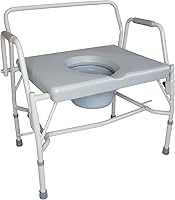
The DMI Rolling Shower Chair has a waterproof seat and backrest, armrests, rear wheel locks and 4 in tires. It can be used as a shower chair and commode, including over a standard toilet, and has a 250 lb weight capacity.
For a closer comparison, see bedside commodes vs shower chairs.
Its overall dimensions are 22 in deep, 22 in wide and 34 in high. Check the doorway and maneuvering space, and plan for caregiver assistance as needed.
Where do grab bars help most?
Put a grab bar where the person needs a steady handhold during a transfer or change of position. Common points include the shower entrance and places where someone sits, stands or turns.
Install the bar to suit the wall and the support it is expected to provide. Tile alone is not a reliable anchor for body weight.
Do not rely on towel bars, soap shelves or suction bars as primary body weight support. Those items are not designed for that load and may fail when leaned on.
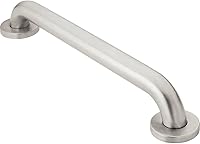
The Moen 8912 is a 12 in stainless steel grab bar with a 1.5 in diameter grip surface and concealed mounting screws. The larger grip is meant to feel secure and comfortable and can suit hands that need more surface to hold.
It is designed for use near showers, tubs, toilets and other places where support is wanted. Each location still needs its own placement and mounting check.
Stainless steel suits the damp conditions of a shower area and wipes clean as part of normal bathroom care. Concealed mounting hardware with decorative covers hides the screws for a clean, finished appearance.
A 12 in bar suits a specific handhold location rather than a long run of support. It may fit a shower entrance or a toilet area with limited wall space.
It may not provide a useful grip across every part of a transfer. Decide where the hand will naturally reach before choosing length and position.
SecureMount anchors are optional for some installations and are sold separately. They can help when direct mounting into wall studs is not available.
The wall type and the bar’s instructions still control whether that method fits. Use a qualified installer when the wall construction is unclear to check backing, studs and placement.
Keep the bar clean and check its covers and hardware over time. Stop relying on it if anything shifts, loosens or breaks.
Place support where the hand moves most during entry, sitting, standing and turning. Match the bar to the exact place where stability is needed.
Moen offers optional SecureMount anchors for cases where direct mounting into wall studs is not available; the anchors are sold separately. Confirm that the installation method matches the wall and the bar’s instructions, and use a qualified installer if you are unsure.
A short bar may fit a limited space, but it may not provide a useful grip across every part of a transfer. Decide where the hand will naturally reach before choosing the bar’s length and position.
Is a handheld shower head useful while seated?
A handheld shower head can make it easier to direct water from a seated position. It does not provide balance support on its own, so pair it with a stable seat and securely installed grab bars.
Seated washing can reduce fatigue and let the person aim water at the legs, feet or torso without standing. That control may help someone who needs to rest while washing.
Check whether the hose reaches the seat without pulling or forcing awkward reaching. Extra length should settle with slack rather than tight tension.
Check whether temperature and flow controls are reachable without leaning. Controls that sit too high or too far can still make seated use difficult.
Keep the holder low enough for seated use when the person washes independently. A holder set for standing use may be too high for seated washing.
Think about overspray and standing water on the floor. A focused spray and a clear drain can reduce a slippery exit path.
A handheld head can also help a caregiver with rinsing during assisted washing. It may reduce the need for the person to turn too far.
Compare the trade offs in our handheld shower head vs fixed shower head guide. A fixed head may suit someone who can stand safely and leaves hands free for holding a grab bar.
A handheld option adds reach for seated washing and hard to reach areas. The extra hose needs space to move without tangling.
The head does not replace a seat or support bars. It changes how water is directed rather than how balance is kept.
Check the holder and hose before first use and make sure the head sits securely with no kinks. Wipe down the hose and head regularly to keep controls smooth and the spray clear.
A handheld head suits seated routines when paired with stable support. The seat, bars and floor still carry the safety work.
How can you make shower transfers safer?
Keep the transfer route short, dry where practical and free of loose obstacles. Place towels and toiletries within easy reach so the person does not need to bend, twist or step around clutter.
Use the same sequence each time, such as moving to the seat, turning, sitting and then positioning the feet. If a person cannot complete that sequence reliably, ask a health care professional or qualified mobility specialist to assess the setup.
A toilet safety rail may help with sitting and standing before or after bathing, but it is not a shower grab bar. The Medline Toilet Handle Safety Rail adjusts for standard or raised toilets, folds for storage and has adjustable arm height and width.
Medline’s product title gives a 250 lb capacity, while its specifications give a 300 lb maximum weight recommendation. Check the unit’s fit and stability around the toilet, and don’t treat it as a substitute for a bar mounted inside the shower.
For other safety topics around mobility devices, see how to prevent mobility scooter theft and how to prevent mobility scooter battery corrosion.
What should you check before using a shower chair or bar?
Check that each item is stable, correctly positioned and suitable for the person before every use. Stop using equipment that rocks, shifts, loosens or has damaged parts.
- Confirm the chair feet sit flat and do not slide on the shower floor.
- Lock the wheels on a rolling chair before a transfer or bathing.
- Check that grab bars do not move and that covers or hardware are secure.
- Keep the floor and path clear of loose mats, bottles and cords.
- Make sure the person can reach controls and towels without leaning far.
- Follow the manufacturer instructions for installation, cleaning and weight limits.
A fixed shower chair needs feet that grip the floor from the start. Wet tile can let legs shift during sitting and standing.
The chair should not creep forward when weight moves onto it. Check stability before the person puts weight on the seat.
A rolling chair needs a clear routine for locking and checking wheels. Rear wheel locks should be set before a transfer or bathing.
A caregiver should confirm the lock state every time rather than assume it held. This matters most during transfers between toilet and shower.
Grab bars should be checked for movement at the start and over time. Covers should stay in place and hardware should feel secure.
Any looseness means the bar should not be trusted for support. Have grab bars installed into appropriate support rather than relying on tile alone.
If the wall construction is unclear, have an installer inspect it before anyone uses the bar for support. The installer can check backing and choose a suitable method.
Follow cleaning guidance for seats, bars and mats and check weight limits in the instructions. Moisture can affect seams, grips and metal over time.
Look for cracked plastic, bent parts or worn rubber that can change stability. Replace or repair items when damage appears.
A health care professional, occupational therapist or physical therapist can assess balance, transfer ability and placement. This can be useful after a fall or when needs change.
Review the routine after any change in health or strength and confirm stability, position and reach before each shower. Small adjustments can keep the setup matched to the person.
Which equipment should you choose first?
Choose the item that addresses the hardest part of the person’s routine. If standing is the challenge, start by evaluating a stable seat.
If a transfer lacks a handhold, assess grab bar placement and installation first.
Map the shower in steps before buying anything. Note entry, sitting, washing, standing and leaving in order.
The hardest step often shows where support is missing.
Measure the space and check the route to the shower. Doorways, turning space and caregiver room all affect the choice.
An item that fits inside the shower may still fail on the path there.
Pick a rolling chair when assisted movement between toilet and shower is part of the routine. It can suit a routine that needs seated movement across rooms.
The route, doorway and transfer help need care before use.
Consider a toilet rail for support at the toilet rather than in the shower. Sitting and standing at the toilet are separate tasks from shower transfers.
A rail there should not be treated as a shower grab bar.
A grab bar inside the shower should match a specific handhold need. Its position, mounting and reach decide how useful it will be.
A bar placed for entry may not help during turning or standing.
A handheld head can wait until seat and support are settled. It improves water reach but does not add balance.
Fix the hardest transfer problem before adding comfort features.
Buy for the person’s current routine and review it as needs change. Strength, balance and confidence can shift over time.
The right first item may need a follow up change later.
Keep the setup simple enough for daily use. Too many items can crowd the shower and confuse the routine.
Each piece should have a clear job that the person understands.
Frequently asked questions
What equipment helps prevent shower falls for seniors?
A stable shower seat can reduce time spent standing, while securely installed grab bars provide handholds for transfers and movement. Clear loose items from the floor and choose a nonslip surface that fits the shower.
Match equipment to the person’s transfer needs and get installation advice if the wall or layout is uncertain.
Are suction cup grab bars safe for a shower?
Suction cup bars may lose their hold, so don’t rely on them as a replacement for a securely mounted grab bar. Choose a bar installed according to its instructions and anchored to a suitable surface.
If you cannot confirm the wall construction or installation method, ask a qualified installer before relying on the bar for support.
Should a senior use a shower chair or transfer bench?
A shower chair can suit someone who can step into the shower and sit down safely. A transfer bench may help when stepping over a tub wall is difficult because part of the bench sits outside the tub.
The right choice depends on the bathroom, the person’s transfer ability and caregiver access.
Where should grab bars go in a shower?
Place grab bars where the person needs a steady handhold during entry, standing, turning and exit. Useful locations depend on the shower layout and the person’s reach and movement.
A qualified installer can check wall backing, placement and mounting for the intended use.
Does a handheld shower head improve shower safety?
A handheld shower head can let someone seated direct water without reaching as far, but it does not replace a stable seat or securely installed grab bars. Check hose reach, controls and mounting position from the planned seated or standing position.
Compare a handheld shower head vs fixed shower head for the trade-offs.