What Is a Knee Scooter?
On this page (7 sections)
A knee scooter is a mobility device that helps you move around without putting weight on an injured foot or ankle. It looks a bit like a child’s scooter but has a comfortable padded rest for your knee. Instead of crutches, you push off with your good leg.
We found that knee scooters are a popular choice for recovering from various lower leg injuries or surgeries. They allow you to stay mobile and independent during your healing process. Many people find them much easier and safer to use than traditional crutches.
- A knee scooter helps you move when your foot or ankle is hurt.
- It has a comfortable pad for your knee.
- You use your healthy leg to push and steer.
- Knee scooters are often easier and safer than crutches.
- They help you stay mobile during recovery.
So, why might a knee scooter be a good option for you? Let’s dive into all the details about what a knee scooter is and how it can help.
Understanding What a Knee Scooter Is
A knee scooter, also known as a knee walker or leg scooter, is a mobility aid. It helps you get around when you cannot put weight on your foot or ankle. Think of it as a cross between a bicycle and a crutch, but much more comfortable.
You use it by placing the injured leg’s knee onto a padded platform. Then, you propel yourself forward with your good leg. Steering handles let you guide your path. We found these devices are a fantastic way to maintain independence during recovery.
Key Components of a Knee Scooter
When you look at a knee scooter, you’ll notice several distinct parts. Each plays a role in its function and your comfort. Understanding these parts helps you use the scooter safely and effectively.
The Padded Knee Rest
This is where your injured leg rests. It’s usually made from a soft, cushioned material. The goal is to keep your knee comfortable and secure. We found that the quality of this padding greatly impacts your experience. A good pad prevents pressure points and discomfort during longer uses.
Steering Column and Handlebars
Just like a bicycle, knee scooters have handlebars. These allow you to steer the front wheels. They also provide a place to hold on for stability. Adjustable handlebars are key. They let you customize the height for your comfort, preventing back strain.
Brakes for Safety
Safety is a big concern with any mobility device. Knee scooters come equipped with hand brakes. These are usually located on the handlebars. They work much like bicycle brakes, allowing you to control your speed. We found that reliable brakes are essential for navigating varied terrain and stopping quickly.
Wheels for Mobility
Knee scooters typically have four wheels. Some models might have three. The wheels allow for smooth movement across surfaces. Different wheel types are suited for different environments. Larger, all-terrain wheels might be better for outdoor use, while smaller wheels are great for indoors.
Storage Basket (Optional but Handy)
Many knee scooters include a small basket or pouch. This is incredibly useful for carrying personal items. Think about holding your phone, a water bottle, or a book. We found that users appreciate this feature for added convenience, making daily tasks much simpler.
Why Choose a Knee Scooter Over Crutches?
You might be wondering, “Why not just use crutches?” That’s a fair question. While crutches have been a staple for ages, knee scooters offer several distinct advantages. Many physical therapists suggest them for certain injuries.
Enhanced Comfort and Reduced Pain
Crutches can be quite uncomfortable. They put a lot of pressure on your armpits and hands. This can lead to chafing, soreness, and even nerve damage with extended use. A knee scooter eliminates this problem. Your body weight is distributed through your knee, not your upper body.
We found that people often report less fatigue and pain when using a knee scooter. You’re not constantly bearing weight on your arms. This makes a big difference, especially during long-term recovery.
Greater Stability and Safety
Crutches can be wobbly. Falls are a serious concern, especially for older individuals or those with balance issues. A knee scooter, with its multiple wheels and stable platform, offers much better balance. You’re less likely to lose your footing.
Many experts say that the four-wheel design provides a more secure base (Cleveland Clinic). This leads to a lower risk of falls, which is crucial for preventing further injury during your healing process.
Improved Mobility and Independence
Navigating daily life on crutches can feel limiting. Simple tasks like carrying a cup of coffee become difficult, if not impossible. A knee scooter frees up your hands. You can perform many activities that would be challenging on crutches.
Imagine pushing a shopping cart, cooking a meal, or even just carrying a conversation without struggling for balance. We found that knee scooter users often feel more independent and less isolated during recovery.
Energy Conservation
Using crutches is a workout! It requires significant upper body strength and energy. You can become tired very quickly. A knee scooter allows you to conserve your energy. You push off with your good leg, which is a less strenuous motion.
This means you have more energy for healing and other activities. We found that this energy conservation is a major factor in improving overall recovery experience and mental well-being.
Who Benefits Most from a Knee Scooter?
Not everyone needs a knee scooter, but for specific injuries and situations, they are incredibly helpful. We often see them recommended by doctors for certain conditions. Is it the right choice for you?
Ideal Conditions for Knee Scooter Use
A knee scooter is perfect for injuries that require you to keep all weight off your foot or ankle. This is often called “non-weight bearing.” Here are some common situations where a knee scooter shines:
- Foot Fractures: Breaks in bones like the metatarsals or toes.
- Ankle Fractures or Sprains: Severe injuries requiring immobilization.
- Achilles Tendon Rupture: After surgery to repair the tendon.
- Bunion Surgery Recovery: When the foot needs time to heal without pressure.
- Plantar Fasciitis: In severe cases where rest is critical.
- Diabetic Foot Ulcers: To prevent pressure and allow wounds to heal.
We found that people recovering from these types of injuries often find knee scooters to be a vastly superior alternative to crutches.
When a Knee Scooter Might Not Be Ideal
While knee scooters are fantastic, they aren’t for everyone. Consider your circumstances before deciding. For example, your home environment plays a role.
- If you have many stairs, a knee scooter can be problematic. You’ll still need help or another mobility aid for stairs.
- Very narrow doorways or tight spaces can make maneuvering difficult.
- If you have a knee injury on your good leg, you won’t be able to use the scooter. Your knee needs to bend and bear weight on the scooter’s pad.
- Significant upper body weakness might make steering and braking challenging.
Always talk to your doctor or physical therapist. They can help you determine the best mobility device for your specific needs and recovery plan (Mayo Clinic).
Types of Knee Scooters Available
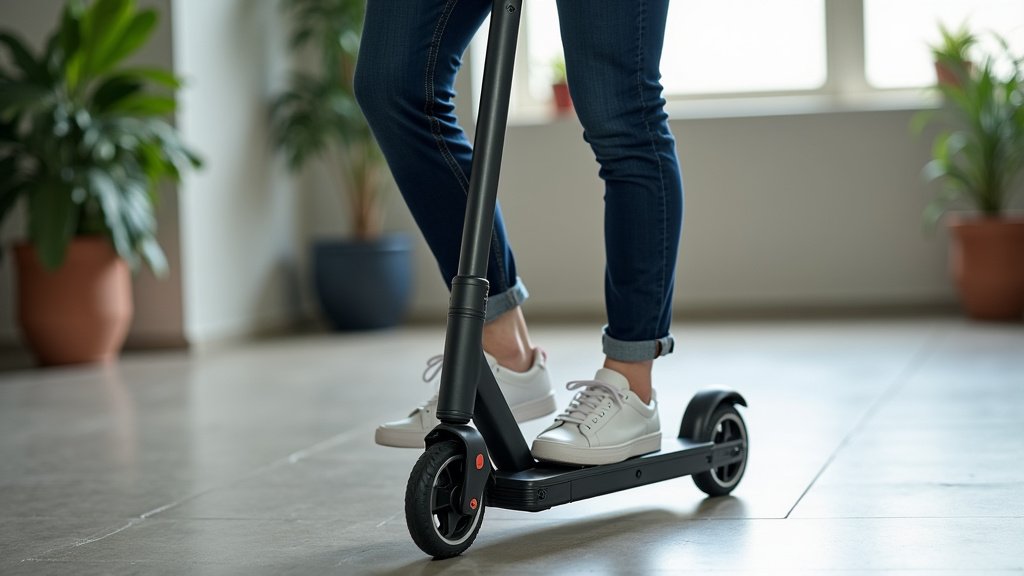
Just like cars, knee scooters come in different models and styles. Each design offers unique features. Knowing the variations can help you pick the best one for your situation.
Standard Knee Scooters
These are the most common type. They typically have a simple frame, four wheels, a padded knee rest, and handlebars with brakes. They are great for indoor use and smooth, flat outdoor surfaces. They are generally compact and easy to maneuver in homes and offices.
All-Terrain Knee Scooters
If your recovery involves navigating rougher surfaces, an all-terrain model might be for you. These usually feature larger, sturdier wheels, often with pneumatic (air-filled) tires. They can handle grass, gravel, and uneven sidewalks better than standard models.
We found that all-terrain scooters offer more freedom for active individuals. They allow you to get outside and maintain a more active lifestyle during recovery.
Foldable Knee Scooters
Portability is key for many users. Foldable knee scooters are designed to collapse for easy transport and storage. This feature is especially useful if you need to put your scooter in a car trunk or store it in a small space. They often have quick-release mechanisms for folding.
| Feature | Standard Knee Scooter | All-Terrain Knee Scooter | Foldable Knee Scooter |
|---|---|---|---|
| Best Use | Indoors, smooth surfaces | Outdoors, uneven terrain | Travel, easy storage |
| Wheel Type | Smaller, solid wheels | Larger, pneumatic wheels | Variable, often solid |
| Portability | Moderate | Lower | High |
| Comfort on Rough Surfaces | Low | High | Moderate |
| Price Range | $$ | $$$ | $$-$$$ |
Making the Most of Your Knee Scooter
Once you have your knee scooter, there are a few tips to ensure you use it safely and effectively. We want you to have the best possible experience during your recovery.
Safety Checklist for Knee Scooter Use
Before you start zooming around, take a moment to ensure everything is set up correctly. Your safety is paramount.
- Adjust the handlebar height so your back is straight.
- Ensure the knee pad height allows a slight bend in your knee.
- Test the brakes to make sure they engage firmly.
- Check that all wheels spin freely and are secure.
- Clear your pathways at home to avoid tripping hazards.
- Practice in a safe, open area before navigating busy spaces.
Taking these simple steps can prevent accidents and make your recovery much smoother.
Tips for Navigating Daily Life
Using a knee scooter changes how you move, but it doesn’t have to stop your life. Here are some practical tips we’ve gathered:
Always look where you are going. It sounds simple, but it’s easy to get distracted. Keep your eyes ahead to spot obstacles.
Take it slow, especially at first. There’s no rush to become a speed demon. Get comfortable with steering and braking.
Be mindful of inclines and declines. Gravity works differently on wheels. Use your brakes to control your speed going downhill. Avoid steep uphill climbs if possible.
Ask for help if you need it. Don’t try to lift heavy objects or navigate tricky spots alone. Your friends and family are there to support you.
Keep your scooter maintained. Check tire pressure if you have pneumatic tires. Make sure bolts are tight. A well-maintained scooter is a safe scooter.
Conclusion
You’ve now got a solid understanding of what a knee scooter is and how it can transform your recovery. We found these devices offer more comfort, stability, and freedom than crutches. They help you stay active and independent during a challenging time. Consider the different types, from standard to all-terrain, to find your perfect match. Remember to prioritize safety with proper adjustments and practice.
Ready to reclaim your mobility? We encourage you to discuss a knee scooter with your doctor or physical therapist. They can help you determine if it’s the right choice for your specific injury and lifestyle.
Frequently Asked Questions
Can I go up and down stairs with a knee scooter?
No, knee scooters are not designed for stairs. You will need to use an alternative method for stairs, such as scooting on your bottom or having someone assist you. Always prioritize your safety on stairs.
How fast can a knee scooter go?
Knee scooters are propelled by you pushing with your good leg, so your speed depends on your effort. We recommend maintaining a slow, controlled pace, especially when navigating indoors or in crowded areas. Safety is more important than speed.
Do knee scooters come in different sizes?
Yes, many knee scooters offer adjustable features like handlebar and knee pad height. Some models also have different weight capacities. We found it’s important to check the specifications to ensure a comfortable and safe fit for your body.
Can I rent a knee scooter instead of buying one?
Absolutely! Many medical supply stores and pharmacies offer knee scooter rentals. This can be a cost-effective option if you only need the device for a short recovery period. Check with local providers in your area.
Is it hard to steer a knee scooter?
Steering a knee scooter is generally intuitive, much like steering a bicycle. It takes a little practice to get comfortable, especially with turning in tight spaces. Start in an open area to build your confidence before navigating busier environments.