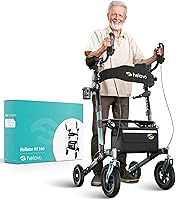
What Is an Upright Walker Called?
An upright walker is also called a stand-up walker, upright rollator, or upwalker. Check for forearm supports and handles that let you walk in a more upright position, then compare fit, brakes, wheels, and seat.
On this page (9 sections)
- What is an upright walker called?
- How can you tell an upright walker from a regular rollator?
- How do you choose an upright walker that fits?
- Who should choose an upright walker, and who should skip one?
- What are examples of products sold as upright walkers?
- How should you set up and use an upright walker?
- What common mistakes should you avoid?
- Are “upright walker” and “upwalker” the same thing?
- Which upright walker name should you use when searching?
An upright walker is also called a stand-up walker, upright rollator, or upwalker. These names usually refer to a wheeled mobility aid with forearm supports and handles arranged to support a more upright walking position.
If you’re searching for one, try more than one term. Brands use different names, so confirm the frame style, fit, and brake setup before choosing.
What is an upright walker called?
The common names are upright walker, stand-up walker, upright rollator, and upwalker. They can describe a wheeled frame with forearm supports and handles positioned for walking in a more upright posture.
A regular rollator often has a seat and hand brakes too, but its handles are usually meant to be gripped while you walk behind the frame. An upright walker instead gives your forearms a place to rest on the frame.
For a broader comparison of walker styles, see our walkers and rollators buying guide. It can help you decide whether this style fits your needs.
Which search terms find an upright walker?
Start with “upright walker” or “stand-up walker,” then try “upright rollator” and “upwalker.” Compare pictures and features because the search term alone doesn’t confirm the frame design.
“Forearm walker” can also help you find models by support style. “Platform walker” may describe other designs, so check where your arms rest and how you hold the handles before you buy.
How can you tell an upright walker from a regular rollator?
Look for forearm supports and handles positioned for an upright stance. A regular rollator generally has a handle on each side of the frame for you to grip while walking behind it.
Check whether you can rest your forearms comfortably while keeping your hands near the controls. Make sure the brakes are within easy reach and that you can squeeze or operate them without shifting your weight awkwardly.
An upright model may also have a seat, backrest, storage pouch, or cane holder. Those are useful options, but they don’t define the walker style.
How do you choose an upright walker that fits?
Choose by fit and control first, then compare wheels, seat, and storage. A long list of features won’t help if the supports are uncomfortable or you can’t use the brakes confidently.
Use these checks before deciding:
- Arm and handle position: Look for adjustment points that let you rest your forearms and reach the handles naturally. Your shoulders should feel relaxed rather than raised.
- Height range: Compare the walker’s adjustments with your body and walking posture. If you’re short, see our guide to upright walkers for short people.
- Brake operation: Learn how the brakes slow the wheels and how they lock for sitting. Make sure you can operate them with your available hand strength.
- Walking surface: Think about the floors and paths you use most. Larger wheels and cushioning can suit outdoor routes, while the full frame width matters in narrow indoor spaces.
- Seat and backrest: If you want a resting place, check the seat height, width, and depth. A seat should feel reachable without forcing you to lean or twist.
- Transport and storage: Check the folded shape and weight against your storage area, vehicle, and ability to lift or move the walker.
- Capacity and clearance: Confirm that the frame’s weight limit and width suit the intended user and the doorways or rooms where it will be used.
If you need a seat, our guide to upright walkers with seats compares models for that use. For a wider look at features, see our guide to the best upright walkers for seniors.
Who should choose an upright walker, and who should skip one?
An upright walker suits someone who needs a wheeled frame with forearm support and can steer and operate its brakes. It may be a poor fit if the arm supports feel awkward, the frame is too wide for the home, or the user cannot control a rolling aid safely.
An upright model is worth considering if gripping low handles is uncomfortable or you prefer to rest your arms on supports while walking. A seat and backrest can add a place for short rests, while a folding frame may help when storage or transport matters.
Skip a model that does not adjust to a comfortable position, does not fit through the spaces you use, or exceeds your ability to manage its brakes. If the user has trouble standing, turning, or controlling a rolling frame, ask a clinician or mobility specialist to help choose a suitable aid.
What are examples of products sold as upright walkers?
ELENKER and Helavo both use “upright walker” in their product names. Their different adjustments, wheel sizes, and folded or stored dimensions show why it pays to compare the frame and use case, not only the name.
ELENKER’s model has an adjustable forearm tube, handle bar, and leg tube. It also includes an under-seat pouch and a cane or umbrella holder.
Its 8 in solid PVC wheels and dual brake system suit buyers who want those features in a single walker.
The H1160 includes ergonomic adjustable handles, a parking brake, and a cup holder. Its listed dimensions are 26.38 x 26.38 x 46.85 in, and it weighs 22.71 lb.
Consider those measurements if you need to store it in a tight space or move it in a vehicle.
The H1161 has padded armrests, adjustable handles, rubber front wheels, a seat, and an adjustable backrest. It weighs 22.71 lb and measures 29.92 x 37.01 x 25.98 in, so check the width and storage space carefully before choosing it.
How should you set up and use an upright walker?
Adjust the supports and handles before walking, then practice the brakes in a clear space. Follow the instructions for the exact model, since assembly and adjustment points differ.
Start on a level surface with the walker fully assembled and the wheels aligned. Set the forearm supports and handles so you can stand comfortably, then check that all adjustment points are secure.
Practice moving, slowing, turning, and locking the brakes before using the walker in a crowded or unfamiliar place. Keep the frame close enough to control, take small turns, and avoid leaning far forward to reach an object.
If the walker has a seat, stop on level ground and lock the brakes before sitting. Make sure the seat is behind you before lowering yourself, and avoid using the seat while the frame is moving.
What common mistakes should you avoid?
The biggest mistakes are choosing by name alone, skipping fit checks, and sitting before locking the brakes. Each can make a useful feature harder to manage.
Don’t assume every “upwalker” has the same support style or dimensions. Compare how the arms rest, where the hands go, and whether the frame fits through your doors.
Don’t treat a seat as a substitute for a stable stopping routine. Practice the parking brake first, and keep bags or other items from shifting your balance or getting caught in the wheels.
Don’t carry a load that blocks your view or changes how you steer. Use storage holders as intended, keep both hands available for control, and inspect wheels and brakes regularly for dirt, damage, or loose parts.
Are “upright walker” and “upwalker” the same thing?
They often refer to a similar style, but the names don’t guarantee identical designs. “Upwalker” is one term used for stand-up walkers, while “upright walker” is a broader search phrase.
Use product photos and feature descriptions to confirm the supports, handle position, seat, and brakes. For help assembling a specific model, follow its instructions and see our guide on how to assemble an upright walker.
If a walker does not provide enough support for the distance you need to travel, compare other mobility options with a clinician or mobility specialist. Our guide to mobility scooters for walkers who need extra support covers another type of aid.
Which upright walker name should you use when searching?
Search for “upright walker” first, then try “stand-up walker,” “upright rollator,” or “upwalker.” Choose the model whose supports, fit, controls, and dimensions match the person and the places they’ll use it.
For forearm support, confirm that the frame has the arm supports you expect and that the handles and brakes are reachable. If you want a seat, check its dimensions and learn how to lock the brakes before sitting.
Frequently asked questions
What is another name for an upright walker?
Common names include stand-up walker, upright rollator, and upwalker. These terms usually point to wheeled walkers with forearm supports, but names vary between brands.
Check the frame pictures and support style to confirm the design you want.
Is an upright walker the same as a rollator?
An upright walker is a type of rollator, but the designs differ. Standard rollators usually have handles you grip while standing behind the frame.
Upright models have forearm supports and handles positioned for a more upright stance.
What should I search for if I want a walker with forearm supports?
Try upright walker, stand-up walker, upright rollator, or upwalker. Then check the pictures for forearm supports and review the adjustment range, brakes, wheels, and seat.
Names alone don't confirm that a model will fit or meet your support needs.
Can an upright walker have a seat?
Yes. Some upright walkers have a seat and backrest for resting.
Check the seat height and dimensions, and learn how to lock the brakes before sitting.
A seat doesn't replace guidance from a clinician about which walking aid fits your needs.