What Is the Difference Between SLA and Lithium Scooter Batteries?
On this page (8 sections)
The main difference between SLA and Lithium scooter batteries is their The main difference between SLA and Lithium scooter batteries is their technology and performance. Our guide to the best mobility scooters with lithium-ion batteries can help.technology and performance. Lithium batteries offer a lighter weight and a longer lifespan compared to traditional SLA batteries. If you’re wondering which is best for your scooter, understanding these core distinctions is the first step.
SLA, or Sealed Lead Acid, batteries are an older, heavier technology. They’ve been around for a long time and are often found in older scooter models. Lithium batteries, on the other hand, are much more modern and energy-dense. Many people prefer them for their improved efficiency and convenience, making your rides smoother and longer.
- Lithium batteries are lighter and last longer.
- SLA batteries are older, heavier technology.
- Lithium offers better overall performance and lifespan.
- SLA is a more budget-friendly, though less efficient, option.
Let’s break down exactly what makes these battery types different and what that means for your scooter rides.
Understanding Your Scooter Battery Options: SLA vs. Lithium
Choosing the right battery for your electric scooter is a big decision. It affects how far you can go and how long your scooter lasts. We’ll help you understand the key differences between Sealed Lead Acid (SLA) and Lithium batteries. This will help you make the best choice for your needs. Let’s get started!
What Exactly Are SLA and Lithium Batteries?
Think of batteries like the fuel tank for your scooter. The type of fuel you use makes a big difference. SLA and Lithium are the two main types you’ll encounter. They work differently and have distinct pros and cons.
Sealed Lead Acid (SLA) Batteries: The Tried and True
SLA batteries are an older technology. They’ve been around for a long time. You’ve likely seen them in other places, too. Many UPS systems and backup power devices use them. They are also common in mobility scooters and electric wheelchairs. SLA batteries use lead plates and sulfuric acid to store energy. They are SLA batteries are an older technology. If you’re troubleshooting a scooter, our guide on how to jump start a mobility scooter can help.known for being robust. They are also generally less expensive upfront.
How SLA Batteries Work
Inside an SLA battery, there are lead plates. These plates sit in an electrolyte solution. This electrolyte is sulfuric acid. When you charge the battery, a chemical reaction stores energy. When you use the battery, the reaction reverses to release energy. This process is well-understood and reliable. However, it’s also quite heavy. This is due to the lead and acid.
The Downsides of SLA
The biggest drawback of SLA batteries is their weight. Because they contain lead, they are very heavy. This can make your scooter feel sluggish. It also makes them harder to carry if you need to. Another issue is their lifespan. SLA batteries don’t last as many charge cycles as Lithium ones. They also tend to degrade faster over time. You might find yourself replacing them more often.
Lithium Batteries: The Modern Powerhouse
Lithium batteries are the newer, more advanced option. They use lithium compounds to store energy. This technology allows for a much higher energy density. This means they can store more power in a smaller, lighter package. Most modern electric scooters now come with Lithium batteries.
How Lithium Batteries Work
Lithium batteries use lithium ions moving between an anode and a cathode. This movement creates an electrical current. The specific type of lithium battery used in scooters is often Lithium-ion (Li-ion). There are various chemistries within Li-ion, like Lithium Iron Phosphate (LiFePO4). These chemistries offer different trade-offs in terms of power, lifespan, and safety. But generally, they are all lighter and more efficient than SLA.
The Advantages of Lithium
Lithium batteries offer several key benefits. First, they are significantly lighter. This makes your scooter more nimble and easier to handle. They also have a much longer lifespan. You can expect many more charge cycles compared to SLA. This means you won’t have to replace them as often. Lithium batteries also tend to maintain their voltage better. This provides more consistent power throughout your ride. They also charge faster.
Direct Comparison: SLA vs. Lithium Batteries
Let’s break down the differences side-by-side. This comparison should help clarify why one might be better for you.
| Feature | Sealed Lead Acid (SLA) | Lithium (Li-ion) |
|---|---|---|
| Weight | Heavy | Light |
| Lifespan (Charge Cycles) | 300-500 cycles | 1000+ cycles |
| Energy Density | Lower | Higher |
| Charging Time | Longer (8-12+ hours) | Shorter (2-6 hours) |
| Voltage Stability | Less stable, voltage drops | More stable, consistent power |
| Cost (Upfront) | Lower | Higher |
| Maintenance | Can require some maintenance | Very low maintenance |
| Environmental Impact | Lead can be toxic if not disposed of properly | Materials can be recycled, but disposal requires care |
Weight Matters for Your Ride
We’ve mentioned weight a lot, and for good reason. Imagine carrying your scooter up a flight of stairs. Or maybe you need to lift it into your car. A heavy SLA battery makes this task much harder. Lithium batteries are a breath of fresh air. They make your scooter feel more agile. It’s like comparing a sturdy old truck to a sporty, lightweight car. Your ride experience changes dramatically.
Lifespan: How Long Will It Last?
Think about your phone’s battery. You expect it to last a few years, right? Lithium batteries for scooters offer a similar longevity. They can handle far more charge cycles than SLA. Some sources suggest SLA batteries might only last 300 to 500 cycles. Lithium batteries can often exceed 1,000 cycles. This means a Lithium battery could last 2-3 times longer than an SLA battery. While the initial cost is higher, the long-term value can be much better.
Performance and Consistency
Have you ever noticed your scooter slowing down as the battery drains? This is more common with SLA batteries. Their voltage tends to drop as they discharge. Lithium batteries, on the other hand, are much better at maintaining a steady voltage. This means you get more consistent power throughout your ride. Your scooter will feel strong from start to finish. This is a huge plus for longer trips or hilly terrain.
Charging Speed: Get Back on the Road Faster
Nobody likes waiting around for their scooter to charge. If you have an SLA battery, you might be looking at 8 to 12 hours or even more for a full charge. Lithium batteries typically charge much faster. Many can be fully charged in 2 to 6 hours. This means you can charge your scooter overnight and be ready for your morning commute. Or, you might even be able to get a quick top-up during a lunch break.
Cost Considerations: Upfront vs. Long-Term
Let’s talk money. SLA batteries are generally cheaper to buy initially. If you’re on a tight budget, this can be very appealing. However, you need to consider the total cost of ownership. Because SLA batteries have a shorter lifespan and may require more frequent replacement, they can end up costing you more over time. Lithium batteries have a higher upfront cost. But their longer lifespan and better performance often make them more cost-effective in the long run. Many experts point to the total cost of ownership as the best way to compare.
Maintenance and Upkeep
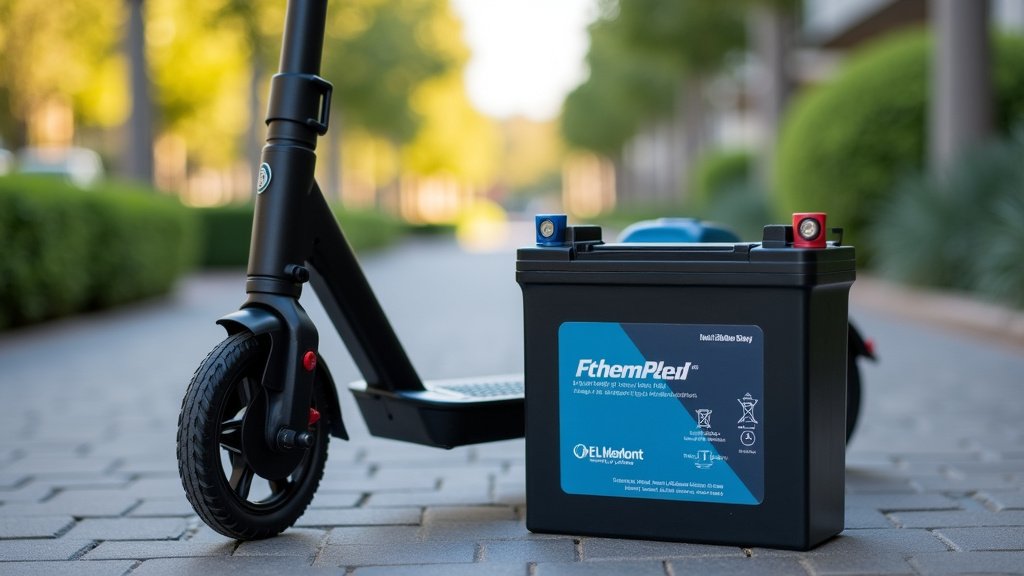
Maintenance needs differ between these battery types. SLA batteries, while often called “sealed,” can sometimes require checks. You might need to ensure they are not overcharged. Overcharging can damage them. Some older types might even need distilled water added. Lithium batteries, on the other hand, are almost maintenance-free. They usually have built-in battery management systems (BMS). This system protects the battery from overcharging, over-discharging, and other issues. You can generally just plug them in and forget about them.
Making the Right Choice for Your Scooter
So, which battery type is right for you? It really depends on your priorities and how you use your scooter.
When SLA Might Still Be an Option
If you have an older scooter model that originally came with an SLA battery, and you’re not looking to upgrade, sticking with SLA might be the simplest option. If your budget is extremely limited for the initial purchase, SLA is usually the cheaper route. Just be prepared for the heavier weight and shorter lifespan.
Why Lithium is Often the Preferred Choice Today
For most riders, especially those with newer scooters or those looking to upgrade, Lithium batteries are the clear winner. The benefits of lighter weight, longer lifespan, consistent performance, and faster charging are substantial. They make your scooter more practical and enjoyable to use. While the initial investment is higher, the overall experience and long-term value are usually well worth it. Research indicates that the trend in personal electric vehicles is strongly towards Lithium technologies due to these advantages (National Renewable Energy Laboratory).
Quick Checklist: Battery Basics to Remember
- Weight: Lithium is lighter, SLA is heavy.
- Lifespan: Lithium lasts much longer.
- Performance: Lithium offers more consistent power.
- Charging: Lithium charges faster.
- Cost: SLA is cheaper upfront, Lithium can be cheaper long-term.
- Maintenance: Lithium requires almost none.
Conclusion
You’ve learned that SLA and Lithium batteries offer distinctly different experiences for your electric scooter. SLA batteries are a budget-friendly, older technology. They are heavier and don’t last as long. Lithium batteries, while costing more upfront, provide a lighter ride, longer lifespan, and more consistent power. For most riders looking for improved performance and long-term value, the upgrade to Lithium is often the smarter choice. Next, consider your scooter’s needs and your riding habits to decide which battery best fits your lifestyle.
Frequently Asked Questions
Can I replace an SLA battery with a Lithium battery in my scooter?
Yes, you can often replace an SLA battery with a Lithium battery. You’ll need to ensure the new Lithium battery has the correct voltage and physical dimensions. It’s also wise to check if your scooter’s existing charger is compatible or if you’ll need a new one designed for Lithium batteries.
How do I know if my scooter has an SLA or Lithium battery?
Most newer electric scooters come with Lithium batteries as standard. If your scooter is older or was a budget model, it likely has an SLA battery. Checking your scooter’s manual or the battery label itself is the surest way to confirm the battery type.
Is a Lithium battery worth the extra cost for a cheap scooter?
For many, yes. While the upfront cost is higher, a Lithium battery will likely outlast several SLA replacements. This means you could save money in the long run. You’ll also enjoy a lighter scooter and a better riding experience.
What happens if I overcharge a Lithium scooter battery?
Good quality Lithium batteries have a built-in Battery Management System (BMS). This system is designed to prevent overcharging. So, even if you leave it plugged in, the BMS should stop the charge at the optimal level for battery health.
Which battery type is better for colder weather riding?
Lithium batteries can be affected by very cold temperatures, which may temporarily reduce their performance and charging speed. SLA batteries can also lose some capacity in the cold. For optimal performance in cold weather, it’s best to store your scooter and battery indoors when not in use.