
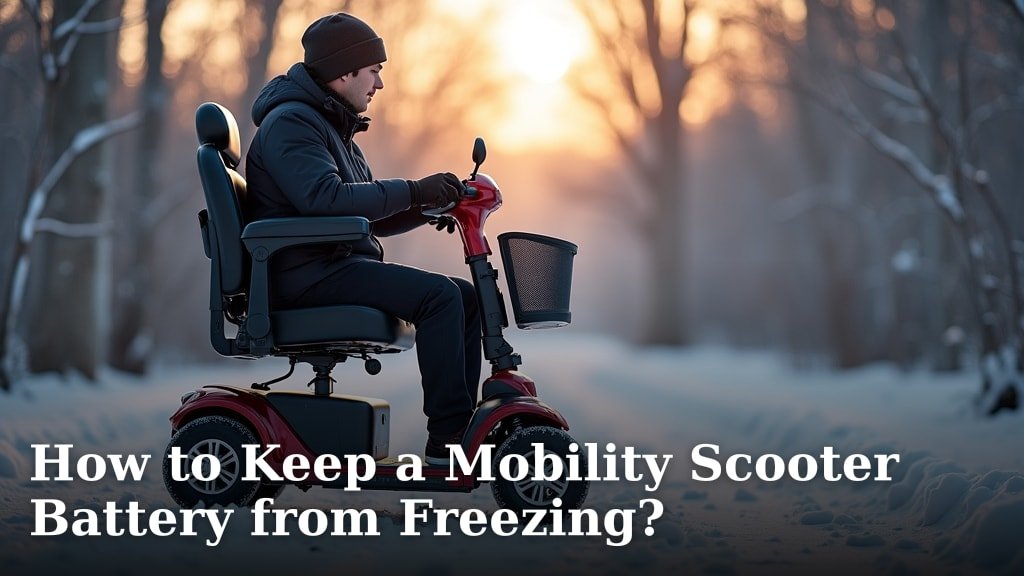
To keep your mobility scooter battery from freezing, the best approach is to store it indoors when temperatures drop below freezing. You should also ensure the battery is fully charged before storing it in a cold environment. This simple step significantly protects its internal components from cold damage and ensures it’s ready when you need it.
Cold weather can seriously impact your mobility scooter’s battery life and performance. Freezing temperatures can cause the electrolyte solution inside the battery to freeze, leading to irreversible damage. Protecting your battery means protecting your independence and ability to get around, which is why understanding these cold-weather needs is so important.
- Store batteries indoors when freezing temps are expected.
- Always ensure the battery is fully charged before storage.
- Avoid leaving batteries in extremely cold vehicles.
- Consider battery insulation if indoor storage isn’t possible.
Let’s walk through the best ways to ensure your mobility scooter battery stays happy and healthy, even when the weather isn’t. We’ll cover easy tips and smart strategies. When choosing a scooter, consider its battery range, especially in relation to cold weather performance.
Protecting Your Mobility Scooter Battery in the Cold
Keeping your mobility scooter’s battery safe during cold weather is really important. You want to make sure it’s ready to go whenever you are. Cold temperatures can affect how well your battery works, and in extreme cases, can even cause lasting damage.
The good news is, protecting your battery doesn’t have to be complicated. With a few simple steps, you can significantly reduce the risk of cold-related problems. We’ve gathered the best advice to help you maintain your battery’s performance all year round. Let’s get started on keeping your scooter powered up.
Understanding Battery Health in Freezing Temperatures
Have you ever noticed your car battery acting sluggish on a really cold morning? The same principle applies to your mobility scooter battery. Batteries don’t perform their best when they’re freezing. It’s like asking someone to run a marathon in a snowstorm – not ideal!
How Cold Affects Battery Chemistry
Mobility scooter batteries, especially lead-acid types, contain an electrolyte solution. This solution is crucial for the chemical reactions that store and release energy. When temperatures drop below freezing, this electrolyte can start to freeze.
Research shows that when the electrolyte freezes, it can expand. This expansion can physically damage the internal plates and casing of the battery. Think of it like a water pipe bursting in the winter. It’s **irreversible damage** that can quickly render your battery useless. Many battery manufacturers list freezing as a condition that voids warranties, so prevention is key.
Impact on Performance and Lifespan
Even if the electrolyte doesn’t completely freeze, very cold temperatures can slow down the chemical reactions inside the battery. This means your scooter might not have the same power or range it usually does. You might find yourself running out of charge sooner than expected. Over time, repeated exposure to extreme cold can also shorten the overall lifespan of your battery.
Best Practices for Storing Your Mobility Scooter Battery
The absolute best way to protect your battery is to avoid extreme cold altogether. This means bringing it inside or storing it in a temperature-controlled environment.
Prioritizing Indoor Storage
When the forecast calls for freezing temperatures, make bringing your scooter or at least its battery indoors a top priority. A garage, basement, or even a spare room in your house is much better than leaving it outside or in a cold shed. Many experts strongly recommend this approach for all types of rechargeable batteries.
Even an unheated garage can be significantly warmer than outdoor temperatures. If your garage is attached to your house, it usually stays warmer than a detached one. This **simple act of bringing it inside** is the most effective way to prevent freezing.
The Importance of a Full Charge
Before you store your battery, especially for any extended period in the cold, make sure it’s fully charged. A fully charged battery has a higher electrolyte specific gravity. This makes it less susceptible to freezing. Think of it like adding antifreeze to your car’s radiator – it raises the freezing point.
We found that a battery that’s partially discharged has more water content in its electrolyte. This water content has a much lower freezing point. Keeping it charged is like giving it a protective shield. Always plug in your scooter and let it reach a full charge before thinking about storing it in cooler conditions.
What About Keeping it in Your Vehicle?
Leaving a mobility scooter battery in a car, truck, or van during freezing weather is generally a bad idea. Vehicle cabins can get very cold, especially overnight. If the temperature inside the vehicle drops below freezing, your battery is at risk, just as if it were left outside.
If you transport your scooter in a vehicle, try to remove the battery if possible and bring it into a warmer environment at your destination. If you can’t remove it, avoid leaving the scooter in the vehicle for extended periods when it’s freezing outside. This can lead to **reduced battery performance** and potential damage.
Can Battery Insulation Help?
If indoor storage isn’t always an option, you might be wondering if there are ways to insulate the battery to protect it from the cold.
Types of Battery Insulation
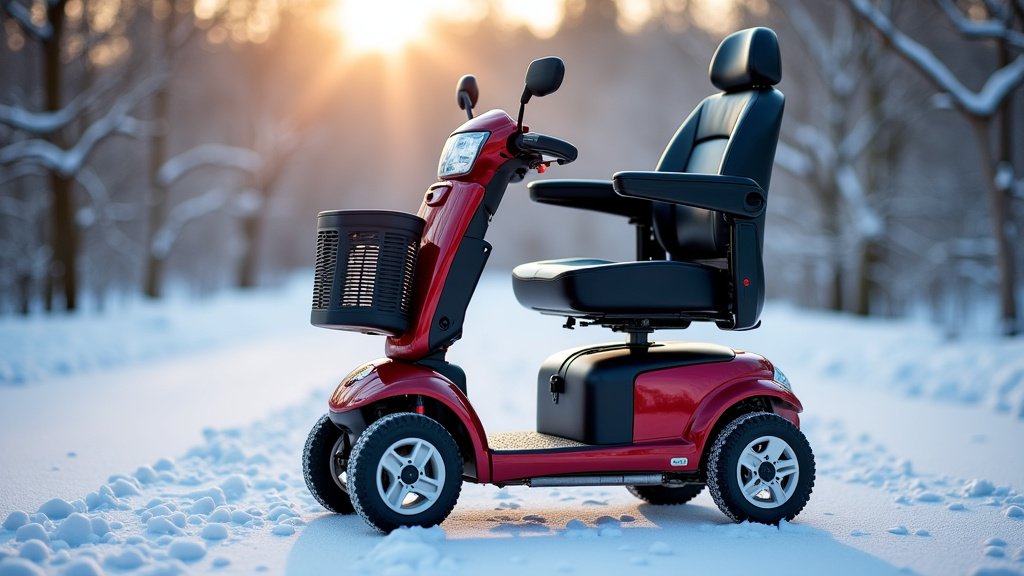
You can find specialized battery blankets or covers designed to offer some protection. These are often made of insulated materials that can help slow down the rate at which the battery cools down. They are not a foolproof solution against deep freezing but can offer a buffer.
Some people create their own insulation using materials like foam padding or old blankets. If you go this route, ensure the insulation doesn’t block any necessary ventilation for the battery. Overheating can also be a problem, so proper airflow is important. We’ve found that insulation is best used as a **secondary layer of protection** when you can’t achieve ideal storage conditions.
Limitations of Insulation
It’s crucial to understand that insulation only slows down temperature changes. It won’t keep a battery from freezing if the ambient temperature is extremely low for a prolonged period. If it gets truly frigid, the insulation might only delay the inevitable. For severe cold snaps, indoor storage remains the most reliable method.
Monitoring and Maintenance in Winter
Even with the best storage practices, it’s wise to keep an eye on your battery during colder months.
Regular Charging is Key
Don’t let your battery sit around discharged during winter. Even if you’re not using your scooter much, a quick top-up charge every few weeks is a good idea. This helps maintain the charge level and prevents the electrolyte from becoming too diluted, which increases its freezing risk.
Checking for Signs of Damage
When you do use your scooter, pay attention to how the battery is performing. Are you getting the usual range? Does it seem weaker? If you notice any strange smells, swelling of the battery case, or leaks, stop using it immediately and have it inspected. These could be signs of **cold-induced damage** or other battery issues.
Battery Charging Safety in Cold Weather
Charging a battery in cold temperatures also requires some care. While charging, a battery generates some heat, which is actually beneficial in cold weather. However, there are still precautions to take.
Avoid Charging a Frozen Battery
This is a big one! Never attempt to charge a battery that you suspect is frozen. Charging a frozen battery can cause rapid expansion and potentially lead to an explosion. Always allow a severely cold battery to warm up to at least 50°F (10°C) before plugging in the charger. Many battery guidelines stress this safety point.
Charging Location Matters
If possible, charge your battery in a warmer environment. Bringing the scooter indoors to charge is the ideal scenario. If you must charge it in a cooler space, like an attached garage, ensure the charger itself is rated for the temperatures you expect. Some chargers may not function properly in extreme cold. Charging your battery in a warmer environment is ideal to prevent issues related to cold temperatures.
Battery Types and Cold Sensitivity
While this advice generally applies to most common mobility scooter batteries, primarily lead-acid types, there can be some variations.
Lead-Acid Batteries
These are the most common and are generally the most susceptible to freezing. As mentioned, keeping them charged and warm is paramount. If your scooter uses standard flooded lead-acid or sealed gel/AGM batteries, follow the indoor storage and full charge advice diligently.
Lithium-Ion Batteries (Less Common for Scooters, but Possible)
Lithium-ion batteries are becoming more popular in various devices. While they tend to handle cold better than lead-acid batteries, they still have operating temperature limits. Charging lithium-ion batteries below freezing can damage them. Many lithium-ion battery management systems (BMS) will prevent charging in freezing temperatures. Still, storing them in extreme cold for long periods isn’t ideal for their overall health.
No matter what type of battery your mobility scooter uses, understanding its limitations in cold weather is crucial for its longevity and your independence. Here’s a quick checklist to keep handy:
- Store indoors: Always bring your battery inside when temperatures drop near or below freezing.
- Charge fully: Ensure the battery is 100% charged before storing or when temperatures are cold.
- Avoid cold vehicles: Don’t leave batteries in cars or trucks during freezing weather.
- Warm before charging: Never charge a battery that might be frozen. Let it warm up first.
- Monitor performance: Pay attention to how your scooter runs in the cold.
- Inspect regularly: Look for any signs of damage, especially after exposure to cold.
Conclusion
Keeping your mobility scooter battery safe in cold weather is simpler than you might think. By prioritizing indoor storage and ensuring your battery is always fully charged before any cold snaps, you’re giving it the best protection. Remember that extreme cold can cause permanent damage, so avoid leaving your battery in unheated vehicles or sheds. Even simple insulation can help, but it’s not a substitute for bringing it inside. Following these steps will help you maintain your scooter’s reliability and keep you moving freely, no matter the season. Your next step is to check your local forecast and make a plan for storing your battery if freezing temperatures are expected!
Frequently Asked Questions
What happens if my mobility scooter battery freezes?
If your mobility scooter battery freezes, the electrolyte inside can expand, causing irreversible damage to the internal components and casing. This damage can permanently reduce its ability to hold a charge and power your scooter. It’s often considered damage that voids most manufacturer warranties.
Can I charge my mobility scooter battery in freezing temperatures?
You should never attempt to charge a battery that is suspected to be frozen. Charging a frozen battery can lead to dangerous expansion and even explosions. Always allow a severely cold battery to warm up to at least 50°F (10°C) before connecting your charger.
How often should I charge my mobility scooter battery in winter?
Even if you aren’t using your mobility scooter much during winter, it’s a good practice to give the battery a top-up charge every few weeks. This regular charging helps maintain its power level and prevents the electrolyte from becoming too diluted, which increases its risk of freezing.
Is it okay to leave my mobility scooter battery in a cold car or truck?
No, leaving your mobility scooter battery in a vehicle during freezing weather is not recommended. The interior of a car or truck can get just as cold as the outside, putting your battery at risk of freezing and potential damage. If you must transport your scooter, try to bring the battery inside a warm location at your destination.
What’s the difference in cold weather performance between lead-acid and lithium-ion scooter batteries?
Lead-acid batteries are generally more susceptible to freezing and damage from cold temperatures. Lithium-ion batteries tend to handle cold better, but charging them below freezing can still cause damage. For both types, avoiding extreme cold storage and the risk of charging a frozen battery remains important.
