Can You Use a Mobility Scooter in Snow?
On this page (5 sections)
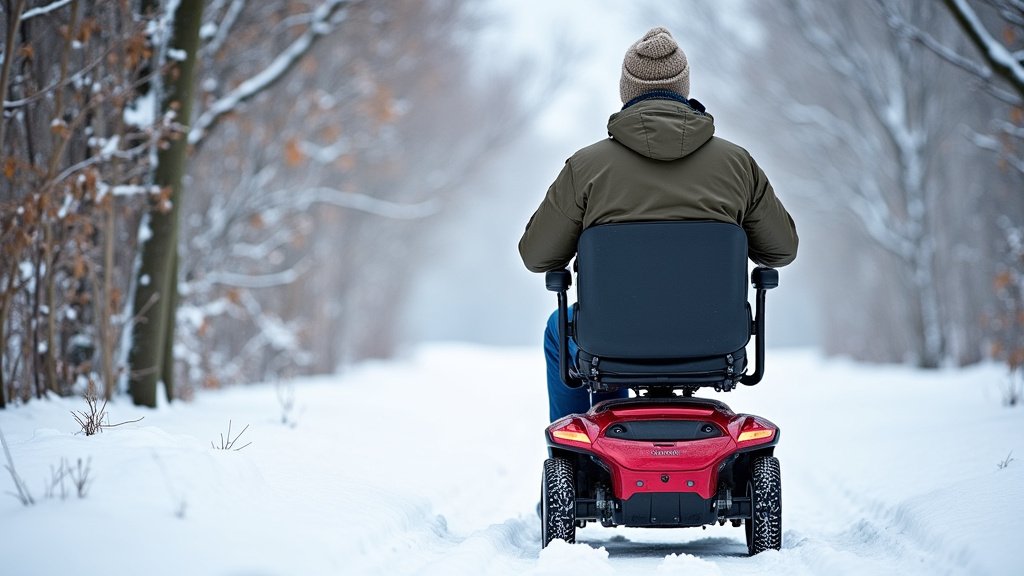
No, you generally cannot use a mobility scooter in snow without significant risks and potential damage. While some heavy-duty models might handle a very light dusting, most scooters are not designed for snowy conditions. You’ll likely face traction issues and risk getting stuck.
Operating your scooter in snow can lead to loss of control and even harm. The electronic components are also very susceptible to moisture. We found that cold temperatures can also reduce battery life, leaving you stranded.
- Most mobility scooters are unsuitable for snow.
- Snow creates traction problems and risks getting stuck.
- Moisture can damage the scooter’s electronics.
- Cold weather shortens battery range.
- Using a scooter in snow can void your warranty.
Let’s look at why snow and mobility scooters don’t mix and what you can do to stay safe during winter.
Navigating Winter Weather in Your Mobility Scooter
Generally, you should avoid using your mobility scooter in snowy conditions. Most models are not built for harsh winter elements. It’s simply too risky for both you and your equipment.
Think of your scooter like a fair-weather friend. It’s great for clear days but struggles when things get messy. We found that pushing its limits in snow can lead to safety hazards and expensive repairs.
Why Snow and Scooters Don’t Mix
There are several key reasons why snow creates a big problem for most mobility scooters. Understanding these can help you avoid sticky situations. It’s about more than just getting around; it’s about staying safe and keeping your scooter running.
Traction Troubles and Getting Stuck
Snow is notoriously slippery. Most mobility scooters have small, smooth tires designed for flat, dry surfaces. These tires lack the deep treads needed to grip snow or ice. What happens when your tires can’t grip?
- Loss of control: Your scooter can slide, spin, or veer unexpectedly.
- Getting stuck: Even a few inches of snow can high-center your scooter, leaving you stranded.
- Steering difficulty: Trying to steer through slush or packed snow becomes a real chore.
Imagine trying to drive a bicycle through thick mud – similar principle! We found that even a thin layer of ice underneath snow makes traction virtually impossible.
Electronics and Moisture Damage
Your mobility scooter is packed with sensitive electronics. The motor, battery, and control panel all contain circuitry that doesn’t like water. Snow, when it melts, is just water.
When snow gets into these sensitive areas, it can cause short circuits. This can lead to your scooter shutting down suddenly. Worse, it could cause permanent damage to vital components.
- Corrosion: Moisture can rust metal parts and connections over time.
- Malfunctions: Electrical systems might behave erratically or stop working completely.
- Expensive repairs: Repairing water-damaged electronics is often costly, sometimes more than the scooter is worth.
We found that many manufacturers explicitly state that using scooters in wet conditions, like snow, will void your warranty. That’s a good indicator of how much damage moisture can do!
Battery Performance in Cold Weather
Cold temperatures are tough on batteries, and your scooter’s battery is no exception. We found that cold weather drastically reduces battery efficiency and range. It’s a common issue with most battery-powered devices (Battery University). To ensure your scooter is always ready, learn how to test a mobility scooter battery regularly.
What does this mean for you? Your scooter might run out of power much faster than usual in the cold. A trip you normally make with ease could leave you stranded unexpectedly. Nobody wants to be stuck out in the cold with a dead scooter!
Assessing Your Scooter’s Snow Readiness (Spoiler: Not Really)
While most scooters aren’t made for snow, there are some differences between models. Understanding these might help you understand your scooter’s limitations better. But really, it’s about accepting that snow is usually a no-go.
Standard vs. Heavy-Duty Scooters
Most mobility scooters you see are standard models. These are light, nimble, and great for indoor use or paved paths. Then you have heavy-duty scooters. These often have larger wheels, more powerful motors, and better ground clearance. Our guide can help you choose the right mobility scooter for your specific needs and environment.
So, does a heavy-duty scooter mean you can tackle a blizzard? Not quite. They might handle a very light dusting of dry, powdery snow a little better than standard models. But even then, it’s a big risk. They are still not designed for significant snow accumulation or icy conditions.
Here’s a quick comparison:
| Feature | Standard Mobility Scooter | Heavy-Duty Mobility Scooter |
|---|---|---|
| Tire Size/Tread | Small, smooth, minimal tread | Larger, slightly more tread |
| Ground Clearance | Low (2-4 inches) | Moderate (3-5 inches) |
| Motor Power | Designed for flat, maintained surfaces | More powerful, better for slight inclines |
| Weather Resistance | Minimal; very susceptible to moisture | Slightly better; still not weatherproof |
| Snow Capability | Virtually none; high risk | Very limited; only dry, light dusting; still high risk |
Check Your Scooter’s Manual
When in doubt, always consult your mobility scooter’s user manual. This little booklet is a treasure trove of information specific to your model. It will outline recommended operating conditions, including temperature ranges and moisture warnings.
We found that almost all manuals strongly advise against operating the scooter in rain, snow, or through puddles. Following these guidelines isn’t just about preserving your warranty; it’s about preserving your safety and the life of your scooter.
Winter Safety: Alternatives and Precautions
So, if your mobility scooter is taking a snow day, what are your options? Being prepared for winter weather is important for everyone, especially if you rely on mobility assistance.
When to Just Stay Indoors
Sometimes, the safest and smartest choice is to simply stay inside. If the weather forecast calls for snow, ice, or freezing rain, consider rescheduling non-essential outings. Your well-being is the top priority. Can that errand wait? Is there another way to get what you need?
Having a plan for essential needs during winter storms is crucial. Think about groceries, medications, and any appointments that can’t be missed. Planning ahead can save you a lot of stress and potential danger.
Alternative Transportation Options
When your scooter can’t go, other options might be available:
- Accessible Taxis/Ride-Shares: Many services offer wheelchair-accessible vehicles. Book ahead if you can.
- Public Transportation: Check if your local buses or trains have accessible routes that are cleared of snow.
- Community Services: Some local community centers or senior services offer transportation assistance during bad weather.
- Friends and Family: Don’t hesitate to ask for help from your support network. Most people are happy to lend a hand.
You might even consider a manual wheelchair for short distances if paths are cleared and someone can assist you. This is only for very specific, very safe situations.
Prepping for Inclement Weather
If you absolutely must venture out in questionable conditions (and your scooter isn’t completely out of commission from snow), take every precaution. Here’s a checklist to consider, though we still strongly advise against snow use:
- Check Weather Reports: Always know what to expect before leaving.
- Dress Warmly: Layer up to protect against the cold.
- Charge Battery Fully: Even if it drains faster, start with a full charge.
- Visibility Gear: Wear bright colors or reflective tape if you must be out.
- Have a Backup Plan: Know who to call if you get stuck or run into trouble.
- Inspect Paths: Clear any snow or ice from your immediate path before moving.
Remember, these are minor precautions for very light, dry conditions – not a green light for using your scooter in anything more. We found that even with precautions, risk remains high (National Safety Council).
Conclusion
While your mobility scooter offers wonderful independence, it’s generally not built for snowy conditions. Trying to navigate snow can lead to traction loss, electrical damage, and reduced battery life. These risks can be costly and, more importantly, dangerous for you.
Prioritizing your safety and the longevity of your scooter is key. Consider using accessible transportation alternatives or simply staying warm indoors when winter weather hits. Always consult your scooter’s manual for specific limitations. By making smart choices, you can stay safe and ensure your mobility remains uncompromised when the weather clears.
Frequently Asked Questions
Can a mobility scooter go on wet pavement or through puddles?
No, you should generally avoid wet pavement and puddles. Water can cause significant damage to the scooter’s electronic components and battery. We found that most manufacturers advise against using scooters in wet conditions to prevent malfunction and preserve your warranty.
Are there any mobility scooters designed for off-road or rough terrain, including light snow?
Some heavy-duty or all-terrain mobility scooters have features like larger wheels and more powerful motors. While these might handle very light, dry snow slightly better than standard models, they are still not truly designed for snowy or icy conditions. They offer improved capability on uneven ground, not winter weather.
How can I protect my mobility scooter if it accidentally gets wet in the snow?
If your scooter gets wet, immediately turn it off and bring it indoors to a dry, warm place. Allow it to thoroughly air dry for at least 24-48 hours before attempting to turn it back on or charge it. If issues persist, contact a qualified technician, as water damage often requires professional repair.
What is the biggest risk of using a mobility scooter in snow?
The biggest risks are losing traction, which can lead to falls or getting stuck, and electrical damage from melting snow. Both can result in serious injury or costly repairs. Cold also significantly reduces battery performance, leaving you stranded.
Will using my mobility scooter in snow void its warranty?
Yes, in most cases, using your mobility scooter in snow, rain, or other wet conditions can void its warranty. Manufacturers typically include explicit warnings against such use because of the high risk of damage to sensitive electronic components. Always check your specific user manual.