Can You Use a Mobility Scooter on Grass?
On this page (3 sections)
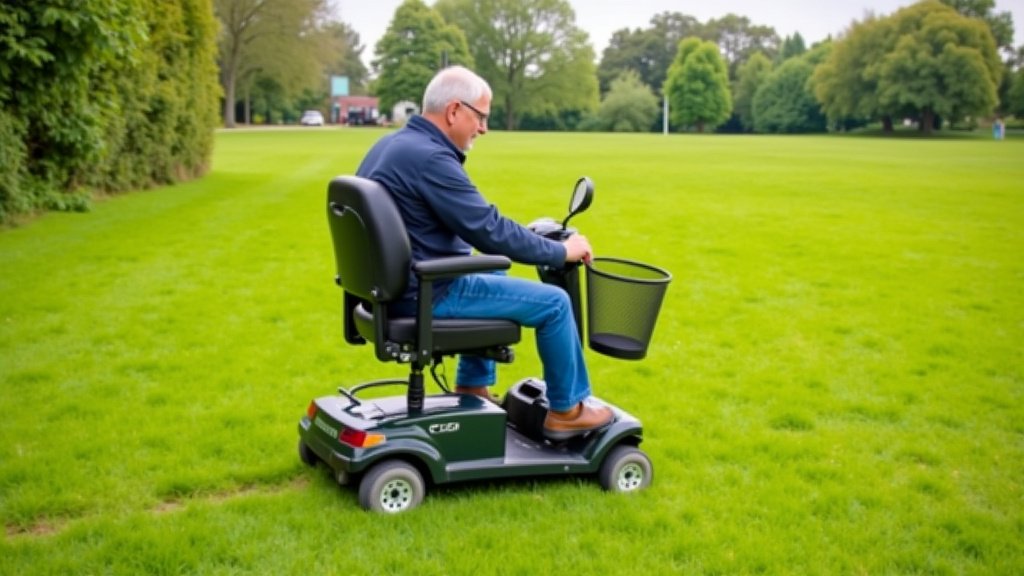
Yes, you can use a mobility scooter on grass, but it depends heavily on the scooter type and the condition of the terrain. Not all scooters are built for off-pavement adventures, so careful consideration is key.
Most standard mobility scooters are designed for flat, paved surfaces like sidewalks and store aisles. Taking them onto soft grass, uneven ground, or slopes can be challenging and even risky. We’ve found that only specific models with enhanced features handle grassy areas well.
- Not all scooters are grass-friendly.
- Terrain and scooter type matter a lot.
- Rough ground can be risky.
- Look for specific features for off-pavement use.
Let’s walk through everything you need to know about navigating your mobility scooter on different types of grassy terrain and what to look for when choosing a model.
Navigating Grassy Terrain with Your Mobility Scooter
So, you’re wondering if your mobility scooter can handle a grassy field. The simple answer is yes, some can. But it’s not always a smooth ride, and there are important things to consider first.
Think of it like driving a car. You wouldn’t take a sports car off-roading, right? Mobility scooters are similar. Their design dictates what kind of surfaces they can safely manage.
Understanding Scooter Classes and Their Capabilities
Mobility scooters come in different categories. Each is built with specific uses in mind. Knowing your scooter’s class is the first step in understanding its grass-handling ability.
Class 1: Portable/Travel Scooters
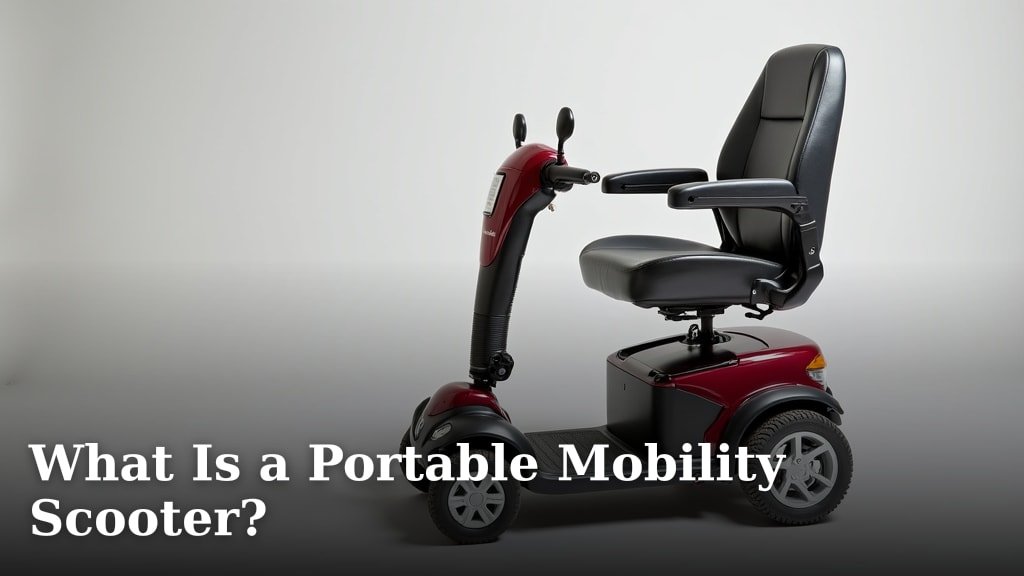
These are the smallest scooters. They’re designed for easy transport and indoor use. They often disassemble quickly. Their wheels are small, and their motors are less powerful.
Can they handle grass? Generally, no. Their small wheels will sink into soft ground. You’ll get stuck, or the motor might strain. These are best kept on paved, flat surfaces.
Class 2: Mid-Size Scooters
Mid-size scooters are a step up. They offer more comfort and a bit more power. You might use these for shopping trips or short outings around your neighborhood.
On grass, these are a maybe. Very short, dry, flat grass might be okay. But anything wet, uneven, or sloped will be a challenge. We’ve seen many get bogged down in damp lawns.
Class 3: Heavy-Duty/Outdoor Scooters
Now we’re talking about scooters built for more adventure! These are larger, more robust machines. They have bigger wheels, stronger motors, and better suspension.
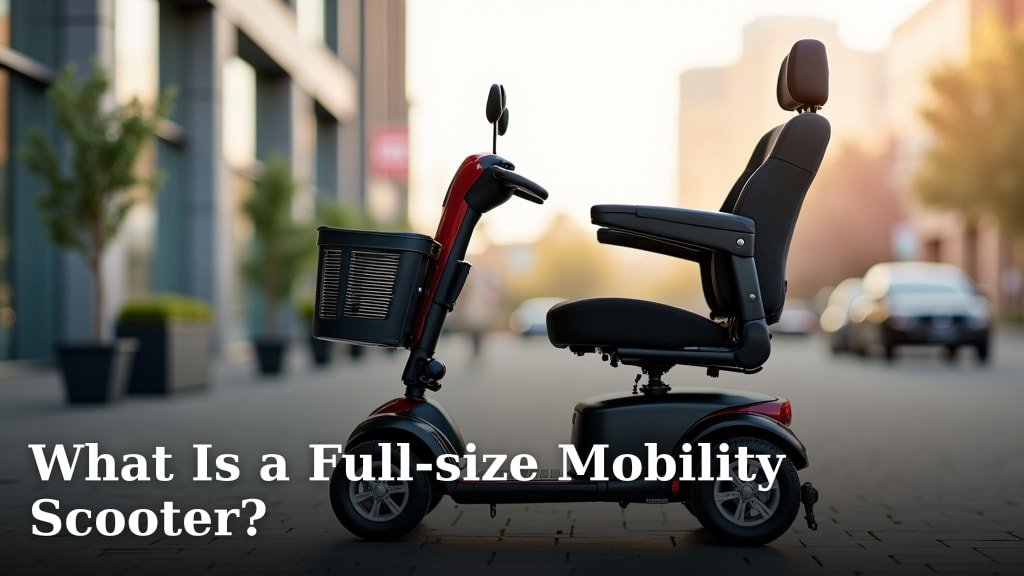
These scooters are your best bet for grass. They often have higher ground clearance. They can tackle lawns, parks, and even some light off-road paths with greater ease. They’re built for outdoor stability.
Key Features That Enhance Grass Performance
Not all scooters within a class are equal. Certain features make a big difference when encountering grassy areas. Look for these if off-pavement travel is important to you.
Wheel Size and Type
Larger wheels are better for grass. They distribute weight more evenly. This stops the scooter from sinking. Pneumatic tires (air-filled) also offer better traction and a smoother ride than solid tires.
Think of a bicycle. A road bike’s thin tires struggle on a dirt path. A mountain bike’s fatter, knobbier tires handle it easily. It’s the same principle for scooters.
Ground Clearance
Ground clearance is the distance between the lowest part of your scooter and the ground. More clearance means less chance of getting stuck on uneven turf or small bumps.
If your scooter drags its belly on a slight rise, it’s not suitable for grass. We found that scooters with at least 3-4 inches of clearance perform much better on lawns.
Motor Power and Battery Life
Pushing through grass takes more energy than rolling on pavement. A more powerful motor (higher wattage) is essential. It prevents the motor from overheating or struggling.
Going off-road also drains your battery faster. A larger battery capacity gives you more range and peace of mind when exploring grassy parks. You don’t want to run out of juice far from home.
Suspension System
Grass is rarely perfectly smooth. A good suspension system absorbs shocks and bumps. This makes your ride more comfortable and safer. It also protects the scooter’s internal components from jarring.
Some heavy-duty scooters have full suspension on all four wheels. This dramatically improves stability and ride quality on uneven ground. It’s like having shock absorbers on your car.
Weight Capacity
Always check the scooter’s weight capacity. If you’re near the maximum limit, the scooter will struggle more on grass. It puts extra strain on the motor and tires.
Being well within the weight limit improves performance and extends the life of your scooter, especially when tackling challenging surfaces.
Different Types of Grassy Terrain and Their Challenges
Not all grass is created equal. What works on a dry, flat lawn might be a disaster on a muddy slope. Let’s look at the variations.
Dry, Flat Lawn
This is the easiest type of grass for a scooter. If you have a mid-size or heavy-duty scooter with decent wheels, you’ll likely do fine. Just ensure there are no hidden dips or sprinkler heads.
Wet or Muddy Grass
This is where things get tricky. Wet grass offers very little traction. Your wheels can slip, and you might lose control. Muddy areas can cause your wheels to sink deep, making you stuck.
We strongly advise against taking most scooters into wet or muddy conditions. It’s not just about getting stuck; it’s about safety and potential damage to your scooter’s electronics.
Uneven or Hilly Terrain
Slopes and bumpy ground require scooters with good power, large wheels, and excellent stability. Small scooters can easily tip or get stuck when trying to climb even a slight incline.
Many heavy-duty scooters are designed with stability features for hills. Always check your scooter’s maximum incline rating before attempting a slope. Safety is paramount here.
Tall Grass or Weeds
Tall vegetation can get tangled in your wheels or undercarriage. This can damage the motor or even stop the scooter completely. It’s best to avoid areas with thick, high grass.
Safety Precautions When Using a Scooter on Grass
Even with the right scooter, caution is always necessary. We want you to be safe and confident.
- Scout the area first: Look for hidden holes, roots, or rocks.
- Go slow: Reduce your speed considerably when on uneven ground.
- Avoid steep slopes: Never attempt inclines that feel too steep or exceed your scooter’s rating.
- Check weather conditions: Avoid grass after rain or during heavy dew.
- Maintain your scooter: Ensure tires are properly inflated and the battery is fully charged.
Comparing Scooter Types for Grass Use
Here’s a quick comparison to help you visualize which scooters are best suited for grassy adventures.
| Scooter Type | Wheel Size (Avg.) | Ground Clearance (Avg.) | Motor Power (Avg.) | Grass Capability |
|---|---|---|---|---|
| Portable/Travel | 5-7 inches | 1-2 inches | 250-350W | Poor (avoid) |
| Mid-Size | 8-10 inches | 2-3 inches | 350-500W | Limited (flat, dry, short grass only) |
| Heavy-Duty/Outdoor | 10-14 inches | 3-5 inches+ | 500-1000W+ | Good (moderate terrain) |
This table gives you a general idea. Always refer to your scooter’s specific manual for its exact specifications and capabilities.
What Happens If Your Scooter Isn’t Designed for Grass?
Using an unsuitable scooter on grass can lead to several problems. It’s not just about getting stuck.
- Getting Stuck: The most common issue. Small wheels sink, and you lose traction.
- Battery Drain: The motor works harder, using up battery power much faster.
- Motor Strain/Overheating: Continuous struggle can damage the motor.
- Tipping Hazard: Uneven ground significantly increases the risk of tipping, especially for scooters with low stability.
- Damage to Undercarriage: Rocks or roots can scrape and damage the scooter’s underside.
- Warranty Void: Some manufacturers might void your warranty if damage occurs from using the scooter off-pavement against their guidelines.
It’s always better to be safe than sorry. If you’re unsure, stick to paved surfaces. Your scooter and your safety are worth protecting.
Checklist for Grass-Friendly Scooters
Considering a new scooter or wondering if yours is up to the task? Use this quick checklist:
Large pneumatic tires: For traction and comfort.
High ground clearance: To avoid getting hung up on bumps.
Powerful motor: To handle resistance from grass.
Full suspension: For a smoother, safer ride.
High weight capacity: Ensures optimal performance.
Manufacturer’s explicit approval for outdoor/off-road use: Check the manual!
Conclusion
Choosing to take your mobility scooter on grass requires careful thought. We’ve seen that while many scooters struggle, specific heavy-duty models are up to the task.
Always prioritize your safety and the longevity of your scooter. Assess the terrain, check your scooter’s features, and proceed with caution.
If you plan frequent grassy excursions, consider upgrading to a scooter designed for outdoor stability. This ensures you can enjoy the outdoors confidently and without worry.
Frequently Asked Questions
What kind of maintenance does my scooter need after grass use?
After using your scooter on grass, especially if it was damp or dirty, it’s wise to perform a quick check. Wipe down any mud or debris from the wheels and undercarriage. Also, inspect the tires for any punctures or excessive wear.
Can using my scooter on grass void its warranty?
It’s possible. Many manufacturers specify proper usage conditions in their warranty agreements. If damage occurs from using a scooter on terrain it wasn’t designed for, like deep mud or steep inclines, your warranty might not cover the repairs. Always check your manual.
Are there any accessories that can help my scooter on grass?
While no accessory can turn a travel scooter into an off-road machine, some can help. Consider all-terrain tires if available for your model, which can offer better traction. Some users also find that tire sealants help prevent punctures from thorns or sharp objects.
How can I tell if a grassy area is safe for my scooter?
Before driving onto any grassy patch, take a moment to visually inspect it. Look for hidden obstacles like rocks, tree roots, or deep ruts. Check for wet spots or standing water. If you can, walk a small portion of the path yourself to feel the ground’s firmness and evenness.
What’s the biggest risk of using a lightweight scooter on grass?
The biggest risk for lightweight or portable scooters on grass is getting stuck or tipping over. Their small wheels and low ground clearance make them prone to sinking in soft ground. This can quickly lead to loss of control or an unstable situation, especially on uneven surfaces.