How Much Does a Raised Toilet Seat Cost?
A raised toilet seat can cost less for a basic riser and more for a locking or framed model. The price depends on fit, attachment, and whether you also need a commode.
On this page (8 sections)
- How much does a raised toilet seat cost by type?
- What raises the price of a raised toilet seat?
- Which raised toilet seat is worth the cost for your needs?
- What setup and care should you plan for?
- What extra costs come with a commode?
- How can you compare prices without missing a fit problem?
- What is the least expensive way to raise a toilet seat?
- How much should you budget for a raised toilet seat?
A raised toilet seat cost depends on whether you need simple extra height, a way to attach the seat securely, or a frame with handholds. A basic riser is usually the lower-cost choice, while a framed option adds floor space and support.
Basic risers sit on the toilet bowl. Locking seats attach to the toilet.
Framed models add legs or arm supports. Those designs solve different problems, so compare options that fit the user and bathroom before comparing prices.
How much does a raised toilet seat cost by type?
A basic riser is usually the lowest-cost style, and a framed model typically costs more. Retail prices change, so compare current prices among products with the same design and features.
- Basic riser: Raises the toilet surface and may suit someone who can sit and stand without arm support.
- Locking raised seat: Attaches to the toilet. Check the fastening method and bowl compatibility before buying.
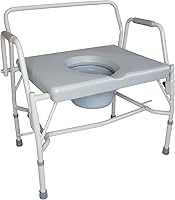
- Framed raised seat: Adds a support frame, often with armrests. It needs room around the toilet and may be a better fit when the user needs handholds.
- Bedside commode: Stands separately for bedside use and can also sit over a toilet as a raised seat and safety frame. It includes more parts than a basic riser.
The seat’s height and fit matter as much as its price. Compare raised toilet seat sizes and heights to narrow down the right height and bowl fit.
What raises the price of a raised toilet seat?
A larger frame, added support, and a specific attachment can raise the cost. Pay for the features the user needs, rather than choosing the cheapest option by default.
A basic riser may work when the main goal is making the toilet easier to reach. If the user needs arm support to lower or lift themselves, a frame with armrests is a more suitable setup, even if it costs more.
Attachment also affects the choice. A bowl-top riser is simple to place.
A locking model may suit someone who prefers a seat that fastens to the toilet. The toilet’s shape and the fastening method must match.
How does seat height affect raised toilet seat cost?
Height alone doesn’t determine the price. Compare the complete design, including its fit, attachment, and support features.
Measure the toilet and consider how high the user can sit comfortably. Too much height can make it harder to place the feet firmly on the floor, while too little may not make standing easier.
Which raised toilet seat is worth the cost for your needs?
Choose a basic riser when extra height is enough; choose a frame when the user also needs arm support. A bedside commode is useful when the person needs a separate toileting option or a frame over the toilet.
The HealthSmart 5 in Raised Toilet Seat Riser adds height to a round bowl and uses slip-resistant pads. It supports up to 300 lb, so it suits users whose toilet is round and whose needs center on elevation rather than handholds.
{{product B08P4WM3B6}} The listing describes a 5 in riser for a round bowl when extra height is the main need.
Skip this riser if the toilet is elongated or the user needs arm support. For a matching bowl shape, see raised toilet seats for elongated toilets.
Confirm the toilet shape and make sure the added height leaves the user able to sit and stand comfortably.
The Drive Medical Folding Bedside Commode has adjustable height, armrests, and fold-up steel legs. It supports users up to 350 lb and can serve as a bedside commode, a raised seat over a toilet, or a bathroom safety frame.
{{product B001HP7AQE}} The listing describes a folding frame with armrests for users who need more support than a bowl-top riser provides.
Choose this setup when armrests or bedside use matter. Skip it if there isn’t enough floor space for the frame or if the user only needs a simple lift on the toilet.
For help choosing between these setups, read raised toilet seat vs commode chair. A commode can serve beside the bed, while a basic riser stays on the toilet bowl.
What setup and care should you plan for?
A riser needs the right bowl fit and secure placement; a frame needs correct assembly and stable positioning. Follow the instructions that come with the chosen model before use.
Before installing a riser, lift the existing toilet seat as directed and place the riser evenly. Check that it does not shift when you apply light pressure, and make sure the lid and seat can move as intended.
For a framed seat or commode, assemble the legs and adjust the height according to the instructions. Place all feet flat on the floor, keep the frame clear of nearby cabinets, and check that armrests are reachable from a seated position.
Clean the seat and frame regularly with suitable household cleaning products. Remove dirt around contact points and pads.
Make sure the parts are dry and secure before the next use. Avoid assuming a cushion, pad, or add-on is compatible unless the instructions say it is.
Follow how to install a raised toilet seat for placement and fit. If you cannot get the seat or frame to sit securely, contact the manufacturer or a qualified professional before use.
What extra costs come with a commode?
A commode can involve ongoing costs for liners and other cleanup supplies. Factor those into your decision if you plan to use its bucket regularly.
The Drive Medical model includes a 7.5-quart bucket for bedside use. Elzrghs Commode Liners come in a 100-count pack and fit standard commode buckets; absorbent pads are not included.
{{product B0CR8GH77C}} The listing describes disposable liners for a bedside commode bucket when you want to simplify cleanup.
These liners are for a commode bucket, not a raised toilet seat. Skip them if you’re buying a riser that stays over the toilet and does not use a bucket.
How can you compare prices without missing a fit problem?
Compare products with the same design, then check fit, height, and support before you buy. A riser and a framed commode do different jobs, so they aren’t direct price substitutes.
Use this checklist:
- Measure the toilet and confirm whether its bowl is round or elongated.
- Decide how much added height the user needs.
- Check whether the user needs arm support or a particular attachment.
- Confirm there is enough floor space for a frame and its legs.
- Review the instructions and return terms before ordering.
A common mistake is to choose by height or price alone. A riser that doesn’t fit the bowl, or a frame that crowds the bathroom, can be the wrong choice even when it costs less.
For a broader view of the room, see the bathroom safety for seniors guide. It covers other changes to consider alongside a toilet seat, such as grab bars, lighting, and clear floor space.
What is the least expensive way to raise a toilet seat?
A basic riser is often the least costly option when the user only needs extra height. It won’t add arm support, so make sure the user can use it safely before buying.
A padded riser or one with a particular attachment may cost more than a basic model. A frame adds support, but it also takes more space and may require assembly.
Don’t choose only by the lowest price. A correct fit, stable placement, and a suitable height matter more than a small cost difference.
How much should you budget for a raised toilet seat?
Start with the user’s needs, then compare current prices within the right design type. Look at basic risers for height, attachment styles for a more secured fit, and framed seats or commodes for arm support or bedside use.
For a basic riser, check bowl shape and added height. For a framed model, include the space it needs and any setup requirements.
If you’ll use a bedside commode bucket, consider the recurring cost of liners and cleanup supplies.
The same budgeting approach helps with larger mobility purchases. See How Much Does a Mobility Scooter Cost? and How Much Does a Mobility Scooter Battery Cost?.
For raised toilet seat cost, use this decision rule: choose a basic riser for height alone, a particular attachment for a fit preference, or a frame when the user needs arm support or bedside use. Then compare prices only among options that fit the toilet, user, and bathroom.
Frequently asked questions
What does a raised toilet seat cost?
Raised toilet seat cost varies by design and retailer. A simple riser is generally the lower-cost option, while locking models and seats with a support frame may cost more.
Compare attachment style, height, fit, and return terms, and check the current price before you buy.
Are locking raised toilet seats worth the extra cost?
A locking seat may be worth the extra cost if you want an attachment that secures to the toilet. Check how it fastens and whether it fits your bowl shape.
If you also need arm support, compare a framed model before deciding.
Does Medicare cover a raised toilet seat?
Coverage depends on the plan and the equipment's classification, so don't assume a raised seat will be covered. Ask your plan or supplier whether your specific model qualifies, what documentation is needed, and whether you must use an approved supplier before buying.
What should I check before buying a raised toilet seat?
Check your toilet's shape, the seat's added height, how it attaches, and the user's needs for balance or arm support. Measure before ordering and consider who will install and clean it.
A seat that doesn't fit securely may not suit your bathroom.